
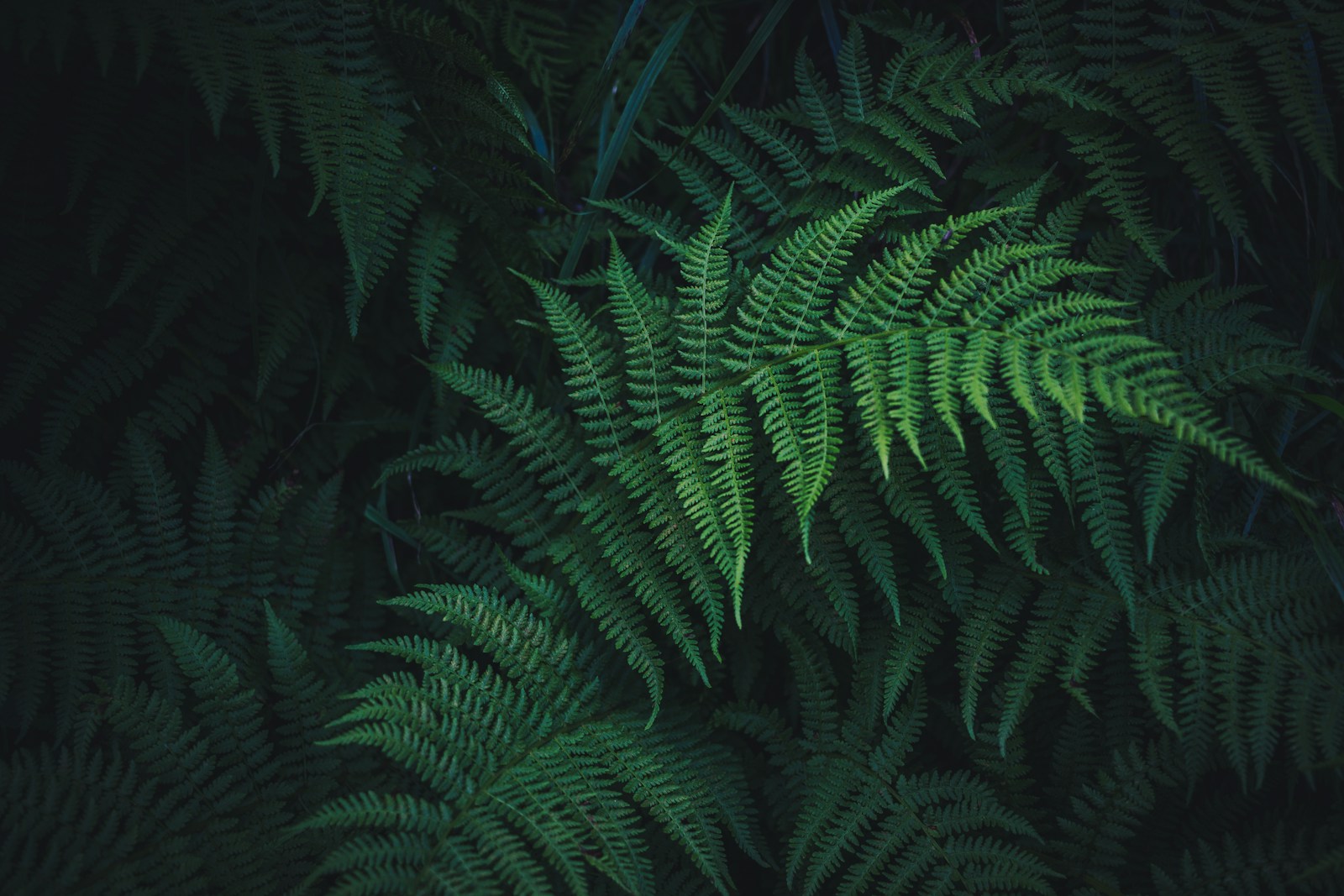
Growing Ferns in Shade: Complete Guide for Shady Gardens
Most shade plants people recommend either need more light than they admit, or they’re hostas (which deer eat), or they’re those boring pachysandra carpets everyone’s grandmother planted. Ferns are different though. They evolved in forests under tree canopies for like 300 million years, so they’re actually built for shade.
But here’s the thing – you can’t just stick any fern anywhere shady and expect it to thrive. I learned that the hard way when I planted a bunch of tropical ferns thinking they’d be fine in my Zone 6 garden. They were not fine.
After a bunch of trial and error (and reading actual research instead of just Pinterest posts), I figured out what actually matters for growing ferns in shade. Here’s what works.
Why Ferns Work So Well in Shade (The Science Part)
Ferns reproduce through spores instead of seeds, which is this ancient system that evolved way before flowering plants existed[1]. They’re part of a plant group called Pteridophyta that’s been around since the Devonian period.
The key thing is their leaves – technically called fronds – are specifically adapted to capture whatever diffuse light makes it through forest canopies. Research shows that indoor light can be order of magnitude lower than outdoor light, even in shade[2]. Ferns handle this because they developed photosynthetic machinery that works efficiently at low light levels.
Most shade-loving ferns want soil pH between 5.5 and 6.5, though there are exceptions[3]. They generally prefer consistently moist (not wet) conditions and rich organic soil. Which makes sense since in nature they grow in forests where leaf litter builds up.
Temperature-wise, most hardy ferns are good in zones 3-9 depending on species. Some can handle brief cold snaps down to the teens, while tropical species start suffering below 45°F[4].
The Ferns That Actually Work (Not Just Look Good in Photos)
I’m gonna focus on species I’ve actually grown or that have solid backing from university extension programs and botanical gardens. Because a lot of fern articles just list everything without telling you which ones are actually reliable.
Japanese Painted Fern (Athyrium niponicum var. pictum)
This is probably the most popular decorative fern and for good reason. The fronds have this silvery-green coloring with dark purple-red midribs that look really striking in low light[5]. Native to eastern Asia, hardy zones 3-8.
Gets about 12-18 inches tall with a similar spread. Slow spreader via short rhizomes, so it won’t take over. The silver coloring is most intense in spring and fades a bit as summer heats up.
What I learned: Needs more moisture than Christmas fern. Don’t let it fully dry out or the fronds get crispy. Also the silver shows up way better against dark backgrounds.
Spacing: 18-24 inches apart
Christmas Fern (Polystichum acrostichoides)
This is the fern I wish I’d started with. Native to eastern North America, evergreen in most climates, zones 3-9[6]. Stays green all winter which is where the name comes from.
Grows in these nice fountain-shaped clumps about 1-2 feet tall. The individual leaflets look like little Christmas stockings. Doesn’t spread aggressively – just slowly gets bigger over time.
Missouri Botanical Garden lists it as tolerating wider soil pH than most ferns (5.6-7.8)[7], which makes it really adaptable. Also handles dry shade better once established.
Spacing: 18-24 inches
Ostrich Fern (Matteuccia struthiopteris)
This is the dramatic one. Can reach 3-6 feet tall in consistently moist conditions[8]. Native across northern regions, zones 2-8.
The fronds are these big feathery plumes that create a vase shape. This fern spreads via underground rhizomes and can be aggressive – it’s great for naturalizing large areas but not for small refined gardens.
Also this is the fern that produces edible fiddleheads in spring. Though you have to know what you’re doing because some fern fiddleheads are toxic.
Spacing: 24-36 inches minimum (it needs room)
Maidenhair Fern (Adiantum pedatum)
Totally different texture from most ferns. The fronds are palmately divided on these distinctive black stems that fan out[9]. Zones 3-8, native to North American forests.
Gets 1-3 feet tall. The genus name means “unwetted” because water beads up on the leaves. Unlike most ferns, maidenhair actually prefers neutral to alkaline soil and can tolerate drier conditions once established[10].
What’s tricky: Takes longer to establish than other ferns. Don’t panic if it looks sad the first year.
Spacing: 12-18 inches
Autumn Fern (Dryopteris erythrosora)
Native to eastern Asia, zones 5-11[11]. Semi-evergreen depending on how cold your winters get.
The cool thing about autumn fern is the new growth emerges this copper-red to orange color before maturing to glossy dark green. In fall you get these bright red spore structures (sori) on the undersides of fronds.
Research from University of Florida shows it tolerates temperatures from 3°F to 109°F[12], which is a huge range. Gets 18-24 inches tall.
Spacing: 18-24 inches
Lady Fern (Athyrium filix-femina)
This is everywhere globally across northern regions. Zones 4-8, deciduous[13]. Grows 2-3 feet tall in these dense shuttlecock clumps.
The fronds are finely divided with 20-30 pairs of pinnae (leaflets). There’s a cultivar called ‘Lady in Red’ with burgundy-red stems that looks great[14].
Lady fern can handle more sun than most if you keep the soil consistently moist. Clumps benefit from division every few years to maintain vigor.
Spacing: 24 inches
Cinnamon Fern (Osmundastrum cinnamomeum)
Native to eastern North America, zones 4-9[15]. Gets 2-5 feet tall in wet conditions.
This fern has separate fertile and sterile fronds. The fertile ones emerge early spring and quickly turn cinnamon-brown (hence the name). The regular green fronds provide summer interest.
Good for wet areas – pond edges, stream banks, spots where other ferns would rot. The root mass was historically used for potting orchids.
Spacing: 24-36 inches
Royal Fern (Osmunda regalis)
One of the largest native ferns. Can reach 2-6 feet with adequate moisture[16]. Hardy zones 2-9.
The fronds have these broad, well-separated pinnae that look more like pea-family foliage than typical ferns. Brown spore clusters at frond tips create this “flowering fern” effect.
Perfect for bog gardens or consistently wet areas. Won’t thrive in dry shade.
Spacing: 36 inches
Marginal Wood Fern (Dryopteris marginalis)
Evergreen in zones 3-8[17]. Native to rocky shaded ledges in eastern North America, which tells you it’s tougher than most.
Gets 1.5-2 feet tall with grayish-green, deeply cut leathery fronds. The name comes from spore structures positioned at edges of pinnule undersides.
The key advantage – this fern handles drier, rockier conditions way better than moisture-demanding species. Great for difficult sites.
Spacing: 18-24 inches
Sensitive Fern (Onoclea sensibilis)
Zones 2-10, but the name comes from frost sensitivity – fronds collapse at first frost[18]. Despite that it’s remarkably hardy.
Spreads readily via creeping rhizomes in moist to wet conditions. The bead-like fertile fronds persist through winter for dried arrangements.
Where it works: Wet areas, rain gardens, anywhere with consistent moisture.
Spacing: 18-24 inches (but it’ll spread)
Getting the Soil Right (Actually Important)
This is where a lot of people mess up. Ferns are specific about soil even though everyone says they’re “easy.”
The pH Thing
Most ferns want pH 5.5-6.5[19]. But there are exceptions:
- Maidenhair fern and hart’s tongue fern: pH 7.0-8.0 (actually prefer alkaline)
- Boston fern: pH 5.0-5.5 (more acidic)[20]
- Christmas fern: pH 5.6-7.8 (super adaptable)
Get a soil test. Those $10 tests from the hardware store work fine. If you need to adjust:
- Lower pH: Add sulfur or aluminum sulfate
- Raise pH: Add ground limestone
Organic Matter Is Non-Negotiable
University extension research consistently recommends working 2 inches of organic matter into the top 10 inches of soil before planting[21]. Suitable stuff includes:
- Leaf mold (my favorite)
- Compost
- Aged pine bark
- Peat moss
For heavy clay, also add horticultural grit to improve drainage. Ferns like moisture but few tolerate standing water.
Drainage Matters More Than You Think
Prepare planting areas as broad beds rather than individual holes. This prevents water from pooling around roots, which causes Pythium root rot – the most serious fungal problem ferns get[22].
For sites with really poor drainage, raised beds work great.
Companion Plants That Actually Make Sense
The usual advice is “plant ferns with hostas” which is fine but kind of boring. Here’s what works based on actual growing requirements:
Hostas
Yeah I know, obvious. But they work because both want moist shade and neither competes aggressively[23]. The broad leaves contrast nicely with fine fern fronds.
Good pairing: Japanese painted fern with blue hostas
Astilbe
Feathery flower plumes appear when ferns reach full size, adding summer color[24]. Both require consistent moisture. The ferny foliage echoes fern texture while flowers create vertical interest.
Zones: 4-9
Wild Ginger (Asarum canadense)
Creates carpeting groundcover beneath taller ferns. Heart-shaped leaves spread via shallow roots that don’t compete[25]. Hidden ground-level flowers are interesting if you look.
Zones: 2-8
Virginia Bluebells (Mertensia virginica)
This is clever. These spring ephemerals bloom March-May before ferns fully unfurl, then go dormant by July just as fern fronds fill the space[26]. Succession planting that eliminates competition.
Zones: 3-7
Brunnera ‘Jack Frost’
Silver-variegated heart-shaped leaves complement silver-touched ferns. Blue forget-me-not flowers in spring[27].
Zones: 3-8
What doesn’t work: Don’t pair ferns with drought-lovers like lavender or sedums. Opposing moisture requirements guarantee one dies.
Spacing and Design (The Layout Part)
Proper spacing prevents overcrowding and disease while creating visual impact.
By Size Category
- Small ferns (under 18″): 18-24 inches apart
- Medium ferns (1-3′): 24 inches apart
- Large ferns (3’+): 24-36 inches minimum
The Three-Layer Approach
This creates professional results:
Back layer: Tall ferns (ostrich, cinnamon, royal) at 3-5+ feet
Middle layer: Medium ferns (lady, autumn, Christmas) at 1-3 feet
Front layer: Low growers (Japanese painted, maidenhair) under 18 inches
Texture Is Everything
Pair fine-textured ferns (maidenhair, lady) with bold-leaved companions (hostas, ligularia). Place coarse-textured hart’s tongue against delicate flowers.
Stagger green shades – light, medium, dark – to create depth.
Actually Caring for Them (The Maintenance Reality)
Watering
Aim for 1 inch per week during growing season, increasing to 1.5+ inches in summer heat[28]. Water deeply at soil level, preferably in morning.
Tree canopies block rainfall. Don’t assume your ferns are getting rain just because it rained. Check soil moisture.
Fertilizing (Less Than You Think)
Ferns are sensitive to over-feeding. Apply balanced slow-release fertilizer (10-10-10 or 14-14-14) once in spring at half package rate[29].
Iowa State research recommends 1 pound of 10-10-10 per 100 square feet for established perennial ferns[30].
Organic options like fish emulsion and seaweed fertilizers work particularly well because they lack the salts in synthetic products.
Stop fertilizing by late summer. Most ferns go semi-dormant in winter and can’t process nutrients.
Mulching
Apply 2-3 inches of organic mulch (leaf mold, pine straw, chopped bark) to moderate soil temperature and retain moisture[31].
In spring, pull mulch away from emerging fiddleheads. Fall mulching protects shallow roots from freeze-thaw damage.
Seasonal Maintenance Schedule
Spring:
- Remove winter mulch
- Clean up dead foliage
- Apply fertilizer after new growth emerges
- Divide overcrowded clumps
Summer:
- Monitor moisture
- Watch for pests
- Maintain humidity
Fall:
- Apply protective mulch
- Bring tropical ferns indoors before temps hit 45°F consistently
- Leave deciduous fern fronds in place to protect crowns
Winter:
- Minimal care for hardy ferns
- Snow and rain provide sufficient moisture
When Things Go Wrong (And They Will)
Pythium Root Rot
Most serious fungal threat. Causes gray/yellowed foliage, stunted growth, brown rotted roots with unpleasant smell[32].
Prevention: Well-drained media, avoid overwatering, use pasteurized potting mix
Treatment: Fungicide drenches work but improving cultural conditions matters more
Overwatering vs. Underwatering
Overwatering symptoms:
- Multiple leaves yellowing simultaneously
- Soft mushy texture with dark marks
- Drooping despite wet soil
- Water pooling on surface
Underwatering symptoms:
- Brown crispy leaf tips
- Rapid frond drying
- Leaf curling
- Pale coloring
The finger test (check moisture 1-2 inches deep) prevents both.
Sunburn
Brown spots or bleaching on upper fronds – distinct from normal die-off affecting oldest fronds near base[33].
Fix: Relocate to shadier position, prune damaged fronds, maintain humidity through misting.
Mealybugs
White cottony masses at leaf joints. Remove with cotton swabs dipped in 70% isopropyl alcohol, or treat with insecticidal soap applied directly[34].
Repeat weekly for 6-8 weeks to break reproductive cycle.
Slugs and Snails
UC IPM actually lists ferns among plants “not attractive to snails and slugs”[35]. When damage occurs, iron phosphate baits provide safe control.
Deer and Rabbits
Generally avoid ferns due to texture – a significant advantage over hostas. Makes ferns excellent companion plants for species needing browse protection.
Common Mistakes People Make
-
Waiting too long to water. “Consistently moist” doesn’t mean “wait until it’s bone dry.” Check soil regularly the first season.
-
Fertilizing too much. Native ferns evolved in lean forest soils. Extra fertilizer causes weak floppy growth and pest problems.
-
Wrong light conditions. A shade fern in sun will fry. Period. Even “partial shade” species need protection from afternoon sun.
-
Mixing aggressive and slow growers. Don’t plant ostrich fern next to slow-growing maidenhair. The ostrich fern will smother it.
-
Expecting instant results. Ground covers take 1-3 years to fill in. Ferns are on the slower end. Be patient.
-
Ignoring soil pH. You can do everything else right but if pH is wrong for your species, they’ll struggle.
Design Ideas That Actually Work
The Soft Landings Concept
Ecologist Heather Holm came up with planting ground covers under big trees to help caterpillars[36]. Many caterpillars drop from trees when ready to pupate. Bare dirt or mulch means they’re toast, but living ground cover provides cover and moisture.
Plant ferns like foamflower, Pennsylvania sedge, or wild ginger under oaks, willows, or cherries.
Combinations I’ve Used
Woodland combo: Wild ginger (bottom layer), Allegheny pachysandra (mid-height), Christmas ferns (vertical interest). Different textures, blooms early spring through summer.
Spring color: Foamflower (white), creeping phlox (pink/purple), lady fern (green backdrop). Everything blooms around the same time.
For wet shade: Royal fern, cinnamon fern, sensitive fern, cardinal flower. Makes that boggy area look intentional.
Using Ferns Instead of Mulch
Replace wood mulch under shrubs with living fern groundcover. Benefits:
- Save money (mulch replacement costs add up)
- Better for soil (ferns add organic matter constantly)
- Wildlife habitat (bugs and ground-nesting bees use it)
- Stays put (doesn’t blow or wash away)
Best for this: Golden ragwort, marginal wood fern, Christmas fern
Quick Reference: Ferns by Growing Conditions
For Dry Shade
- Marginal wood fern
- Christmas fern (once established)
- Maidenhair fern
For Wet Shade
- Royal fern
- Cinnamon fern
- Sensitive fern
For Dense Shade
- Christmas fern
- Marginal wood fern
- Lady fern
For Alkaline Soil
- Maidenhair fern
- Hart’s tongue fern
Evergreen Options
- Christmas fern
- Marginal wood fern
- Autumn fern (semi-evergreen)
The Bottom Line
Ferns work in shade because they evolved for it. But “works in shade” doesn’t mean “requires zero effort.”
The keys are:
- Match species to conditions – pH, moisture, hardiness zone all matter
- Prepare soil properly – organic matter and drainage prevent most problems
- Water consistently the first year – after that most are drought-tolerant
- Don’t over-fertilize – less is more with native ferns
- Be patient – they take 2-3 years to really fill in
I still screw things up sometimes. Planted autumn fern too close to a drainage downspout and it rotted. Put maidenhair in too-acidic soil and it looked terrible until I amended with lime. Forgot to water during a hot spell and lost some fronds.
But overall, ferns have been the best solution I’ve found for my shady areas. They look good, they’re actually low-maintenance once established, deer leave them alone, and they make that difficult north-facing side yard look intentional instead of neglected.
Start with Christmas fern if you’re unsure – it’s the most forgiving. Add Japanese painted fern for color. Throw in some lady fern for texture variety. Get those three established and you’ll have a solid base to expand from.
Sources
[1] Live to Plant. “Propagating Ferns: Spore vs Division Methods.” https://livetoplant.com/propagating-ferns-spore-vs-division-methods/
[2] Ochoa de Alda, J. A. G., et al. (2024). “Indoor light environment limits photosynthetic efficiency and constrains plant species selection in buildings.” Nature Scientific Reports. https://www.nature.com/articles/s41598-024-74607-4
[3] Savvy Gardening. “Japanese Painted Fern: A Hardy Perennial for Shady Gardens.” https://savvygardening.com/japanese-painted-fern/
[4] Chicago Botanic Garden. “Bringing Houseplants Indoors.” https://www.chicagobotanic.org/plantinfo/smartgardener/bringing_houseplants_indoors
[5] Savvy Gardening. “Japanese Painted Fern: A Hardy Perennial for Shady Gardens.” https://savvygardening.com/japanese-painted-fern/
[6] Missouri Botanical Garden. “Polystichum acrostichoides.” https://www.missouribotanicalgarden.org/PlantFinder/PlantFinderDetails.aspx?kempercode=a710
[7] Missouri Botanical Garden. “Polystichum acrostichoides.” https://www.missouribotanicalgarden.org/PlantFinder/PlantFinderDetails.aspx?kempercode=a710
[8] Missouri Botanical Garden. “Matteuccia struthiopteris.” https://www.missouribotanicalgarden.org/PlantFinder/PlantFinderDetails.aspx?kempercode=e180
[9] Missouri Botanical Garden. “Adiantum pedatum.” https://www.missouribotanicalgarden.org/PlantFinder/PlantFinderDetails.aspx?kempercode=j200
[10] Missouri Botanical Garden. “Adiantum pedatum.” https://www.missouribotanicalgarden.org/PlantFinder/PlantFinderDetails.aspx?kempercode=j200
[11] North Carolina Extension Gardener. “Dryopteris erythrosora (Autumn Fern).” https://plants.ces.ncsu.edu/plants/dryopteris-erythrosora/
[12] Classic Groundcovers. “Autumn Fern Dryopteris erythrosora.” https://www.classic-groundcovers.com/plant/Dryopteris-erythrosora-Autumn-Fern
[13] Missouri Botanical Garden. “Athyrium filix-femina.” http://www.missouribotanicalgarden.org/PlantFinder/PlantFinderDetails.aspx?kempercode=b630
[14] Missouri Botanical Garden. “Athyrium filix-femina var. angustum ‘Lady in Red’.” https://www.missouribotanicalgarden.org/PlantFinder/PlantFinderDetails.aspx?taxonid=256461
[15] Missouri Botanical Garden. “Osmundastrum cinnamomeum.” https://www.missouribotanicalgarden.org/PlantFinder/PlantFinderDetails.aspx?kempercode=i570
[16] Missouri Botanical Garden. “Osmunda regalis.” https://www.missouribotanicalgarden.org/PlantFinder/PlantFinderDetails.aspx?kempercode=l320
[17] Missouri Botanical Garden. “Dryopteris marginalis.” https://www.missouribotanicalgarden.org/plantfinder/PlantFinderDetails.aspx?taxonid=285665
[18] North Carolina Extension Gardener. “Onoclea sensibilis (Sensitive Fern).” https://plants.ces.ncsu.edu/plants/onoclea-sensibilis/
[19] Multiple sources including Missouri Botanical Garden plant profiles and Penn State Extension. “Introduction to Soils: Managing Soils.” https://extension.psu.edu/introduction-to-soils-managing-soils
[20] University of Florida IFAS Extension. “Boston Fern Care.” https://edis.ifas.ufl.edu/
[21] Penn State Extension. “Introduction to Soils: Managing Soils.” https://extension.psu.edu/introduction-to-soils-managing-soils
[22] North Coast Gardening. “What’s Wrong With My Fern? Brown Leaves on Ferns.” https://northcoastgardening.com/2011/11/fern-brown-leaves/
[23] Penn State Extension. “Native Groundcovers Can Solve Tough Challenges in the Landscape.” https://extension.psu.edu/native-groundcovers-can-solve-tough-challenges-in-the-landscape
[24] Brooklyn Botanic Garden. “Native Groundcovers: Sustainable Choices for Sun and Shade.” https://www.bbg.org/article/native_groundcovers
[25] Plant NOVA Natives. “Groundcovers.” https://www.plantnovanatives.org/groundcovers
[26] National Wildlife Federation. “Native Plant Finder.” https://www.nwf.org/nativeplantfinder/about
[27] Penn State Center for Pollinator Research. “Provide Food Sources.” https://pollinators.psu.edu/landscaping-for-pollinators/
[28] Penn State Extension. “Lawn Soil Fertility Management.” https://extension.psu.edu/trees-lawns-and-landscaping/turfgrass-and-lawn-care/fertility-and-soil-management
[29] Iowa State Extension. “Tips for Moving Houseplants Indoors.” https://www.extension.iastate.edu/news/tips-moving-houseplants-indoors
[30] Iowa State Extension. “Fertilizing Perennial Ferns.” https://www.extension.iastate.edu/news/fertilizing-perennial-ferns
[31] University of Maryland Extension. “Mulching.” https://extension.umd.edu/resource/mulching
[32] Greg. “Why Are There Brown Spots on My Kimberly Queen Fern Leaves?” https://greg.app/brown-spots-on-kimberly-queen-fern-leaves/
[33] North Coast Gardening. “What’s Wrong With My Fern? Brown Leaves on Ferns.” https://northcoastgardening.com/2011/11/fern-brown-leaves/
[34] University of New Hampshire Extension. “How do you get rid of mealybugs on houseplants?” https://extension.unh.edu/blog/2020/12/how-do-you-get-rid-mealybugs-houseplants
[35] UC Statewide IPM Program. “Mealybugs / Home and Landscape.” https://ipm.ucanr.edu/home-and-landscape/mealybugs/
[36] Holm, Heather. “Pollinators of Native Plants: Attract, Observe and Identify Pollinators and Beneficial Insects with Native Plants.” Pollination Press, 2014
Additional Research Sources:
Missouri Botanical Garden Plant Finder: https://www.missouribotanicalgarden.org/PlantFinder/
North Carolina State Extension Gardener Plant Toolbox: https://plants.ces.ncsu.edu/
Penn State Extension: https://extension.psu.edu/
Hardy Fern Foundation: https://hardyferns.org/
Lady Bird Johnson Wildflower Center: https://www.wildflower.org/
For region-specific recommendations, consult your local native plant society or university extension service.
