
How to Propagate Shrubs in September: Complete Guide
So for years I just bought shrubs at the garden center whenever I wanted more plants. Boxwoods for $40 each, hydrangeas for $30, camellias that cost way more than I want to admit. Then one September a few years back, my neighbor showed me her propagation setup and I had this moment of “wait, you can just… make more plants for free?”
Yeah, turns out September is basically the sweet spot for cloning your favorite shrubs. The science behind it actually makes sense once you understand what’s happening in the plant, and honestly I wish someone had explained this to me earlier because I would’ve saved a fortune.
Here’s everything I’ve figured out about propagating shrubs in September, including which ones actually work, what the research says about timing and hormones, and all the stuff that went wrong when I first started so you don’t have to repeat my mistakes.
The Science Behind September Timing (It’s Not Random)
September sits in this perfect window where the wood on shrubs is what they call “semi-hardwood” or “semi-ripe.” Basically the current season’s growth has firmed up enough that it’s not all soft and floppy like it was in June, but it hasn’t gone totally hard and woody like it will be in December.
There’s this thing called the snap test that nurseries use. You bend the stem back on itself – if it just bends without breaking, it’s still too soft (softwood). If it snaps cleanly with a nice break, that’s semi-hardwood and perfect for September cuttings. If it breaks but kind of splinters and doesn’t snap clean, it’s getting into hardwood territory and you should wait til winter for those cuttings.[1]
Here’s what’s actually going on inside the plant: Research shows that stems can store about 40% of a plant’s total carbohydrate reserves.[2] Throughout the growing season they’ve been converting sunlight into starches and tucking them away in their branches. By September those reserves hit peak levels right before plants start preparing for dormancy. So when you take a cutting in September, you’re getting a piece that’s loaded with the internal energy it needs to push out new roots.
Plus the hormone levels are right. Plants produce this stuff called auxin which triggers root formation, and auxin concentrations stay high in semi-hardwood tissue.[3] That’s why September cuttings tend to root better than if you wait til the wood gets hard in winter – the hormones are already there doing their thing.
The environmental conditions don’t suck either. Summer’s brutal heat is over so you’re not constantly misting cuttings to keep them from frying. But you’ve still got weeks of warm weather ahead for roots to get established before winter hits.
Ten Shrubs That Actually Root Well in September
Not every shrub is going to cooperate with fall propagation. These are the ones I’ve had success with, backed up by what university extension programs recommend.
Boxwood
Boxwood (Buxus spp.) is what got me started with this whole propagation thing because buying them for hedges is insanely expensive. NC State Extension specifically lists boxwood as a good semi-hardwood candidate for late summer through fall.[4]
Take 4-6 inch cuttings from healthy shoots. I use a mix of equal parts sand, perlite, and potting soil for the rooting medium. The gentle tug test works well for checking progress – if the cutting resists being pulled up, roots have formed. Don’t yank it out to look, that’s a good way to damage new roots.
Expect this to take several months. Boxwood isn’t fast but it’s reliable. Hardy in zones 4-9 which covers most of the country.
One thing nobody told me at first – boxwood blight is a real problem in some areas. Only take cuttings from plants you know are healthy and disease-free. If boxwood blight is in your area you might want to skip this and try one of the alternatives.[5]
Camellia
Camellia (Camellia spp.) propagation in September works really well once you understand the timeline. These take their sweet time – like 6-8 weeks under ideal conditions according to the American Camellia Society, but sometimes longer.
Take 3-4 inch cuttings from wood that’s transitioning from green to slightly brown. Here’s a trick that actually makes a difference: wound the cutting at the base by scraping away about a 1-inch strip of bark. Research shows this improves rooting significantly in camellias.[6]
Medium temperature around 70°F is ideal. Reticulata varieties are more stubborn than japonica or sasanqua types. Works in zones 7-9.
The wait is worth it though. Camellias bloom in winter when nothing else is flowering, and buying mature ones at the nursery is stupid expensive. I’ve got several now that I propagated from a single plant at my mom’s house.
Hydrangea
Hydrangeas (Hydrangea spp.) from September cuttings root pretty reliably. Mississippi State Extension lists hydrangea specifically among shrubs that “root easily from semi-hardwood cuttings taken August through October.”[7]
Pick non-flowering stems if possible. The ones buried deep in the shrub that didn’t bloom this year are perfect. Or use side shoots from stems that did flower, just make sure you cut below where the flowers were.
Most varieties root in 4-6 weeks with proper care. Keep humidity high and don’t let them dry out. Various species work across zones 3-9 depending on which type you’re propagating.
Hebe
Hebe varieties root well from September cuttings according to RHS (Royal Horticultural Society). The smaller-leaved types respond particularly well to semi-ripe propagation.[8]
Take 8-10cm cuttings from non-flowering shoots, leaving about three sets of leaves at the top. Here’s something important – don’t overwater these. Hebe cuttings rot easily if the medium stays soggy. I learned this by killing a whole batch my first try. Let the medium get just slightly dry between waterings.
Hardy zones 6-11 depending on variety, though some are borderline in colder zones.
Holly
Holly (Ilex spp.) is surprisingly easy from fall cuttings. Mississippi State specifically mentions holly rooting easily from semi-hardwood cuttings.[7]
Use rooting hormone for sure with holly. Bottom heat speeds things up considerably if you have access to a heat mat. Different species cover zones 4-9, so there’s probably a holly that works for your area.
Escallonia
Escallonia (Escallonia spp.) has these glossy leaves and bee-friendly flowers that make it worth propagating. Cuttings from September root well when kept moist and shaded.[9]
Semi-hardwood cuttings 4-6 inches long from non-flowering stems usually show roots within a month or two. Thrives in zones 7-9. Works great as a flowering hedge.
Butterfly Bush
Butterfly bush (Buddleja davidii) roots so fast it’s almost comical. These are beginner-friendly because they’re pretty forgiving.
Semi-hardwood cuttings taken in September root quickly. You can skip the rooting hormone honestly – they’ll root anyway, hormone just speeds it up. Zones 5-9, with some varieties hardy to zone 10.
The only downside is butterfly bush can be invasive in some areas, so check your local regulations before going crazy with propagation.
Spirea
Spirea (Spiraea spp.) offers tremendous variety and most propagate reliably from semi-hardwood cuttings. NC State lists it among standard semi-hardwood candidates.[4]
Low-maintenance, generous with blooms, perfect for borders and hedges across pretty much any growing zone. Semi-hardwood cuttings usually take without much fuss.
Forsythia
Forsythia roots so easily it’s basically foolproof. Both semi-hardwood and hardwood cuttings work, giving you flexibility from now through winter.
This one’s perfect for beginners building confidence. If you can’t get forsythia to root, propagation might not be for you.
Salvia
Woody salvias (Salvia spp.) respond well to tip cuttings through early fall. Over 900 species to choose from, and rooting salvia cuttings is pretty straightforward.[10]
Softwood tips work well now. These are also drought-tolerant once established, which is nice if you’re in a dry climate.
The Actual Step-by-Step Process That Works
University extension programs have basically figured out the science of cutting propagation. Here’s the consolidated approach from NC State, Iowa State, Oregon State, and others:[4][11][12]
Pick the right material. Choose disease-free stems from the upper portions of healthy plants. Morning collection works best when plant tissue holds maximum moisture. Avoid stems that flowered this season – they’ve spent their energy on reproduction instead of storing carbs for rooting.
Use clean sharp tools. Dull blades crush stems and damage the vascular tissue. Sterilize tools with 70% rubbing alcohol between plants. I use a spray bottle and just spritz the blades between cuts. Takes two seconds and prevents spreading disease.
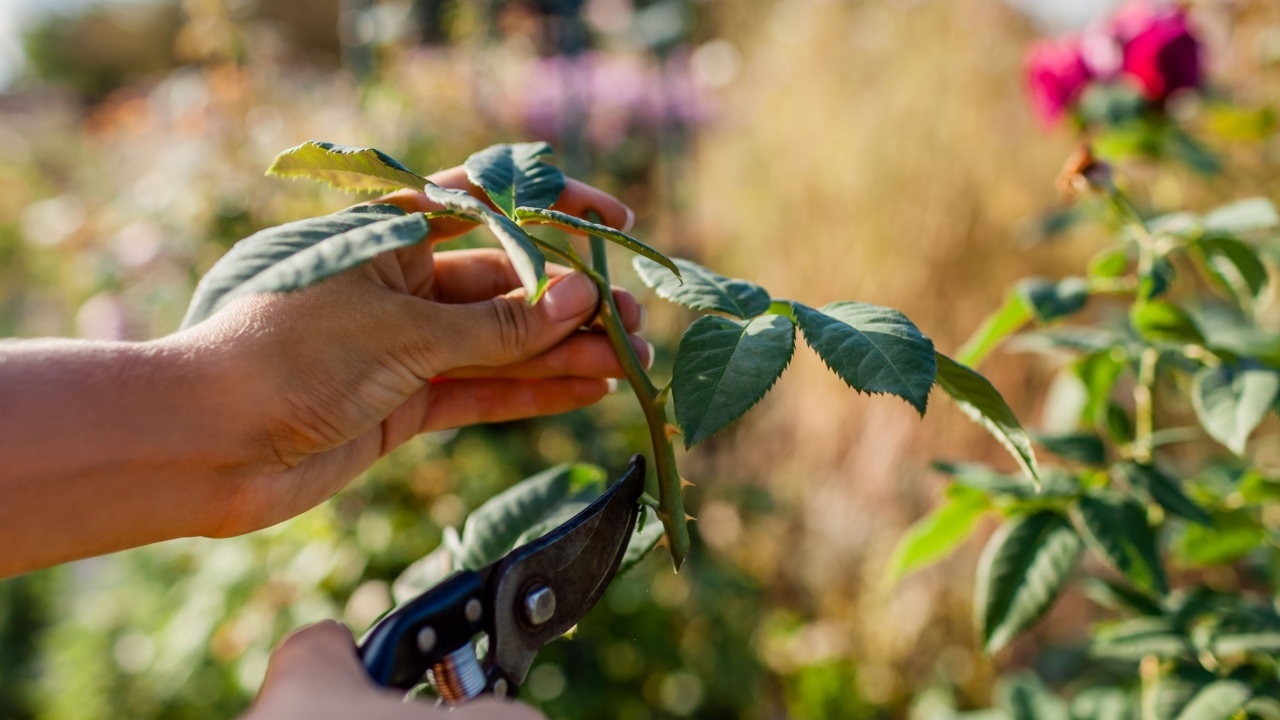
Make proper cuts. Semi-hardwood cuttings should be 4-6 inches long, cut at an angle just below a node (where leaves attach). Remove leaves from the lower half, leave 4-6 leaves at the top. On large-leaved stuff like rhododendrons, cut the remaining leaves in half to reduce water loss.
Wound difficult species. For stubborn rooters like magnolias, camellias, and rhododendrons, make 1-2 light vertical cuts through the bark at the base. Or scrape away a small strip of bark. This exposes the cambium layer where roots form and helps hormone penetrate. UF research confirms wounding leads to “heavier rooting” in these species.[6]
Apply rooting hormone correctly. Pour a small amount into a separate container – never dip directly into the main supply. Tap off excess powder after dipping. More isn’t better. NC State researchers warn that excessive concentration causes twisted growth and cells that won’t fully develop into functional roots.[13]
Plant properly. Make a hole with a pencil before inserting the cutting. This preserves the hormone coating instead of scraping it off. Insert cuttings one-third to one-half their length, firm the medium around them, water thoroughly.
Maintain conditions. University programs recommend 65-75°F air temperature. If using bottom heat, keep medium 5-10 degrees warmer than air. Cover with plastic dome until roots establish. Bright indirect light, never direct sun.
Rooting Hormone: What Actually Helps
The concentration question comes up a lot. Here’s what research shows:
IBA (indole-3-butyric acid) is the most effective rooting compound for home use. Commercial products come in three standard strengths:
- 0.1% IBA (1,000 ppm): Softwood cuttings
- 0.3% IBA (3,000 ppm): Semi-hardwood, woody plants, some evergreens
- 0.8% IBA (8,000 ppm): Difficult species, hardwood cuttings
Academic research puts the optimal concentration around 5,000 ppm for most applications – beyond which you start seeing inhibitory effects.[14] One controlled study showed 1,000 mg/L IBA produced roots five times longer than untreated controls.[15]
For the September shrubs we’re talking about, the 3,000 ppm strength (0.3%) works well for most species. Bump up to 8,000 ppm for really stubborn stuff like certain camellias.
Can you skip hormone? For easy rooters like willow, forsythia, and hydrangea, probably yes. For challenging evergreens like holly, boxwood, and camellia, hormone significantly improves success rates. RHS notes that rooting compound “improves success rates, especially for difficult subjects.”[8]
Research on camellia specifically shows IBA concentrations of 2,000-6,000 ppm work well for semi-hardwood cuttings, with higher concentrations generally giving better results.[16]
Regional Timing Adjustments
September doesn’t mean the same thing everywhere. I’m in the Northeast so mid-September is go-time for me. But timing shifts based on your zone.
USDA Zones 3-4: Your window runs August through early September max. After that shift to hardwood cuttings after hard frost. Coldframe or greenhouse protection for overwintering becomes essential.
USDA Zones 5-6: September is peak season. You have until early October before transitioning to hardwood technique.
USDA Zones 7-8: Semi-hardwood works through September into October. Hardwood season extends November through January. This zone represents ideal conditions for the widest range.
USDA Zones 9-10: Your windows shift later – semi-hardwood often works into October, hardwood through February. Extended growing seasons give more flexibility.
UK gardeners operate in conditions roughly equivalent to zones 7-9. RHS recommends semi-ripe cuttings July through September, transitioning to hardwood after leaf fall (late October onwards).[8]
When Things Go Wrong (And They Will)
Even experienced propagators face failures. Most trace to preventable causes:
Cuttings wilting before rooting usually means humidity problems or cuttings were too soft to begin with. Seal your dome properly, mist regularly, stick to the 4-6 inch length. Confirm wood was semi-hard not soft.
Cuttings rotting at base indicates overwatering or poor drainage. Medium should feel moist, never waterlogged. Switch to faster-draining mix (50% perlite, 50% peat works well), ensure drainage, improve air circulation. Sterilize tools between cuttings.
No roots after many weeks may just require patience. Some semi-hardwood evergreens take 3-4 months. But if others in the batch rooted, check whether cutting came from appropriate wood, whether medium stayed warm enough (add bottom heat), whether hormone concentration matched the species needs.
Roots form but plants die at transplant points to hardening-off failures. Gradually reduce humidity over 3-4 days before transplanting. Handle roots gently. Shade new transplants initially.
NC State Extension offers realistic expectations: “If you get 50% of the cuttings to root, you’ve been successful.”[4] Always take more than you need. Propagation is a numbers game.
Stuff I Wish Someone Had Told Me
You don’t need a greenhouse. I started with clear plastic domes over seed trays. Works fine. Some people use clear storage containers or cut-off soda bottles. A south-facing window provides enough warmth if you don’t have heat mats.
Label everything immediately. I thought I’d remember which cutting was which. I did not remember. Sharpie on popsicle sticks works, or those plastic plant labels. Write the plant name and date.
Take way more cuttings than you think you need. My success rate has improved with practice but it’s still not 100%. If you want ten new boxwoods, take twenty cuttings. Some won’t make it and that’s fine.
Rooting time varies wildly. Forsythia might root in a few weeks. Camellia might take months. Don’t assume something failed just because it’s slow. As long as the cutting stays green and firm, there’s hope.
The medium matters more than you’d think. Garden soil compacts and invites disease. I use 50/50 perlite and peat moss for most stuff. For rot-prone species I go heavier on perlite – like 80-90%.
What Actually Makes September Better Than Other Times
I tried spring propagation before I understood the September advantage. Spring softwood cuttings work for some plants but they’re fussier. They wilt easier, need constant misting, and you’re dealing with new growth that hasn’t stored much energy yet.
Hardwood cuttings in winter work great for deciduous shrubs but you’re waiting til the plant goes dormant, so you lose months. Plus they take forever to root.
September semi-hardwood hits this sweet spot:
- Wood has firmed up enough to handle easily
- Carbohydrate reserves are maxed out
- Auxin levels favor root formation
- Environmental conditions are forgiving (not too hot, not too cold)
- You still have time for roots to establish before winter
The science backs this up. Research on timing shows semi-hardwood corresponds to mid-July through early September when wood is reasonably firm and leaves have reached full size.[17] Growth flush is over. Any remaining softwood on the cutting will die in the rooting bed so it gets removed anyway.
My Current September Routine
I don’t overthink this anymore. Early September I walk around the yard with clean pruners and a bucket, looking for candidates.
Boxwood gets priority because those hedges are expensive and I’m always expanding them. Then hydrangeas because I can never have enough. Camellias if I remember (they take so long I sometimes forget about them).
Cuttings go into trays of perlite/peat mix treated with rooting hormone. Clear plastic domes on top. They sit on heat mats in the basement under shop lights. I check weekly for moisture and signs of rot.
By November most have roots or have clearly failed. The successful ones get potted up individually and overwintered in the coldframe. Come spring they’re ready to plant out.
I probably have a 60-70% success rate now, which seems pretty good based on what extension programs say to expect. Some batches do better than others for reasons I haven’t figured out yet.
The Money You Actually Save
Here’s the thing that sold me on propagation: I priced out the boxwood hedge I wanted. Twenty plants at $35 each = $700. Taking cuttings cost me basically nothing except time and some rooting hormone.
Same with hydrangeas. The big established ones at nurseries go for $40-60. I’ve propagated probably fifteen hydrangeas from cuttings at this point. That’s $600-900 saved.
Even factoring in failures, you’re way ahead financially if you need multiple plants of something.
Plus there’s the insurance angle. I take extra cuttings of plants I particularly like just in case something happens to the original. Had a camellia get damaged in a storm last year – didn’t matter because I had three propagated from it that survived fine.
Key Takeaways That Actually Matter
September sits in the propagation sweet spot when wood is semi-hard, carbs are stored, and hormones favor rooting. The science isn’t magic, it’s just plant physiology.
Not every shrub cooperates but boxwood, hydrangea, camellia, holly, hebe, escallonia, butterfly bush, spirea, forsythia, and salvia all work reliably from September cuttings.
Use clean tools, appropriate hormone concentration (usually 3,000 ppm for semi-hardwood), proper medium (50/50 perlite/peat), and maintain humidity until roots form. Expect 4-6 weeks to several months depending on species.
Take more cuttings than you need because 50% success rate is normal even for experienced propagators. Label everything. Be patient.
The savings add up fast if you need multiple plants. And you get the satisfaction of cloning your favorites for free.
Sources
[1] Gardening Know How. “Performing A Semi-Hardwood Snap Test.” https://www.gardeningknowhow.com/garden-how-to/propagation/cuttings/snap-test-on-semi-hardwood-cuttings.htm
[2] Pacific Northwest Cutting Propagation Methods. “Collection and Handling.” University of Washington. https://depts.washington.edu/propplnt/Chapters/Cuttings.pdf
[3] PubMed Central. “When stress and development go hand in hand: main hormonal controls of adventitious rooting in cuttings.” https://pmc.ncbi.nlm.nih.gov/articles/PMC3653114/
[4] NC State Extension. “Plant Propagation by Stem Cuttings: Instructions for the Home Gardener.” https://content.ces.ncsu.edu/plant-propagation-by-stem-cuttings-instructions-for-the-home-gardener
[5] University of Georgia Extension. “Think Outside the Boxwood: Alternative Plants for Gardens and Landscapes.” https://extension.uga.edu/publications/detail.html?number=C1107
[6] University of Florida IFAS. “Cutting Types, Semi-Hardwood Cuttings.” https://propg.ifas.ufl.edu/05-cuttings/02-types/07-cuttingtypes-semihardwood.html
[7] Mississippi State University Extension. “Propagating Plants for the Home Landscape.” https://extension.msstate.edu/publications/propagating-plants-for-the-home-landscape
[8] Royal Horticultural Society. “Cuttings: semi-ripe.” https://www.rhs.org.uk/propagation/semi-ripe-cuttings
[9] Gardening Know How. “Growing an Escallonia Hedge.” https://www.gardeningknowhow.com/ornamental/shrubs/escallonia/growing-an-escallonia-hedge.htm
[10] Gardening Know How. “Rooting Salvia Cuttings.” https://www.gardeningknowhow.com/ornamental/flowers/salvia/rooting-salvia-cuttings.htm
[11] Iowa State University Extension. “Propagation of Deciduous Trees and Shrubs from Semi-Hardwood Cuttings.” https://yardandgarden.extension.iastate.edu/how-to/propagation-deciduous-trees-and-shrubs-semi-hardwood-cuttings
[12] Oregon State University Extension. “Propagating Shrubs, Vines, and Trees from Stem Cuttings.” PNW-152. https://extension.oregonstate.edu/catalog/pub/pnw-152-propagating-shrubs-vines-trees-stem-cuttings
[13] NC State Extension. “Commercial Boxwood Production.” https://content.ces.ncsu.edu/commercial-boxwood-production
[14] International Journal of Advanced Biological and Biomedical Research. “Effect of Different Concentrations of IBA on Olive Propagation.” 2014. https://www.ijabbr.com/article_11599.html
[15] Academia.edu. “Influence of type cutting, IBA concentration and collection times on rooting of tea (Camellia sinensis L.).” https://www.academia.edu/77947519/
[16] Mississippi State University Scholars Junction. “Using Cutting Immersion to Apply Rooting Hormone for Propagation of Camellia japonica.” https://scholarsjunction.msstate.edu/honorstheses/147/
[17] Pacific Northwest Native Shrub and Tree Propagation. “Types of Cuttings.” University of Washington. https://depts.washington.edu/propplnt/Chapters/Cuttings.pdf
