
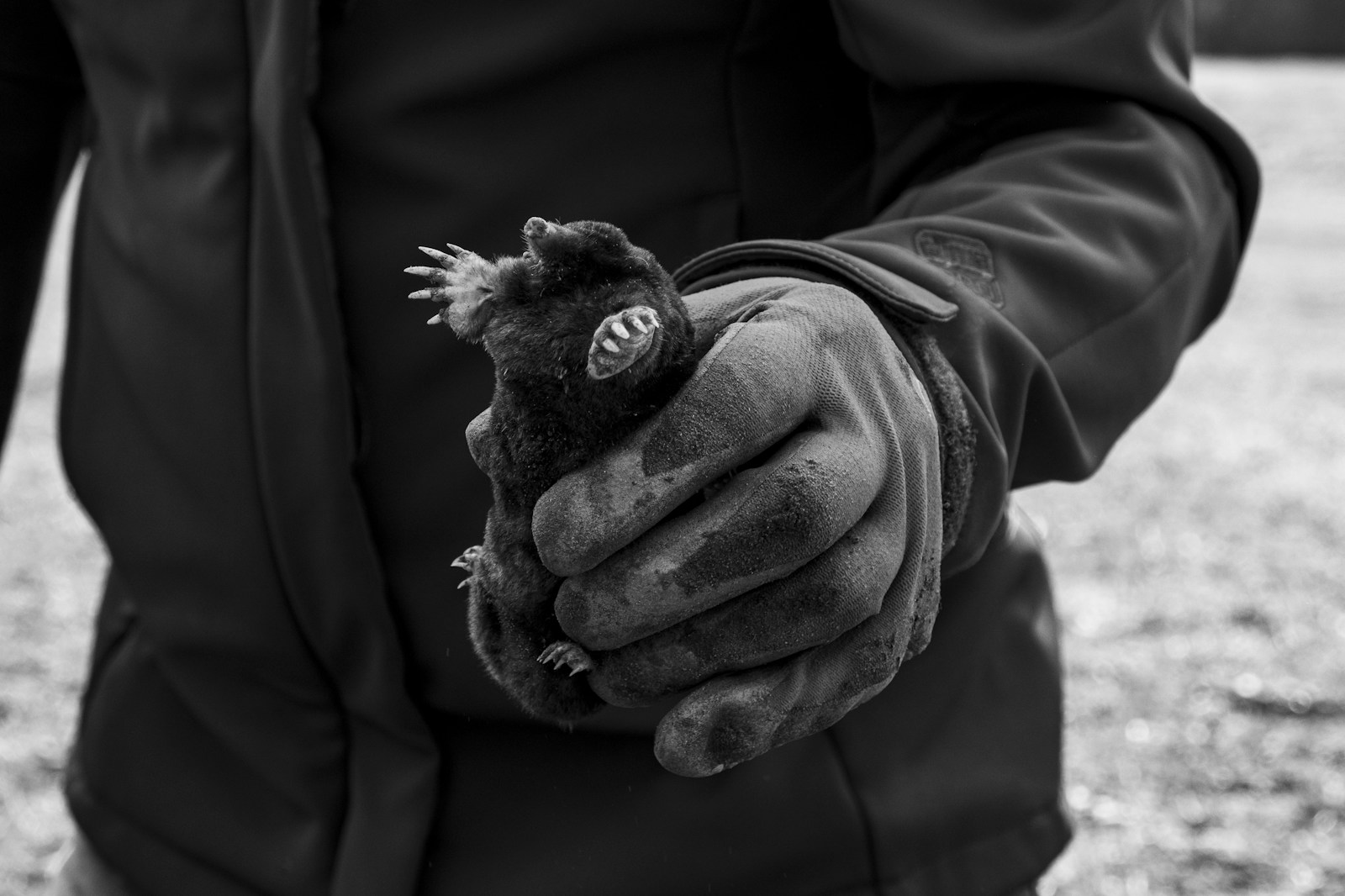
How to Get Rid of Moles: What Actually Works (Based on Science)
So here’s the thing about moles – most of what you read online about getting rid of them is either outdated, totally wrong, or just gets repeated because someone saw it on some gardening blog once.
I’ve been down this rabbit hole myself. My lawn looked like a minefield last spring with all the tunnels and molehills everywhere. And yeah, I tried some of the “natural remedies” people swear by. Spoiler alert: most of them don’t do anything.
After actually reading the scientific studies (the boring peer-reviewed kind, not blog posts), I figured out what works and what’s basically a waste of time. Some of this stuff surprised me – like that thing about castor oil everyone recommends? It kind of works, but probably not the way you think. And those ultrasonic devices? University researchers basically say don’t waste your money.
This is gonna be comprehensive because there’s a lot to unpack here. But if you’re tired of molehills in your yard and want to know what actually works based on real research – not just someone’s neighbor’s cousin’s remedy – then keep reading.
First – Understanding What You’re Actually Dealing With
Before you start trying to get rid of moles, you gotta understand what they are and aren’t. Because a lot of the “solutions” out there are based on complete misunderstandings of mole biology.
Moles are insectivores, not rodents. They’re actually more closely related to shrews than to mice or rats. This matters because the stuff that works on rodents won’t necessarily work on moles.[1]
Here’s what blew my mind when I started researching this: moles eat 70-100% of their body weight every single day.[2] That’s like a 150-pound person eating 150 pounds of food daily. They’re basically eating machines that tunnel underground looking for earthworms, grubs, and beetle larvae.
What Moles Actually Eat (And Why It Matters)
According to research from the Internet Center for Wildlife Damage Management, earthworms make up 70-90% of a mole’s diet.[2] The rest is mostly white grubs, beetle larvae, ants, and centipedes.
Notice what’s NOT on that list? Plants. Moles don’t eat your plant roots or bulbs or grass. They’re hunting insects and earthworms. So any advice about using plant-based repellents because “moles hate the taste” is fundamentally wrong from the start.
This is also why killing all the grubs in your lawn won’t get rid of moles like some pest control companies claim. University of Missouri Extension flat out says it: “Insecticides available today do not kill earthworms; therefore, the white grub treatment does NOT remove the mole food source.”[3]
How They Navigate (Why Ultrasonic Devices Are Bogus)
Moles have terrible eyesight – some species are basically blind. But they don’t need eyes because they navigate using these specialized touch organs called Eimer’s organs.[4]
Each mole has thousands of these microscopic touch receptors, mainly on their snout. Research shows they can identify prey in about 120 milliseconds using touch alone.[4] They’re ridiculously sensitive to vibrations and touch.
But here’s the key thing: moles don’t rely on hearing for navigation. Rod Crawford, who’s studied spiders and other invertebrates at the Burke Museum for over 45 years, notes that small mammals like moles primarily use touch and smell, not hearing.[5]
So those ultrasonic repellent devices everyone sells? They’re targeting the wrong sensory system entirely. It’s like trying to scare off a deaf person by playing loud music.
The Timing Problem (Why Everyone Thinks Stuff Works When It Doesn’t)
Here’s something that trips people up constantly. Mole activity follows seasonal patterns – you see them way more in spring (March-May) and fall (September-November).[6]
The problem is people start trying remedies in September, mole activity decreases naturally in November, and everyone’s like “it worked!” But the moles were gonna decrease anyway because that’s just what happens every year.
This is a classic case of correlation not equaling causation. And it’s why you can’t trust anecdotal evidence like “my grandma always used X and never had moles.” Maybe grandma’s yard also had poor soil that didn’t support many earthworms, you know?
What The Actual Scientific Studies Show
Alright, let’s get into the research. And fair warning – there’s not nearly as much scientific testing of mole control methods as you’d think. A lot of the common recommendations have basically zero peer-reviewed evidence.
The Castor Oil Studies: Mixed Results
Castor oil is probably the most recommended “natural” mole repellent. And unlike most home remedies, it’s actually been tested by universities.
A 1995 Michigan State University study tested a product called Mole-Med (which is 65% castor oil) across multiple test sites.[7] In their preliminary 1993 tests, the repellent worked on all 7 treated lawns. The expanded 1994 study covering 17 lawns found mole activity stopped on 11 treated sites while continuing on 5 of 6 control sites.
The effectiveness lasted about 30-65 days before needing reapplication.[7]
A separate University of Kentucky study examined 43 test sites and found statistically significant differences (P<0.0001) between treated and untreated areas, with mole activity decreasing for approximately six weeks.[8]
So castor oil does seem to work… sometimes. The mechanism isn’t totally clear, but researchers think ricinoleic acid (the main component of castor oil) creates digestive irritation that encourages moles to relocate.[9]
But here’s the catch: Rutgers University Extension specialist Koppenhofer notes that “no scientific research has shown consistent results” with castor oil products.[10] So it works for some people in some conditions, but it’s not reliable.
Ultrasonic Devices: Save Your Money
The scientific consensus on ultrasonic and vibrating devices is pretty much unanimous: they don’t work.
University of Arizona Cooperative Extension provides the most comprehensive analysis: “Commercially available sonic pest devices for use in residential applications have not been shown to be effective in scientific studies. For this reason, use of these devices is not advised.”[11]
University of Missouri Extension lists “mole wheels, pop bottles, windmills, bleach bottles with wind vents placed on sticks” as devices that “although colorful and sometimes decorative, are not effective mole control methods.”[12]
The Internet Center for Wildlife Damage Management confirms: “No frightening devices have been proven effective for the control of moles, including vibrational, magnetic, electronic, sonic, and pin-wheel devices.”[13]
Why don’t they work? Moles quickly get used to repetitive sounds and vibrations. And since they primarily navigate by touch rather than hearing, sonic devices are basically trying to solve the wrong problem.
What About All Those Home Remedies?
Let me save you some time. Here’s what university extensions and pest control experts say about common home remedies:
Chewing gum: Michigan State University Extension says “I have no evidence to support this recommendation.”[14] Moles are insectivores hunting live prey – they’re not gonna eat gum.
Mothballs/naphthalene: Oregon State University confirms using mothballs for mole control “violates Federal law” since they’re registered only for clothes moths in enclosed containers.[15] The National Pesticide Information Center warns it’s “dangerous and illegal.”
Flooding tunnels: University of California research shows this is “not effective at all since moles are excellent swimmers” and irrigating actually increases their food supply.[16]
Broken glass or sharp objects: University of Missouri Extension confirms these don’t work in practice. Moles dig around obstacles.[12]
Coffee grounds: There’s no actual scientific evidence that coffee grounds remove moles from gardens.[17]
Lemon peels or citrus oil: Despite being recommended everywhere, actual testing shows zero effect on moles.[18]
The Only Methods With Actual Evidence
After going through all the research, here’s what actually has some scientific backing or practical success.
1. Physical Barriers (The Most Reliable Long-Term Solution)
Hardware cloth exclusion is the most scientifically sound protection method for high-value areas, according to multiple university extensions.[10][19]
Specifications from Rutgers University Extension:
- Use 36-inch wide aluminum sheeting or ¼-inch mesh galvanized hardware cloth
- Bury 24-30 inches deep
- Leave 6 inches extending above ground
- Bend the bottom 3 inches outward at a 90-degree angle
For raised beds, line the bottom with ¼-inch hardware cloth before adding soil. This prevents mole intrusion entirely.
The downside? This is labor-intensive and only practical for protecting specific garden areas, not whole lawns.
2. Castor Oil Applications (Moderate Success)
If you want to try castor oil despite the mixed results, here’s how to do it right based on University of Nebraska Extension guidelines:[9]
Mix the concentrate:
- 6 ounces of 100% unrefined castor oil
- 2 tablespoons liquid dish detergent
- 1 gallon of water
Application:
- Dilute 1 ounce of concentrate per gallon of water for application
- Covers approximately 300 square feet
- Pre-irrigate soil with 0.5 inch of water
- Apply the repellent solution
- Water in with at least 1 inch of additional irrigation
The soil must be moist for this to work – moles travel deeper in dry soil where they won’t encounter the castor oil.[9]
Timing: Reapply every 30 days and after heavy rainfall. Most effective in spring and fall when moles are actively expanding tunnel systems.
3. Live Trapping (Challenging But Possible)
Three main methods exist for catching moles alive, though success rates vary:
The Coffee Can Method: This is probably the most practical DIY approach.[20]
- Find an active main surface tunnel (the straight lines, not the winding hunting paths)
- Flatten a section with your foot
- Check the next day – if it’s been repaired, it’s active
- Dig a hole just large enough for a coffee can
- Insert can so rim is slightly below tunnel level
- Repack soil on either side so tunnel looks collapsed
- Cover with a board
- Check daily
The mole will try to repair what looks like a cave-in and fall into the can. Then relocate at least one mile away.
The Shovel Method: This requires quick reflexes and good timing.[20]
- Find recent digging activity early morning or late evening
- Watch for movement (soil pushing up)
- Quickly scoop under the mole with a flat shovel
- Dump into a container
Success rate is lower but doesn’t require setup.
The Flooding Method: Use a garden hose to run water into an active tunnel.[20] Watch nearby molehills where the mole might try to escape. Have your shovel and container ready.
The Legal and Ethical Issues With Live Trapping
Before you get excited about live trapping, know that wildlife authorities actually advise against it.
Natural England’s official position: “Natural England does not recommend the relocation of moles on welfare grounds. Moles are highly territorial and release into another mole’s territory may result in fighting between individuals and even death.”[21]
Legal restrictions vary by location:
- California prohibits relocating nuisance wildlife – must be euthanized or released on-site[22]
- Virginia has identical prohibitions[22]
- Massachusetts law “prohibits the capture and relocation of wildlife off your property”[22]
- Washington technically allows mole trapping but “all mole and gopher traps are body-gripping traps” which were outlawed by Initiative-713[22]
- Nebraska requires release within 100 yards of capture site[22]
In the UK, moles have no specific legal protection but fall under the Wild Mammals Protection Act 1996 and Animal Welfare Act 2006. Methods causing unnecessary suffering can result in fines up to £5,000 or six months imprisonment.[23]
If you do trap and relocate, traps must be checked every 4 hours due to moles’ high metabolic rate. Longer than that and the mole will likely die from stress or starvation.[24]
Why Most Lawns Don’t Actually Have a Mole “Infestation”
Here’s something that might make you feel better: Iowa State University Extension notes that approximately 3 moles per acre is typical density.[25] Those extensive tunnel networks make it look like you have dozens of moles, but it’s often just one or two animals.
Moles are territorial and solitary except during breeding season. A single mole can create 100 feet of new tunnels in a single day.[2] So what looks like a major infestation might just be one hyperactive mole with a good food source.
Surface Tunnels vs. Deep Tunnels
Not all mole tunnels are permanent. There are two types:[2]
Surface feeding tunnels: Just 1-3 inches below ground, appear as raised ridges in your lawn. These are temporary hunting runs. Many get abandoned after a few days.
Deep permanent tunnels: 10-40 cm (4-16 inches) deep. These are the main highways with molehills at intervals. These are what moles actually live in.
The surface tunnels are what everyone sees and freaks out about. But a lot of those aren’t even being used anymore. You can test which tunnels are active by pressing them flat with your foot and checking 24-48 hours later. If they’ve been pushed back up, they’re active.
The Ecological Benefits of Moles (Maybe Don’t Get Rid of Them?)
Before you wage war on your local mole population, consider that they’re actually providing services to your lawn.
According to Virginia Tech Extension, mole tunneling “loosens the soil, thereby improving aeration and percolation” while “mixing deeper soils with surface organic material.”[26]
Penn State Extension notes moles “permit better aeration of the soil, help dry out sod, and enable humus (organic matter) to travel deeper into the soil.”[27]
Pest consumption is significant. Virginia Tech emphasizes moles are “extremely beneficial because they consume the larvae and adult stages of numerous pest insects, such as Japanese beetles.”[26]
University of Missouri stomach analyses found one mole had eaten 175 white grubs in a single meal.[12] With daily consumption of 70-80% body weight, a single mole removes approximately 50 pounds of pest insects annually.
The Roy Dennis Wildlife Foundation notes that mole scarcity signals “collapsing soil ecosystems” in intensively farmed areas.[28]
So maybe the question isn’t how to get rid of moles, but how to tolerate them or protect specific high-value areas rather than trying to eliminate them entirely.
What Actually Matters Most: A Practical Strategy
After going through all this research, here’s what I’d actually recommend based on what has evidence:
Step 1: Assess If You Actually Have a Problem
- Count the molehills and active tunnels
- Remember 3 moles per acre is normal
- Surface tunnels are often temporary
- Mole activity peaks in spring and fall naturally
- Is the damage actually significant, or does it just look bad?
Step 2: Protect High-Value Areas First
Rather than trying to mole-proof your entire property:
- Install hardware cloth barriers around vegetable gardens
- Use ¼-inch mesh on the bottom of raised beds
- Protect individual plants with wire baskets
This gives you guaranteed protection where it matters most.
Step 3: Try Castor Oil If You’re Willing to Commit
If you want to try a deterrent:
- Use proper formulation and application method
- Pre-water, apply, water in thoroughly
- Target active tunnels only
- Reapply every 30 days
- Expect mixed results
Set realistic expectations – this works for some people sometimes, not reliably for everyone.
Step 4: Modify Habitat (Might Help a Little)
- Reduce irrigation to minimum lawn requirements (about 1 inch weekly)
- This limits surface earthworm activity where moles hunt
- Accept that this shifts mole activity seasonally rather than eliminating it
Step 5: Live Trapping as Last Resort
If you’re committed to catching them:
- Use coffee can method in early spring before breeding
- Check local laws first
- Check traps every 4 hours minimum
- Relocate at least 1 mile away to suitable habitat
- Accept relatively low success rates
Step 6: Consider Tolerance
Virginia Tech Extension puts it best: “If the existing conditions that initially attracted the animal are not changed, removing an offending individual from that environment serves only to alleviate problems associated with that individual—other individuals can be expected to occupy high-quality habitats and soon will fill the void.”[26]
If your lawn has good soil with lots of earthworms and insects, it’s prime mole habitat. You can remove individual moles, but others will likely move in unless you fundamentally change conditions (which would also harm your lawn health).
Common Mistakes People Make
Mistake #1: Waiting Until There’s a Major Problem Start management in early spring before breeding season. One female can have 2-5 babies per year. Much easier to deal with one or two moles than a family.
Mistake #2: Trying Multiple Methods Simultaneously If you use castor oil AND traps AND flooding all at once, you won’t know what’s actually working. Try one method at a time so you can assess effectiveness.
Mistake #3: Not Identifying Active Tunnels Wasting repellents or setting traps in abandoned tunnels is pointless. Do the flat-and-check test to find active runs first.
Mistake #4: Giving Up Too Quick Castor oil needs consistent reapplication. Trapping takes patience and good timing. Most people try something once, don’t see instant results, and quit.
Mistake #5: Confusing Moles With Voles Voles (meadow mice) also make surface runways but they eat plants and have different habits. Mole control methods won’t work on voles and vice versa. If you’re losing plants, check if you actually have voles instead.
Seasonal Timing Guide
Spring (March-May):
- Peak activity as soil thaws
- Before breeding season starts
- Best time for live trapping efforts
- Apply castor oil as moles expand territories
Summer (June-August):
- Activity continues but moles go deeper in dry soil
- Babies are growing and learning to hunt
- Focus on protecting specific garden areas
- Maintain barrier systems
Fall (September-November):
- Second peak activity period
- Moles preparing for winter
- Good time for castor oil applications
- Install new barriers before ground freezes
Winter (December-February):
- Reduced activity but moles don’t hibernate
- They hunt in deep tunnels below frost line
- Surface damage less visible under snow
- Plan spring management strategy
Bottom Line: Set Realistic Expectations
Here’s what I’ve learned after diving deep into the research:
What definitely doesn’t work:
- Ultrasonic devices (university studies show no effect)
- Most home remedies (chewing gum, mothballs, broken glass, etc.)
- Just killing grubs (doesn’t remove earthworm food source)
- Plant-based repellents (moles don’t eat plants)
What might work sometimes:
- Castor oil applications (mixed research results, requires commitment)
- Live trapping (challenging, time-consuming, legal issues)
- Habitat modification (limited effectiveness)
What definitely works:
- Physical barriers (guaranteed but labor-intensive)
- Accepting that some mole activity is normal and even beneficial
The uncomfortable truth is that most humane deterrents have limited effectiveness. Physical exclusion works but is only practical for small areas. Everything else is hit-or-miss.
Maybe the best strategy isn’t elimination but management – protect what matters most with barriers, tolerate moles in less critical areas, and appreciate the pest control and soil aeration they provide.
If your lawn is healthy with good soil and abundant earthworms, you’re gonna attract moles. That’s actually a sign of a healthy ecosystem. The molehills might be annoying, but the alternative (sterile, compacted soil with few earthworms) isn’t better for your lawn’s long-term health.
Start with small targeted interventions, accept that complete elimination probably isn’t feasible without lethal methods, and focus your energy on the parts of your yard where cosmetic appearance really matters.
Sources
[1] Internet Center for Wildlife Damage Management. “Mole Biology.” https://icwdm.org/species/other-mammals/moles/mole-biology/
[2] University of Missouri Extension. “Controlling Nuisance Moles.” Publication G9440. https://extension.missouri.edu/publications/g9440
[3] Michigan State University Extension. (2013). “Moles in the lawn.” https://www.canr.msu.edu/news/moles_in_the_lawn
[4] Marasco, P. D., Tsuruda, P. R., & Catania, K. C. (2006). “Neuroanatomical evidence for segregation of nerve fibers conveying light touch and pain sensation in Eimer’s organ of the mole.” Proceedings of the National Academy of Sciences. https://pubmed.ncbi.nlm.nih.gov/16751268/
[5] Crawford, R. L. Burke Museum. “Myth: Spider repellants.” University of Washington. https://www.burkemuseum.org/collections-and-research/biology/arachnology-and-entomology/spider-myths/myth-spider-repellants
[6] The UK Rules. “Pest Control for Ground Moles UK | Best Time for Getting Rid of Moles.” https://www.theukrules.co.uk/rules/legal/environment/wildlife/pest-control-for-ground-moles/
[7] Dudderar, G. R., Tellman, G. C., & Elshoff, M. (1995). “The Effectiveness of a New Mole Repellent for Preventing Damage to Lawns by Eastern Moles.” Proceedings of the Eastern Wildlife Damage Control Conference. https://digitalcommons.unl.edu/ewdcc7/10/
[8] Courtney, T., & Barnes, T. G. (2002). “Efficacy of castor oil as a repellent for moles.” Proceedings of the Vertebrate Pest Conference, 20. https://www.researchgate.net/publication/228375463_Efficacy_of_castor_oil_as_a_repellent_for_moles
[9] University of Nebraska Extension. “Controlling Moles.” Publication G1538. https://extensionpublications.unl.edu/assets/pdf/g1538.pdf
[10] Rutgers University Extension. “Mole Management in Turf and Gardens.” FS025. https://njaes.rutgers.edu/FS025/
[11] Aflitto, N., & DeGomez, T. (2015). “Controlling Vertebrate Pests with Pesticides.” University of Arizona Cooperative Extension Publication AZ1639. https://extension.arizona.edu/sites/extension.arizona.edu/files/pubs/AZ1639-2015.pdf
[12] University of Missouri Extension. “Controlling Nuisance Moles.” Publication G9440. https://extension.missouri.edu/publications/g9440
[13] Internet Center for Wildlife Damage Management. “Mole Damage Prevention and Control Methods.” https://icwdm.org/species/other-mammals/moles/mole-damage-prevention-and-control-methods/
[14] Michigan State University Extension. (2013). “Moles in the lawn.” https://www.canr.msu.edu/news/moles_in_the_lawn
[15] National Pesticide Information Center, Oregon State University Extension. “Mothballs.” http://npic.orst.edu/faq/mothball.html
[16] University of California Agriculture and Natural Resources. “UC IPM: Moles.” https://ipm.ucanr.edu/PMG/PESTNOTES/pn7427.html
[17] House Digest. “There’s No Scientific Evidence Coffee Grounds Can Remove Moles.” https://www.housedigest.com/1112899/coffee-grounds-moles-garden/
[18] Laznik, Ž., & Trdan, S. (2018). “Natural Compounds as Spider Repellents: Fact or Myth?” Journal of Economic Entomology, 111(1), 314-320. https://pubmed.ncbi.nlm.nih.gov/29309619/
[19] Internet Center for Wildlife Damage Management. “Mole Damage Prevention and Control Methods.” https://icwdm.org/species/other-mammals/moles/mole-damage-prevention-and-control-methods/
[20] Gardening Know How. “Evict Moles from Your Yard with These 3 Non-Lethal Tricks.” https://www.gardeningknowhow.com/plant-problems/pests/get-rid-of-moles-without-killing-them
[21] Natural England. “Mole control: legal methods and licensing.” https://www.gov.uk/guidance/moles-control-and-licensing
[22] California Department of Fish and Wildlife. “Living with Wildlife: Moles.” https://wildlife.ca.gov/Living-with-Wildlife/Moles
Virginia Department of Wildlife Resources. “Wildlife Regulations.”
Massachusetts Division of Fisheries and Wildlife. “Problem Animal Information.”
Washington Department of Fish and Wildlife. “Living with Wildlife: Moles and Gophers.” https://wdfw.wa.gov/species-habitats/living/species-facts/moles
Nebraska Game and Parks Commission. “Wildlife Damage Control.”
[23] UK Government. “Wild Mammals (Protection) Act 1996.” https://www.legislation.gov.uk/ukpga/1996/3/contents
UK Government. “Animal Welfare Act 2006.” https://www.legislation.gov.uk/ukpga/2006/45/contents
[24] PLOS ONE. (2016). “Standard Operating Procedure: Live trapping and relocating moles.” Supporting Information S4. https://journals.plos.org/plosone/article?id=10.1371/journal.pone.0146298
[25] Iowa State University Extension. “Moles in the Lawn, Control.” https://yardandgarden.extension.iastate.edu/encyclopedia/moles-lawn-control
[26] Parkhurst, J. A. (2023). “Moles.” Virginia Tech Extension Publication 420-201. https://www.pubs.ext.vt.edu/content/dam/pubs_ext_vt_edu/420/420-201/ENTO-422.pdf
[27] Penn State Extension. “Native Groundcovers Can Solve Tough Challenges in the Landscape.” https://extension.psu.edu/native-groundcovers-can-solve-tough-challenges-in-the-landscape
[28] Roy Dennis Wildlife Foundation. “The decline of the mole.” https://www.roydennis.org/the-decline-of-the-mole/
Additional Research Sources:
Home Depot. “How to Get Rid of Moles and Gophers.” https://www.homedepot.com/c/ab/how-to-get-rid-of-moles-and-gophers/9ba683603be9fa5395fab901fca3cad4
WebMD. “How to Get Rid of Moles in Your Yard.” https://www.webmd.com/a-to-z-guides/how-to-get-rid-of-moles-your-yard
For location-specific regulations and recommendations, consult your local university extension service or state wildlife management authority.