
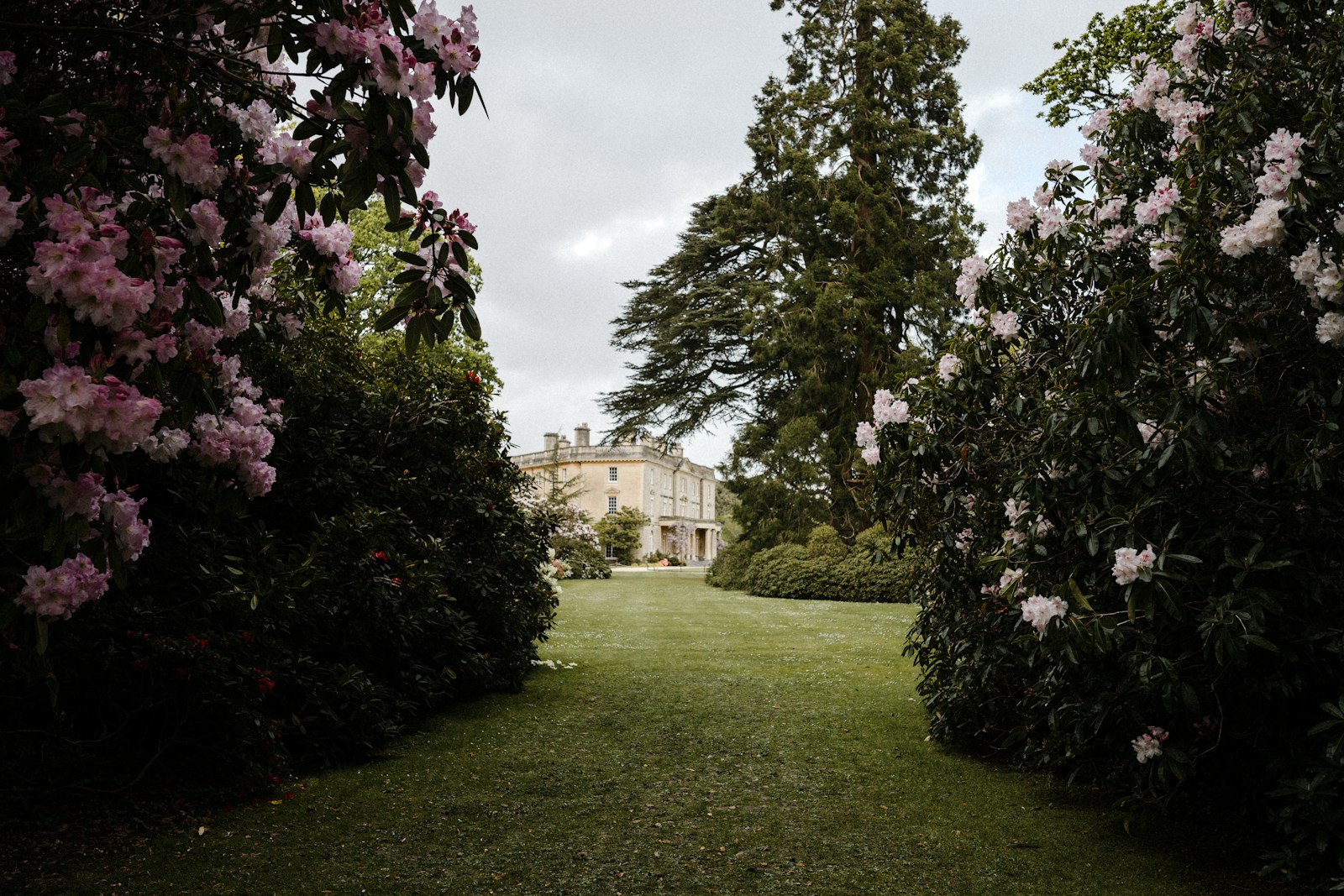
How to Create an Authentic Downton Abbey Garden Style
Okay so I’ve been slightly obsessed with the gardens at Highclere Castle ever since I binge-watched Downton Abbey for the third time. And honestly? Those gardens aren’t just TV set dressing – they’re the real deal, based on actual Edwardian era garden design principles that you can steal for your own yard.
The thing is, most articles about “Downton Abbey gardens” just list some plants and call it done. But there’s way more to it than that. The gardens you see on the show represent this specific moment in British garden history when everything changed – when super formal Victorian bedding schemes gave way to softer, more romantic plantings. And the people behind this transformation? They’re actually fascinating once you dig into it.
So I went down this rabbit hole of reading actual horticultural research, historical garden design books, and even tracked down some pretty obscure academic papers about Edwardian estates. Here’s what I learned about creating that Downton Abbey look – with the science and history to back it up.
Why Highclere Castle Gardens Actually Matter (Beyond the TV Show)
The real Downton Abbey is Highclere Castle in Hampshire, England, and the grounds have serious horticultural pedigree. The parkland was designed by Lancelot “Capability” Brown in 1770 – yeah, THE Capability Brown who basically invented the English landscape style [1].
Here’s what actually happened: Brown visited Highclere in summer 1770, then his surveyor John Spyers came between November 7-25 and drew up full plans for the house and gardens [2]. Brown charged £40 for the general plan (which was a lot back then) and £10 for the water features [2]. Whether they actually used all his ideas for the house is unclear since the whole thing got rebuilt later, but the parkland layout? That’s his work.
The estate itself goes way back – first written records are from 749 AD when an Anglo-Saxon king gave it to the Bishops of Winchester [3]. The Monk’s Garden dates to the 12th century, and records from 1218 list 61 fruit trees growing there [4]. Today it’s got climbing roses and penstemons instead of all those medieval fruit trees, but some espaliered medlar and pear trees still grow against those ancient walls alongside yew topiary [4].
What makes these gardens special isn’t just age though – it’s that they capture this specific moment in garden design history. The Edwardian period (1901-1910 plus a few years before WWI) was when garden style totally shifted. Victorian gardens were all about geometric beds filled with annuals changed out seasonally. Super labor-intensive, kinda flashy. But then this whole Arts & Crafts movement happened and people started wanting something different.
The People Who Actually Created This Style
If you’re gonna understand Edwardian gardens, you need to know about Gertrude Jekyll. She’s basically the reason English cottage gardens look the way they do.
Gertrude Jekyll – The Woman Who Saw Gardens Like Paintings
Born 1843, Jekyll (it’s pronounced “JEE-kill” not “JECK-ill” – the modern pronunciation came from 1940s Hollywood) [5]. She originally trained as a painter at the South Kensington School of Art and was influenced by Turner, Ruskin, and the French Impressionists [6]. But in 1891 at age 50, she got diagnosed with severe myopia – degenerative eye condition – and had to give up painting [6].
So she channeled all that artistic training into garden design instead. And honestly? That background is what made her revolutionary.
Jekyll treated borders like canvases. Her famous color theory goes from cool whites and blues at the edges, through pastels, into hot reds and oranges at the center, then back to cool colors at the opposite end [7]. She didn’t just randomly place plants – she thought about how colors flow into each other, how each section “becomes a picture in itself” [7].
Here’s something interesting that most articles don’t mention: her eye condition might have actually influenced her style. Some historians think that seeing colors as blurs made her approach design more like an Impressionist painter, focusing on overall effect rather than individual flowers [6]. Whether that’s true or not, the effect is undeniable.
She designed over 400 gardens in Britain, Europe and America [8]. She also wrote prolifically – over 1,000 articles for Country Life, The Garden, and other magazines, plus multiple books [9]. Her 1908 book “Colour Schemes for the Flower Garden” is still in print today and still relevant.
One principle she was hardcore about: plant in long drifts, not blocks. Long thin drifts mean you don’t get ugly gaps when flowers fade.
Another Jekyll thing: she believed each section of the garden should have its peak period [10]. Not trying to have continuous bloom in one border year-round. Instead, dedicate specific areas to specific seasons – spring bulbs in one spot, summer perennials in another, fall asters somewhere else. Each has its moment of glory.
Edwin Lutyens – The Architect Who Made It Work
Jekyll’s most famous partnership was with architect Edwin Lutyens, who was 26 years younger than her. They collaborated on over 100 gardens [5], and it became THE must-have for wealthy Edwardians – a Lutyens house with a Jekyll garden.
What made their partnership work was that Lutyens provided geometric structure – walls, paths, terraces, steps – and Jekyll filled those bones with soft, romantic plantings. As one contemporary described it, “Miss Jekyll’s naturalistic planting wedded Lutyens’ geometry in a balanced union of both principles” [11].
At the time there was this huge debate in the gardening world between two camps. On one side: William Robinson (who wrote “The Wild Garden” in 1870) championing naturalistic, informal planting [12]. On the other side: designers like Reginald Blomfield who thought gardens should be architectural extensions of the house.
Jekyll and Lutyens basically synthesized both approaches. You got formal structure but informal planting. Geometric layout but flowing drifts of perennials. This became the Edwardian style.
William Robinson – The Guy Who Hated Carpet Bedding
William Robinson (1838-1935) was the third key figure. His book “The Wild Garden” (1870) argued passionately against Victorian carpet bedding – those geometric beds of annuals that got replanted three times a year [12].
He advocated for hardy perennials, naturalistic arrangements, dense plantings that leave no bare soil. His garden at Gravetye Manor in Sussex demonstrated these principles for decades.
Jekyll worked closely with Robinson – she wrote for his magazine “The Garden” [13]. A lot of her ideas about using perennials and informal groupings came from his influence.
What Actually Made Edwardian Gardens Different
The Arts & Crafts movement influenced everything about how these gardens looked and functioned. A few key principles:
Structure first, then planting. You need those “bones” – walls, hedges, paths, geometric layouts. Then you soften them with plants.
Respect for materials and craftsmanship. Stone walls built properly, wooden pergolas made to last, wrought iron gates forged by hand. Jekyll was heavily into traditional crafts – she did metalwork, embroidery, woodworking herself [14].
Gradual relaxation from house to wild. Gardens should become progressively less formal as you move away from the house [7]. Formal terrace nearest the house, mixed borders further out, eventually transitioning to meadow or woodland.
Plant for effect, not collection. Victorian gardens were often just plant collections – one of everything. Edwardian gardens grouped plants for visual impact.
Seasonal focus. Each area gets its moment instead of trying to bloom continuously.
The Actual Plants You Need (With Real Growing Info)
Alright, enough history. Let’s talk about what to actually plant.
Roses – But the Right Ones
Not just any rose works. You want varieties that were actually grown in the early 1900s or modern roses bred to have that old garden rose look.
‘Albéric Barbier’ (1900) is a rambler with cream flowers fading from yellow buds. Grows to 15-20 feet, zones 5-9 (zone 4b with protection) [15]. The cool thing about this one: it tolerates shade way better than most roses AND it’s nearly thornless, which is great for pergolas where you might brush past it [15]. Has this fresh apple scent.
Growing requirements:
- Full sun minimum 6 hours, but handles partial shade better than most roses
- Well-drained soil, pH 6.0-7.0
- Water regularly first year to establish, then quite drought tolerant
- Blooms once in late spring/early summer on old wood, so prune right after flowering
- Royal Horticultural Society Award of Garden Merit winner [15]
‘Albertine’ (1921) is another Wichurana rambler, salmon-pink flowers, super fragrant. But heads up – this one gets rust pretty easily so you need good air circulation.
For repeat bloomers with the old garden look, the Pemberton hybrid musks work great. Rev. Joseph Pemberton of Essex bred these between 1913 and mid-1920s. ‘Moonlight’ (1913), ‘Penelope’ and ‘Cornelia’ provide reliable repeat flowering throughout summer.
Modern alternative: David Austin English Roses [16]. These were specifically bred to combine old rose aesthetics with modern disease resistance and repeat bloom. ‘Heritage’ (soft pink, zones 5-9, grows to 5 feet) and ‘Gertrude Jekyll’ (named for her, actually grown at Highclere now) both work.
Planting roses properly:
- Dig hole twice as wide as root ball
- Mix compost into native soil (50/50)
- Plant with bud union at soil level in warm climates, 2 inches below in cold climates
- Water deeply at planting
- Mulch 2-3 inches but keep away from stems
Delphiniums – The Tall Drama
These are the plants that give borders that vertical punch. Delphinium elatum hybrids can hit 2-6 feet depending on variety [17].
But let’s be real about delphiniums: they’re demanding. Here’s what they actually need:
Climate: Zones 3-7 only [17]. They struggle in heat and humidity. If you’re south of zone 7, you’re fighting an uphill battle. They want cool summers – ideal daytime temps 60-75°F, nighttime 45-55°F [18].
Soil: This is critical. Well-drained but moisture-retentive, rich, and pH 6.5-7.5 (neutral to slightly alkaline) [19]. They’re lime-lovers. Do a soil test and add lime if you’re acidic. Mix in lots of compost before planting.
Sun: Full sun (6-8 hours) but they appreciate afternoon shade in hotter areas [20]. Morning sun is gentler than afternoon sun.
Water: Keep evenly moist. These have shallow roots and can’t tolerate drying out [21]. But also can’t tolerate waterlogging – hence the well-drained soil requirement.
Staking: Non-negotiable for tall varieties. Stems are hollow and break easily [22]. Stake when plants are 2 feet tall, using bamboo or metal supports. Some people use grow-through hoops which work well.
Feeding: Heavy feeders. Balanced slow-release fertilizer every 2-3 weeks during growing season [21].
Deadheading: Cut main flower spike down to side shoots after blooming. For second (smaller) flush in late summer, cut to ground right after first bloom [23].
Pests/diseases: Prone to powdery mildew (especially in shade), crown rot (if soil drainage is poor), slugs on young growth, aphids, cyclamen mites [24].
Honestly? If you live somewhere hot and humid, skip delphiniums. Try Delphinium belladonna group instead – they’re bushier, 3-4 feet tall, hardy zones 3-8, and actually tolerate summer heat better [19]. Don’t need staking either.
Hollyhocks – Architectural But Temperamental
Alcea rosea is that classic cottage garden tall plant everyone pictures against walls and fences. Zones 3-9, grows 5-8 feet tall typically (some hit 10 feet), 1-2 feet wide [25].
Here’s the deal with hollyhocks though – rust disease is basically inevitable. It’s caused by the fungus Puccinia heterospora and shows up as yellow spots on top of leaves with rust-colored bumps underneath [26]. Eventually the whole leaf dies and falls off, leaving ugly bare stems by late summer.
Can you prevent it? Sort of. Here’s what actually helps:
- Space plants 3+ feet apart for air circulation [27]
- Water at soil level, never overhead – wet leaves spread fungus fast [28]
- Remove all plant debris in fall – spores overwinter in dead leaves [29]
- Remove affected leaves immediately when you see spots [28]
- Consider growing as annual or biennial and replacing yearly in problem areas [28]
- Choose rust-resistant varieties like Alcea rugosa or Spotlight Series [30]
- Fungicides (chlorothalonil, mancozeb, myclobutanil) can help if applied preventatively before symptoms appear, but they won’t cure existing infections [31]. Royal Horticultural Society actually recommends just replacing plants annually where rust persists [28].
Growing requirements:
- Full sun minimum 6 hours (they’ll tolerate partial shade in really hot climates) [25]
- Well-drained soil, any pH works – chalk, sand, loam all fine [32]
- Moderate moisture, avoid waterlogging especially in winter (plants will die) [23]
- Don’t need staking usually unless in very windy spots [25]
- Biennial – rosette first year, flowers second year, but self-seeds so prolific it acts like perennial [25]
Varieties worth trying:
- ‘Nigra’ – near-black single blooms, dramatic against lighter backgrounds
- ‘Chater’s Double’ – fully double flowers, various colors
- ‘Queeny’ series – shorter (2-3 feet), good for smaller gardens
Honestly if rust drives you crazy, skip traditional hollyhocks and try Alcea rugosa (Russian hollyhock) which is much more rust-resistant [30].
Lavender – Not As Easy Indoors As You Think
English lavender (Lavandula angustifolia) is everywhere in Edwardian garden descriptions. The variety ‘Hidcote’ is what you want – zones 5-9, grows 12-18 inches tall.
But growing lavender successfully requires specific conditions:
Sun: 6-8 hours minimum, preferably full blazing sun all day
Soil: Well-drained to the point of almost sandy. pH 6.5-7.5 (neutral to slightly alkaline)
Water: Drought tolerant once established. Overwatering kills lavender faster than anything
Humidity: Hates it. Needs dry air and good drainage especially in winter
Fertilizer: Don’t. Lavender evolved in poor Mediterranean soils and fertilizer makes it leggy
The drainage thing is critical. If your soil holds water at all, you need to amend heavily with grit or sand, or grow in raised beds. Sharp winter drainage is non-negotiable – lavender sitting in wet soil will rot.
Space plants 24-36 inches apart. Prune lightly in spring (remove dead wood) and after flowering (cut back by one-third but don’t cut into old wood).
If your conditions aren’t perfect for lavender, try Perovskia atriplicifolia (Russian sage) instead – similar look, way more forgiving about soil and water.
Foxgloves – Self-Seeding Cottage Classic
Digitalis purpurea is quintessential Edwardian garden. Biennial, zones 4-9, 3-6 feet tall depending on variety [17].
The toxicity thing: every part is poisonous – they contain digitalis, the heart medication. Don’t plant where kids might mess with them. But also deer and rabbits won’t touch them.
Growing is easy:
- Full sun to partial shade (actually performs better with afternoon shade in hot climates)
- Moist, organic-rich soil
- Self-seeds prolifically if you let seed heads mature
- First year makes leaf rosette, second year flowers and dies
The white form (D. purpurea f. albiflora) looks particularly elegant in moon gardens or against dark backgrounds. ‘Dalmatian’ series is dwarf (18-24 inches) and blooms first year from seed.
Let a few plants go to seed and you’ll have foxgloves forever – they’ll naturalize in woodland edges and partially shaded borders.
Phlox – For Softening Front Edges
Border phlox (Phlox paniculata) is different from creeping phlox. This one is upright, 2-4 feet tall, zones 4-8.
What I like about phlox is it blooms midsummer when a lot of stuff is done, and it doesn’t need staking. Fragrant too, which is nice near seating areas.
Requirements:
- Full sun to partial shade (benefits from afternoon shade in hot climates)
- Moist, well-drained soil amended with compost
- Regular water – shallow roots dry out fast
- Good air circulation to prevent powdery mildew
- Deadhead for extended bloom and second flush in fall
- Divide every 3-4 years to maintain vigor
‘David’ (white, very mildew-resistant), ‘Bright Eyes’ (pale pink with dark eye), and ‘Blue Paradise’ (lavender-blue) all have Awards of Garden Merit.
Powdery mildew is the main problem – shows up as white coating on leaves in late summer. Avoid by: spacing properly, watering at soil level not overhead, ensuring air circulation, choosing resistant varieties.
Lady’s Mantle – The Edging Plant Everyone Needs
Alchemilla mollis is not showy but it’s essential. Zones 3-8, 12-18 inches tall, forms soft mounds that edge borders beautifully.
The leaves are this velvety texture that holds water droplets perfectly (super photogenic if you’re into garden photography). Chartreuse flowers in early summer complement literally any color scheme.
Self-seeds aggressively – like, really aggressively. Shear back after flowering to prevent seedlings everywhere. Some gardeners find this annoying but honestly I just pull extras and give them away.
Grows in sun or shade, moist or dry soil, basically indestructible. Use it to soften hard edges of paths and borders.
The Secret Sauce: Kitchen Gardens and Walled Spaces
Estate gardens included massive productive areas that visitors never saw. The kitchen garden was “the engine room of country house life.”
At peak (late Victorian/Edwardian era), estates grew incredible diversity. Wall placement followed strict rules based on sun exposure:
- South walls (highest, sunniest): apricots, nectarines, peaches, grapes
- North walls: acid fruits (gooseberries, Morello cherries, redcurrants, blackcurrants)
- East walls: sweet cherries, plums
- West walls: early pears
Espaliered fruit trees trained flat against walls could produce for 150+ years. The walls absorb heat during the day and radiate it back at night, extending the growing season.
Highclere’s Peach House is a glasshouse growing peaches and fragrant roses under glass [4]. Victorian estates had specialized structures for everything: vineries, melon pits, cucumber houses, and even pineries for growing pineapples (ultimate status symbol).
The Head Gardener at estates was seriously high-status. At Calke Abbey, the Head Gardener earned £60/year versus the butler’s £50. Large estates employed dozens of staff – Kylemore Abbey in Ireland had 40 full-time gardeners at peak.
Young unmarried gardeners slept in brick “bothies” (basically dorms) near the gardens so they could get up overnight to tend glasshouse heating.
Obviously most of us can’t recreate that. But you can do a small productive garden with:
- Espaliered fruit trees against a sunny wall or fence
- Raised beds for vegetables
- Cutting garden section for flowers
- Herbs near the kitchen
Putting It All Together: Design Principles That Actually Work
After reading all this research, here’s what matters most for creating that Downton Abbey look:
Start With Structure
You need geometric bones first. This doesn’t mean formal parterre gardens – it means clear paths, defined bed edges, some vertical elements (walls, hedges, pergolas).
Yew hedges (Taxus baccata) are the gold standard for creating garden rooms. Dark green backdrop makes flowers glow. But yew is slow (like 6-12 inches per year) and expensive. Alternatives: hornbeam, beech.
Boxwood (Buxus sempervirens) for low hedges and edging. Plant in spring in cold climates, fall in warm climates.
Pergolas for vertical interest and rose support. Original Arts & Crafts ones were oak or chestnut, built to last.
Layer Heights Deliberately
Back to front in borders should go:
- 5-8 feet: delphiniums, hollyhocks, tall roses
- 3-5 feet: phlox, penstemons, medium shrub roses
- 1-3 feet: lavender, catmint, salvias
- Under 12 inches: lady’s mantle, low growing perennials
Don’t plant in strict rows – stagger heights and create drifts that flow.
Use Jekyll’s Color Principles
You don’t have to do her full cool-hot-cool progression, but think about how colors transition. Avoid jarring jumps (like bright orange next to hot pink). Use whites, grays, silvers as buffers between strong colors.
Foliage color matters as much as flowers. Silver artemisia, purple-leaf heuchera, chartreuse hostas – these create effects even when nothing’s blooming.
Plan for Seasonal Succession
Instead of trying to have one border bloom April-October, dedicate areas to specific seasons:
- Spring border: bulbs, early perennials
- Summer border: peak June-August
- Fall border: asters, dahlias, late-blooming perennials
This is more dramatic and easier to maintain than continuous bloom everywhere [10].
Allow Controlled Wildness
The Edwardian magic comes from soft plantings within hard structures. Let things self-seed in gravel paths. Allow lady’s mantle to spill over edges. Train roses a bit loosely rather than rigidly.
But this only works if you’ve got that underlying structure. Without bones, it’s just messy. With bones, it’s romantically informal.
What You Actually Need to Make This Work
Minimum space: You can do this aesthetic in a 10×10 foot area honestly. One small border against a wall with roses, delphiniums, lavender, and lady’s mantle captures the vibe.
Budget: Perennials are expensive upfront but cheaper long-term than annuals. Start small, divide plants, grow from seed where possible.
Time: First year is hardest (planting, weeding, establishing). Year two onwards gets way easier as plants fill in and mulch suppresses weeds. Maybe 2-3 hours per week once established for a medium-sized border?
Climate reality: If you’re in Arizona or South Florida, you can’t do actual Edwardian gardens. The plants need cool summers. But you can adapt the principles – structure + informal planting – using drought-tolerant Mediterranean plants.
Soil prep: This matters more than plant selection. Dig deep, add compost, ensure drainage. Good soil = happy plants = less work.
Common Mistakes People Make
Buying plants without checking requirements – That delphinium looks pretty at the garden center but dies in your zone 8 garden because it needs cool summers.
Skipping the structure – Just planting flowers without hedges, paths, or defined beds looks chaotic, not romantic.
Planting too close – Mature size matters. Space properly even if it looks sparse initially.
Wrong plant-wrong place – Lavender in clay soil, shade-lovers in full sun, etc. This causes 90% of failures.
Expecting instant results – Edwardian gardens were mature plantings tended by professional staff for years. Give yours time.
Bottom Line
The gardens at Highclere Castle (and other Edwardian estates) weren’t random pretty plantings. They represented a specific philosophy: marry architectural structure with naturalistic planting. Formal meets informal. Control meets wildness.
You can create this look in any sized space by understanding the principles:
- Structure first (paths, edges, hedges)
- Plant in drifts, not dots
- Layer heights back to front
- Think about color transitions
- Choose plants suited to your actual conditions
- Give it time to mature
The plant list matters less than getting these fundamentals right. A well-structured border with the “wrong” plants looks better than a chaotic mess with perfect specimens.
And honestly? Even if you never achieve Highclere-level perfection, trying for it makes you a better gardener. Understanding why Jekyll did what she did, what makes delphiniums happy, how roses should be pruned – that knowledge transfers to everything else you grow.
So yeah. Start with one border. Add some structure. Plant some drifts of perennials. See what happens. It’s not about having servants and acres – it’s about understanding the bones and letting plants soften them.
Sources
[1] Highclere Castle Official Website. “Castle and Gardens.” https://www.highclerecastle.co.uk/visit-us/castle-and-gardens
[2] Capability Brown Festival. “Highclere Castle – Garden.” Landscape Institute. https://competitions.landscapeinstitute.org/capability-brown/garden/highclere-castle/index.html
[3] Wikipedia. “Highclere Castle.” https://en.wikipedia.org/wiki/Highclere_Castle
[4] Garden Design Magazine. “The Gardens of Downton Abbey – Highclere Castle.” https://www.gardendesign.com/abroad/downtown-abbey-highclere-castle.html
[5] Historic England. “A Brief Introduction to the Remarkable Garden Designer, Gertrude Jekyll.” Heritage Calling, November 29, 2018. https://heritagecalling.com/2018/11/29/a-brief-introduction-to-the-remarkable-gertrude-jekyll/
[6] Wikipedia. “Gertrude Jekyll.” https://en.wikipedia.org/wiki/Gertrude_Jekyll
[7] Gardens Illustrated. “Gertrude Jekyll: discover the life of the remarkable garden designer and writer.” June 1, 2023. https://www.gardensillustrated.com/gardens/gardeners/gertrude-jekyll-life
[8] Gertrude Jekyll Official Website. “Gertrude Jekyll | The Official Website of the Jekyll Estate.” https://gertrudejekyll.co.uk/
[9] Gertrude Jekyll Official Website. “Garden Design.” https://gertrudejekyll.co.uk/garden-design/
[10] Laidback Gardener. “Gertrude and her Color Schemes.” January 7, 2023. https://laidbackgardener.blog/2023/01/07/gertrude-and-her-color-schemes/
[11] Great British Gardens. “Gertrude Jekyll (1843-1932).” https://www.greatbritishgardens.co.uk/gertrude-jekyll.html
[12] Wikipedia. “William Robinson (gardener).” https://en.wikipedia.org/wiki/William_Robinson_(gardener)
[13] Before You Garden. “The Wild Garden.” July 26, 2022. https://beforeyougarden.com/2022/07/26/the-wild-garden/
[14] Ilona’s Garden. “Learn From The Experts: Gertrude Jekyll.” September 16, 2025. https://www.ilonasgarden.com/learn-from-the-experts-gertrude-jekyll/
[15] Garden.org. “Rambling Rose (Rosa ‘Alberic Barbier’).” https://garden.org/plants/view/1725/Rambling-Rose-Rosa-Alberic-Barbier/
[16] David Austin Roses. “English Roses.” https://www.davidaustinroses.com/collections/english-roses
[17] Old Farmer’s Almanac. “Delphinium Flowers: Planting, Growing, and Caring for Delphiniums.” Updated August 6, 2025. https://www.almanac.com/plant/delphinium
[18] Gardenia.net. “Delphinium (Larkspur): Plant Care and Growing Guide.” https://www.gardenia.net/guide/learn-how-to-plant-and-care-for-your-delphiniums
[19] NYBG Mertz Library Reference. “Can you tell me how to grow and care for Delphinium?” https://libanswers.nybg.org/faq/223161
[20] Gardening Know How. “Care Of Delphinium Flowers: Tips For Growing Delphinium Plants.” December 10, 2022. https://www.gardeningknowhow.com/ornamental/flowers/delphinium/growing-delphinium-plants.htm
[21] Garden Design. “Growing Delphiniums – Plant & Care for Perennial Delphinium Flowers.” June 26, 2018. https://www.gardendesign.com/flowers/delphinium.html
[22] HGTV. “Delphinium: How to Plant, Grow and Care for Delphinium Flower.” Updated May 7, 2025. https://www.hgtv.com/outdoors/flowers-and-plants/how-to-plant-grow-and-care-for-delphinium
[23] Sarah Raven. “How to Plant, Grow & Care for Delphiniums.” https://www.sarahraven.com/articles/how-to-plant-and-grow-delphiniums
[24] NC State Extension. “Delphinium (Delphinium, Larkspur, Staggerweed).” https://plants.ces.ncsu.edu/plants/delphinium/
[25] Iowa State Extension. “Hollyhock (Alcea rosea).” Updated February 25, 2025. https://yardandgarden.extension.iastate.edu/encyclopedia/hollyhock-alcea-rosea
[26] Gardening Know How. “What Is Hollyhock Rust Disease – Learn About Hollyhocks With Rust Fungus.” February 21, 2023. https://www.gardeningknowhow.com/ornamental/flowers/hollyhock/hollyhock-rust-in-gardens.htm
[27] What Grows There. “Hollyhock Rust Prevention Tips.” Hugh Conlon. https://whatgrowsthere.com/grow/2012/07/19/hollyhock-rust-prevention-tips/
[28] Garden Design. “Growing Hollyhocks: Planting & Caring for Hollyhock Flowers.” August 7, 2018. https://www.gardendesign.com/flowers/hollyhocks.html
[29] Pacific Northwest Pest Management Handbooks. “Hollyhock (Alcea rosea)-Rust.” Updated April 10, 2025. https://pnwhandbooks.org/plantdisease/host-disease/hollyhock-alcea-rosea-rust
[30] Empress of Dirt. “How to Grow Hollyhocks: Planting & Caring for Hollyhock Flowers & Rust-Resistant Varieties.” Updated October 9, 2021. https://empressofdirt.net/grow-hollyhocks/
[31] Wisconsin Horticulture. “Hollyhock Rust.” https://hort.extension.wisc.edu/articles/hollyhock-rust/
[32] Seasonal Gardening UK. “Alcea rosea (Hollyhock) Planting and Growing Guide.” https://www.seasonalgardening.co.uk/biennials/hollyhock.asp