
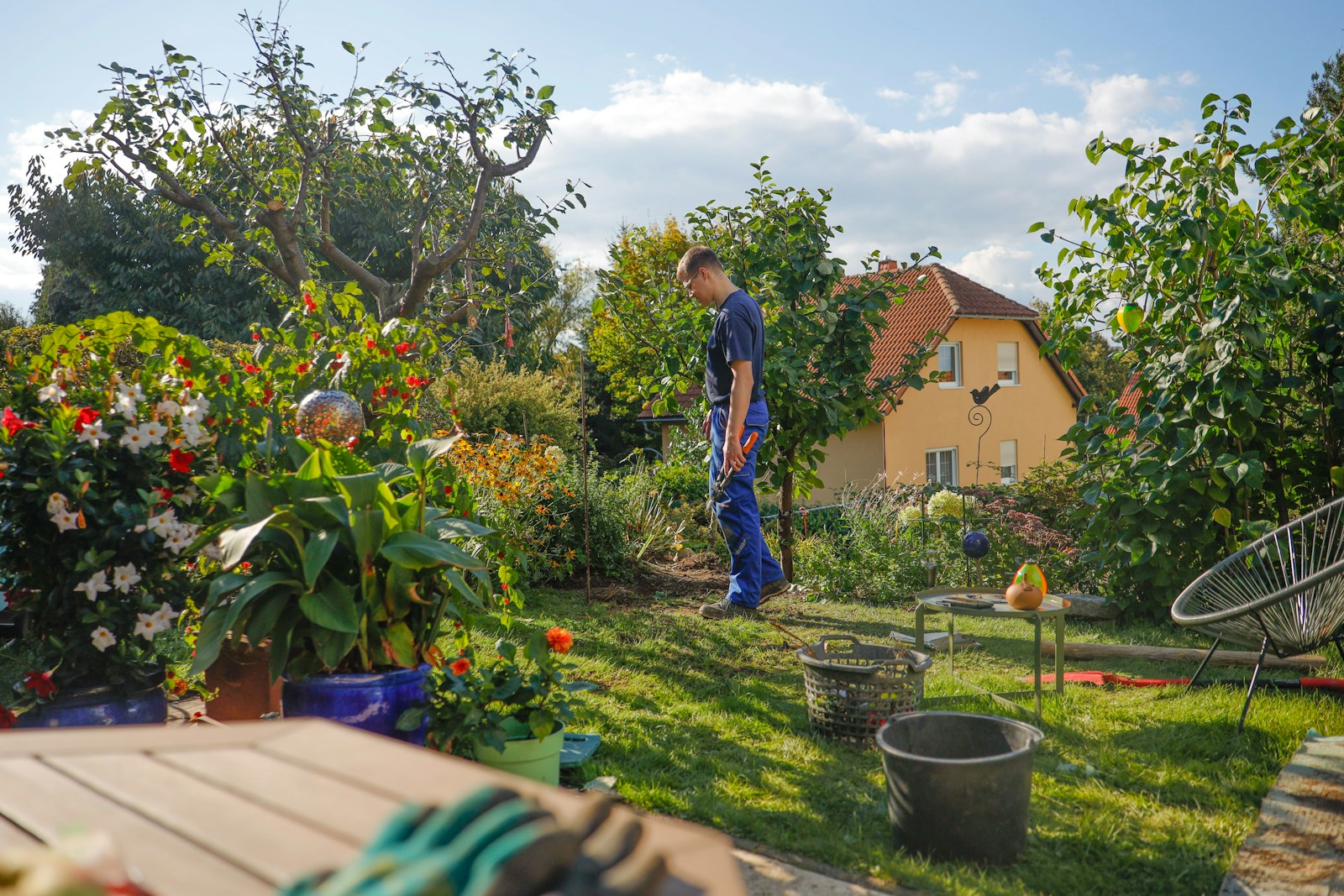
Fall Planting Guide: Best Front Yard Plants & Techniques
So here’s the thing about fall planting that most gardeners don’t realize – it’s secretly the best time to get stuff in the ground. Not spring. Fall.
I know that sounds backwards because we’re all trained to think “spring = planting season” but the research actually shows fall-planted perennials and shrubs develop way better root systems before going dormant.[1] Those roots keep growing in soil temps down to 42-45°F, often weeks after the first frost hits.[2]
What this means for your front yard is plants set out now will have a massive head start next spring. While your neighbor’s spring-planted specimens are still getting established, yours will already have extensive roots ready to support explosive growth and earlier blooms.
But you gotta pick the right plants. Some of the stuff everyone recommends is honestly mediocre, while other options that actually perform get overlooked.
Let me break down what really works based on both research and what I’ve seen actually succeed in front yards (not just look good at the garden center for two weeks).
Why Fall Planting Has a Biological Advantage
Quick science lesson because this matters. When you plant in fall instead of spring, you’re basically hacking plant biology in your favor.
Spring planting forces plants to do everything at once – grow roots, produce leaves, maybe flower, all while adjusting to transplant shock. That’s a lot. University of Illinois Extension points out that plants under this kind of stress are way more vulnerable to problems.[3]
Fall is different. Cool air signals plants to stop putting energy into leaves and flowers. But warm soil keeps root growth going strong. So fall-planted stuff channels ALL its energy into developing the root system that determines whether it thrives or just survives.[1]
The magic window depends on where you live, but generally you want to plant perennials and shrubs 6-8 weeks before your first hard frost.[4] That’s late August through mid-October for zones 5-7. Down south in zones 7-8, you can often keep planting well into November.
The Fall Color Science Everyone Gets Wrong
Okay so you’ve probably heard stuff like “cooler temps make leaves change color” which is technically true but also really incomplete.
Here’s what’s actually happening. Three pigments drive autumn displays and they behave totally differently:
Chlorophyll (the green) breaks down when nights get longer. It’s constantly being made and destroyed all summer, but production stops in fall. Without it, you finally see the other pigments that were hidden underneath.
Carotenoids create the yellows and oranges. These are present in leaves all season but chlorophyll masks them. They’re stable molecules that stick around after chlorophyll disappears. This is why birch and hickory reliably turn gold every year – their carotenoids just get revealed.[5]
Anthocyanins are where it gets interesting. These red and purple pigments are only produced in fall, when sugars get trapped in leaves and react with bright light. This is why sunny days followed by cool nights (above freezing but below 45°F) create the most intense reds.[5]
What this means for your garden: Plants that rely on anthocyanins (maples, fothergilla, oakleaf hydrangea) have variable fall color depending on weather. Plants with carotenoids (certain asters, grasses) give you reliable yellows and golds no matter what.
If you want consistent color every year without weather roulette, lean toward carotenoid-dominant plants.
The Top Performers (That Actually Look Good Past September)
Chrysanthemums – But Only If You Buy the Right Ones
Mums dominate fall garden centers for a reason. They’re programmed (photoperiodic response if you want the technical term) to bloom when nights lengthen, which perfectly syncs them with autumn.[6]
But here’s what the garden center won’t tell you: most mums you see are florist types bred for short-term display, not winter survival. They look great for a month then die.
For perennial success, you need garden mums bred for cold hardiness. The University of Minnesota’s ‘Mammoth’ series is legit – grows to three feet diameter and blooms mid-August into October in zones 5-9.[6] Belgian Mum varieties like ‘Viviana Yellow’ and ‘Conaco Orange’ have proven mounded habits that actually last.
Planting specs that matter:
- Soil pH 6.3-6.7 (Purdue Extension tested this)[7]
- Space bushy types 2-2.5 feet apart, taller ones 1-1.5 feet
- Full sun to partial shade
- Don’t fertilize at planting – nitrogen encourages tender growth that winter damage kills
One mistake I see constantly: people plant mums in full bloom. You want them in bud stage so they last longer. The fully blooming ones at the store are almost done.
University of New Hampshire research found mums planted by early September in zones 5-6 survive way better than late plantings because roots get established before freeze-up.[8]
Native Asters Beat the Imported Stuff
New England aster (Symphyotrichum novae-angliae) produces purple to pink flowers September through October on 3-6 foot plants. But honestly? The compact ‘Purple Dome’ at two feet works better for most front yards.[9]
The real star based on Chicago Botanic Garden trials is aromatic aster (S. oblongifolium). Hardy zones 4-9, this native blooms September clear into November with serious drought tolerance once established.[10] ‘October Skies’ and ‘Raydon’s Favorite’ are proven cultivars that don’t flop over like many asters do.
What they actually need:
- Slightly acidic soil pH 5.5-6.5
- Excellent drainage (they hate wet feet)
- Full sun for best blooms
- Space 12-18 inches apart
UMass Extension noted that blue asters paired with golden mums create combinations that genuinely pop from the street – not just “nice” but actually attention-grabbing.[11]
One thing about asters though – they can get leggy if you don’t pinch them back in early summer. Cut stems by a third in late May/early June for bushier plants.
Sedum ‘Autumn Joy’ Keeps Giving for Months
If you want one plant that delivers from late summer through winter, this German hybrid from 1955 is hard to beat. The color progression is actually remarkable – light pink buds in August become rosy pink, then red, then coppery rust, finally turning mahogany for winter interest.[12]
NC State confirms hardiness zones 3-9. Plants hit 18-24 inches tall and wide, tolerate drought, resist rabbits, and attract butterflies and bees throughout bloom.[13] The sterile flowers won’t spread everywhere aggressively like some sedums.
For darker foliage there’s ‘Matrona’ (purple-tinged leaves) or ‘Purple Emperor.’ Both perform similar to ‘Autumn Joy’ but add extra visual interest with the leaf color.
Care is basically:
- Plant in full sun
- Don’t overwater (succulent, remember)
- Skip fertilizer entirely
- Cut back in late winter/early spring
I’ve seen these plants ignored for years and they just keep coming back looking good. That’s the kind of front yard plant you want.
Ornamental Grasses Add Movement and Winter Structure
Grasses anchor fall displays while providing seed heads birds actually use and texture that persists through snow. The movement in wind is something static plants can’t replicate.
Little bluestem (Schizachyrium scoparium) is native to basically the entire U.S. and turns copper to mahogany in fall, staying that way through winter. ‘Standing Ovation’ offers tight upright form; ‘Twilight Zone’ gives dark blue-green with purple highlights.[14] Hardy zones 3-10, these bunch grasses support nine-plus skipper butterfly species.
Feather reed grass (Calamagrostis × acutiflora ‘Karl Foerster’) – the 2001 Perennial Plant of the Year – provides strict vertical form that reads clearly from street level. This sterile hybrid won’t seed everywhere, emerging early spring with deep green foliage and 5-6 foot flower stems that turn golden tan for winter.[15]
Iowa State Extension notes its adaptability to multiple soil types and drought tolerance once established.[15] Colorado State research found it one of the few ornamental grasses that doesn’t flop in heavy rain or snow.[16]
Switchgrass (Panicum virgatum) offers a native alternative to potentially invasive Miscanthus. ‘Shenandoah’ develops burgundy-red fall tones; ‘Heavy Metal’ turns reddish-gold. Both reach 4-6 feet and thrive zones 4-9.[14]
Space ornamental grasses as far apart as they grow tall at maturity – so a 4-foot grass needs 4-foot spacing.
Japanese Maples for Reliable Drama (If You Pick Right)
Japanese maples (Acer palmatum) stay the gold standard for fall foliage zones 5-9, but color development needs gradually cooling temps – not sudden cold snaps. Full sun intensifies color, though leaves can scorch in hot climates where afternoon shade helps.[17]
Top cultivars for red fall color:
- ‘Osakazuki’ produces one of the most spectacular crimson displays, reaching 25 feet with full sun tolerance
- ‘Bloodgood’ holds wine-red summer color and turns vibrant crimson in fall
- ‘Sherwood Flame’ develops fiery scarlet autumn color on a 20-foot tree
For yellow/gold displays, ‘Sango kaku’ (Coral Bark Maple) combines golden fall foliage with coral-red winter bark that literally glows in low winter light. For smaller spaces, ‘Mikawa yatsubusa’ stays compact while delivering bright red autumn color.
Cornell’s woody plant database indicates Japanese maples want acidic to neutral soil pH 5.0-7.4, with 6.0-6.8 ideal.[18] Above pH 7.2, chlorosis (yellowing with green veins) develops from iron deficiency.
One thing I’ve learned: don’t plant Japanese maples where they get afternoon sun in zones 7+. The leaves brown around edges and look sad instead of spectacular.
Fothergilla: The Native Burning Bush Alternative
Important context here: Euonymus alatus (burning bush) is classified invasive in 20+ states and banned in parts of the Northeast. Yet garden centers still sell it.
Fothergilla offers equal or better fall color without the ecological damage. These southeastern natives produce displays that honestly must be seen – yellow, orange, red, and burgundy often on the same plant simultaneously.[19]
Dwarf fothergilla (F. gardenii) stays at 3-5 feet. Large fothergilla (F. major) reaches 6-10 feet and tolerates more drought. The cultivar ‘Mt. Airy,’ discovered at Mount Airy Arboretum by Dr. Michael Dirr, consistently ranks among top selections – 4-5 feet with intense fall color and large fragrant white bottlebrush flowers in spring.[20]
Red Monarch™ offers exceptional red tones and Zone 4 hardiness – a full zone colder than typical species.
Requirements:
- Acidic, organically rich soil with excellent drainage
- Full sun to partial shade (more sun = better fall color)
- Space 4-5 feet apart
- Zones 5-8, sometimes 4 with right cultivars
Plant fothergilla where you can see it from inside your house in fall. The color is too good to waste in a back corner.
Oakleaf Hydrangea for Four-Season Interest
No hydrangea matches Hydrangea quercifolia for fall foliage. This southeastern native produces rich burgundy, red, and bronze while most hydrangeas just brown out. The exfoliating cinnamon bark provides winter interest, and white summer panicles dry to attractive tan.[21]
The U.S. National Arboretum introduction ‘Ruby Slippers’ stays compact at 3-4 feet with flowers aging from white to pale pink to ruby red. For larger spaces, ‘Snow Queen’ reaches six feet with strong stems and erect 12-inch flower panicles.[22] ‘Little Honey’ adds golden spring foliage, creating year-round color from one plant.
Clemson Extension recommends avoiding pruning after August 1 since oakleaf hydrangea blooms on old wood.[23] Fall planting works well zones 5B-9, but protect first-year plants from winter desiccation with burlap screens or anti-desiccant spray.
One cool thing: the leaves stay attached well into winter even after they brown. Some people hate that look, but I think the dried foliage adds texture when everything else is bare.
The Planting Techniques That Actually Matter
The Number One Mistake to Avoid
University extension sources unanimously identify planting too deep as the leading transplant failure cause. NC State explains burying the root flare (where trunk meets roots) reduces oxygen to roots, causes girdling roots, and promotes trunk rot.[24]
The fix: dig holes only as deep as the root ball but two to three times wider. Locate the topmost woody root and ensure it sits at or slightly above soil level. In heavy clay, plant 2-4 inches high to account for settling.
For container plants, Penn State Extension recommends loosening circling roots and cutting an X in the root ball bottom. Circling roots over 1/4 inch diameter should be pruned – they won’t straighten themselves and will eventually girdle the plant.[25]
Mulching Done Right (Not Volcano Mulching)
Proper mulching involves two critical principles: keep mulch away from trunks (3-6 inches for young trees, 8-10 inches for mature ones), and extend mulch outward to at least 3 feet from trunk – 6 feet for optimal establishment.[26]
Apply 2-4 inches on well-drained sites, less on clay. But here’s the timing secret from University of Illinois Extension: don’t mulch fall transplants immediately.[3] Wait until nighttime temps reach 32°F to avoid creating rodent habitat and allow proper root establishment.
Volcano mulching – piling against trunks – causes bark death, rot, and girdling roots. Penn State research found excessive mulch can heat to 140°F during decomposition, damaging bark.[26]
Water Through Winter (Yes, Really)
University of Minnesota provides precise watering guidelines. First two weeks after planting: water daily. Weeks 3-12: every 2-3 days. After 12 weeks: weekly until established.[2]
Apply 1-1.5 gallons per inch of trunk caliper at each session. Continue until ground freezes – a detail many gardeners miss. During dry winter spells when temps exceed 40°F and snow cover is absent, established trees benefit from 10 gallons per diameter inch monthly.[2]
Evergreens especially need winter water since they keep losing moisture through needles.
Regional Timing That Works
Zones 5-6 (Northeast/Upper Midwest): Plant perennials and shrubs late August through mid-October. Select plants rated one zone colder for insurance. After ground freezes, apply 2-3 inches mulch to prevent frost heaving.[27]
Zones 7-8 (Southeast): Window extends through November, sometimes December. Fall is actually ideal here – soil stays warm for roots without punishing summer heat. Encore azaleas, camellias, and sasanqua camellias (fall-blooming) are regional stars.
Zones 8-9 (Pacific Northwest): Plant September through November, taking advantage of fall rains for natural irrigation. Ensure drainage is adequate – wet winters plus poor drainage equals root rot. Oregon grape (Mahonia), rhododendrons, camellias thrive here.
Zones 9-10 (Southwest): Fall and winter are prime planting seasons. Summer heat makes spring establishment brutal. Focus on drought-tolerant options: lavender, Russian sage, Texas sage, native agave. Bougainvillea planted now establishes before next summer’s heat.
Container Combos for Immediate Impact
The classic “thriller, filler, spiller” formula works beautifully for fall. Purple fountain grass provides vertical interest. Orange mums and burgundy coral bells fill middle layer. Trailing ivy or golden creeping Jenny spills over edges.
For containers, choose plants rated two zones colder than your climate – container soil freezes faster than ground soil.[28] A Zone 6 gardener needs Zone 4-hardy plants to successfully overwinter pots.
Ornamental cabbage and kale (Brassica oleracea) perform remarkably in containers, developing vivid pink, white, and purple centers only after several nights below 50°F. They survive temps down to 5°F and look increasingly spectacular as temps drop.[29]
What Goes Wrong and How to Fix It
Some leaf drop first 2-3 weeks is normal during adjustment. Ficus species especially drop leaves with any change – that’s just what they do.
If leaves keep dropping after a month, something else is wrong:
- Insufficient light (most common)
- Watering issues
- Cold drafts
- Pests or disease
For pest issues despite quarantine: Check leaves weekly with magnifying glass. White coating = powdery mildew (increase air circulation, stop misting). Fuzzy gray stuff = mold (water soil only, remove infected leaves). Tiny moving dots = spider mites (blast with water, use neem oil).[30]
If plants look stressed: Don’t keep moving them around trying to find the “perfect spot” – that stresses them more. Pick the brightest location, keep care consistent, wait. It takes 4-6 weeks for plants to really settle after transplanting.
Making Smart Investments
Fall plant shopping offers excellent values. Late September and October bring markdowns of 50-75% on plants past peak bloom – plants that look mediocre now but will perform beautifully next year once established.
The perennials-versus-annuals calculation favors perennials within 2-3 years. A six-pack of annual pansies costs $3-6 but requires yearly replacement. A $15-30 perennial aster or sedum returns indefinitely, dividing to create free additional plants.
For immediate impact on a budget, combine foundation perennials (mums, asters, ornamental grasses) with affordable annual color (ornamental kale, pansies, violas). This layered approach provides instant gratification while building long-term value.
Research from various extension services confirms that investing in proper site preparation (soil amendments, correct planting depth, adequate mulch) matters way more than buying the most expensive plants.[24][25]
The Bottom Line
Fall front yard planting isn’t just possible – it’s optimal. Root systems establish while air cools, setting up plants for explosive spring growth that spring-planted specimens can’t match.
The key is choosing regionally appropriate plants with proven fall interest, following research-backed planting techniques (especially correct depth and watering through winter), and having realistic expectations about establishment time.
Start with 2-3 proven performers that fit your zone and light conditions. Master those before expanding. A few thriving plants look way better than a collection of struggling specimens.
Most importantly: don’t just plant for October. Plan for plants that provide interest September through March, not just two weeks of peak color. That’s how you get curb appeal that actually lasts.
Sources
[1] Lowes. “Fall Is for Planting: What to Plant in the Fall.” https://www.lowes.com/n/how-to/fall-is-for-planting
[2] University of Minnesota Extension. “Watering newly planted trees and shrubs.” https://extension.umn.edu/planting-and-growing-guides/watering-newly-planted-trees-and-shrubs
[3] University of Illinois Extension. (2022). “Tips for moving houseplants indoors and overwinter care.” https://extension.illinois.edu/blogs/good-growing/2022-09-09-tips-moving-houseplants-indoors-and-overwinter-care
[4] Great Garden Plants. “Frost Dates Explained (Gardening For Each Zone In Spring & Fall).” https://blog.greatgardenplants.com/frost-dates-explained-gardening-for-each-zone-in-spring-fall/
[5] USDA Forest Service. “Science of Fall Colors.” https://www.fs.usda.gov/visit/fall-colors/science-of-fall-colors
[6] UMass Extension. “Growing Garden Mums for Fall Sales.” https://www.umass.edu/agriculture-food-environment/greenhouse-floriculture/fact-sheets/growing-garden-mums-for-fall-sales
[7] Purdue Extension. “Garden Mums.” https://www.purdue.edu/hla/sites/yardandgarden/garden-mums/
[8] University of New Hampshire Extension. “Can fall mums be planted in the garden?” https://extension.unh.edu/blog/2019/09/can-fall-mums-be-planted-garden
[9] Almanac. “Late-Season Garden Blooms: How to Grow and Care for Asters.” https://www.almanac.com/plant/asters
[10] Missouri Botanical Garden. “Symphyotrichum oblongifolium (Aromatic Aster).” https://www.missouribotanicalgarden.org/PlantFinder/PlantFinderDetails.aspx?taxonid=280651
[11] UMass Extension. “Fall Flowering Perennials.” https://ag.umass.edu/landscape/fact-sheets/fall-flowering-perennials
[12] Gardener’s Path. “How to Grow and Care for Autumn Joy Sedum.” https://gardenerspath.com/plants/succulents/grow-autumn-joy-sedum/
[13] NC State Extension. “Hylotelephium spectabile (Sedum spectabile).” https://plants.ces.ncsu.edu/plants/hylotelephium-spectabile/
[14] National Wildlife Federation. “Native Plant Finder: Little Bluestem.” https://www.nwf.org/NativePlantFinder/Plants/1539
[15] Iowa State Extension. “Ornamental Grasses for Iowa Landscapes.” https://store.extension.iastate.edu/product/Ornamental-Grasses-for-Iowa-Landscapes
[16] Colorado State Extension. “Ornamental Grasses – 7.232.” https://extension.colostate.edu/topic-areas/yard-garden/ornamental-grasses-7-232/
[17] University of Florida IFAS. “Red Maple.” https://gardeningsolutions.ifas.ufl.edu/plants/trees-and-shrubs/trees/red-maple/
[18] Cornell University Woody Plants Database. “Acer palmatum.” http://woodyplants.cals.cornell.edu/plant/136
[19] Missouri Botanical Garden. “Fothergilla gardenii.” https://www.missouribotanicalgarden.org/PlantFinder/PlantFinderDetails.aspx?kempercode=b547
[20] North Carolina Extension. “Fothergilla major.” https://plants.ces.ncsu.edu/plants/fothergilla-major/
[21] Clemson Extension. “Hydrangea Care in South Carolina.” https://hgic.clemson.edu/factsheet/hydrangea-care-in-south-carolina/
[22] Missouri Botanical Garden. “Hydrangea quercifolia.” https://www.missouribotanicalgarden.org/PlantFinder/PlantFinderDetails.aspx?kempercode=c598
[23] Clemson Extension. “Oakleaf Hydrangea.” https://hgic.clemson.edu/factsheet/oakleaf-hydrangea/
[24] Clemson Extension. “Planting Trees Correctly.” https://hgic.clemson.edu/factsheet/planting-trees-correctly/
[25] Penn State Extension. “Planting and Transplanting Trees and Shrubs.” https://extension.psu.edu/planting-and-transplanting-trees-and-shrubs
[26] Rutgers NJAES. “Problems With Over-Mulching Trees and Shrubs.” https://njaes.rutgers.edu/fs099/
[27] Platt Hill Nursery. “9 Fall Planting Tips for Zone 5.” https://platthillnursery.com/9-fall-planting-tips-for-zone-5/
[28] Birds and Blooms. “Keep Planting Perennials in Fall.” https://www.birdsandblooms.com/gardening/gardening-basics/gardening-basics-planting-perennials-fall/
[29] Johnny’s Selected Seeds. “Ornamental Kale and Cabbage Growing Guide.” https://www.johnnyseeds.com/growers-library/vegetables/ornamental-kale-cabbage-growing-guide.html
[30] Clemson Extension. “Common Houseplant Insects & Related Pests.” https://hgic.clemson.edu/factsheet/common-houseplant-insects-related-pests/
