
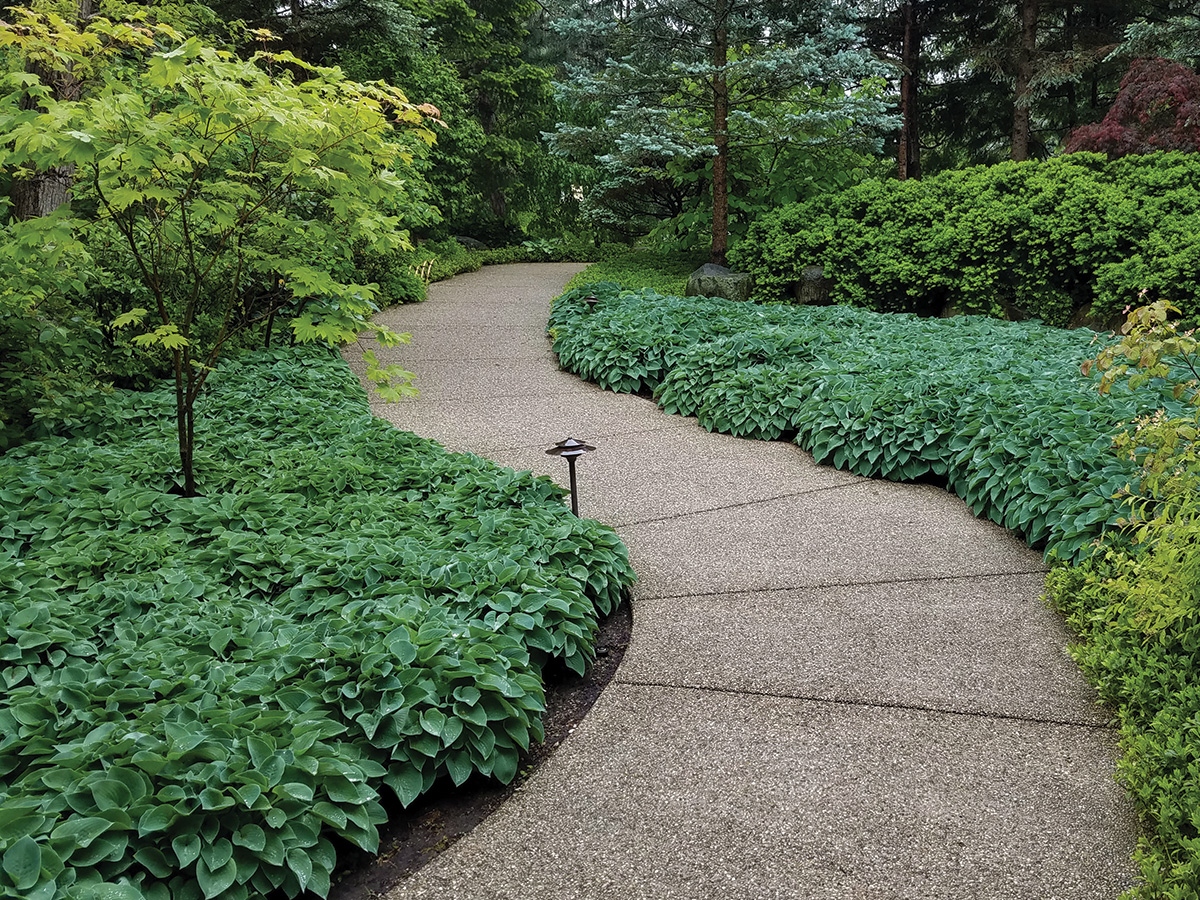
Top Native Ground Covers for Every Yard: Low-Maintenance, Eco-Friendly Options
There are native ground covers for every yard and landscape need.
Why Native Ground Covers Are Worth It
Using native ground cover in your landscape has several benefits. Firstly, these plants are adapted to the soil, temperatures, and pressures of their local range. This makes them less needy, more waterwise, and generally need less maintenance.
Here’s something interesting – native plants support way more wildlife than you’d think. A single oak tree can host over 500 different caterpillar species, while most non-native ornamentals only support about 5[1]. And since 96% of our backyard birds feed insects to their young, planting natives is basically like setting up a bird buffet in your yard[1].
More people are catching on to this too. About 17% of American adults bought native plants in 2024, which is almost double what it was back in 2019[2]. There’s even a “Reduce Your Lawn Day” now (who knew?), and last May people pledged to convert over 10 million square feet of lawn[3]. Some states like Maryland are even making it so HOAs can’t force you to have nothing but grass anymore.
Native ground cover plants will also reduce weeds, conserve moisture, keep the soil cool in summer and warm in winter, and act as a natural mulch. They can save you 60-80% on water compared to traditional landscaping, which is pretty significant when you look at your water bill[4]. Native plants are also hardy to their range, both in summer and winter.
Quick Reference Guide
Here’s a handy chart to help you pick the right plant for your yard:
| Plant | Zones | Light | How Fast | Height | Deer? | Wildlife Benefits |
|---|---|---|---|---|---|---|
| Creeping Phlox | 3-8 | Sun-Part Shade | Medium | 6″ | Resistant | Butterflies love it |
| Bearberry | 2-6 | Sun | Medium | 12″ | Resistant | Birds eat berries |
| Wild Strawberry | 3-10 | Sun-Part Shade | Fast | 6″ | Sometimes | Pollinators, berries |
| Green-and-Gold | 5-9 | Part Shade | Medium | 6-10″ | Resistant | Long blooms |
| Allegheny Pachysandra | 4-9 | Shade | Slow-Medium | 6-10″ | Resistant | Native alternative |
| Wild Stonecrop | 4-8 | Part-Full Shade | Fast | 4-6″ | Resistant | Spring flowers |
| Wild Ginger | 3-8 | Part-Full Shade | Slow | 6″ | Resistant | Host plant |
| Foamflower | 3-8 | Part-Full Shade | Medium | 8-12″ | Resistant | Early pollinators |
| Pennsylvania Sedge | 3-8 | Part-Full Shade | Medium | 6-8″ | Resistant | Lawn alternative |
| Golden Ragwort | 4-9 | Part-Full Shade | Fast | 12-18″ | Resistant | Ivy replacement |
Ground Covers for Different Situations
Shade Plants (Because We All Have That One Spot)
Shade is tricky. That’s where these guys really shine:
Wild Ginger (Asarum canadense) is pretty easy to get going. It handles everything from dappled light to really deep shade. The heart-shaped leaves are kind of fuzzy and make a nice carpet under trees. The flowers hide under the leaves and aren’t much to look at, but they attract these little pollinating flies that are actually important. Space them about 8-10 inches apart and you’ll have decent coverage in maybe 2-3 years.
Foamflower (Tiarella cordifolia) does great in shady, moist spots. The leaves are rounded with neat edges, and in spring you get these white flower spikes that really stand out in low light. Down south the leaves stick around all year, but up north they drop off. Fall color is really nice – reds and oranges. There are some newer varieties like ‘Slickrock’ that spread faster, and ‘Solar Power’ has these bright lime-green leaves that look cool in dark corners.
Allegheny Pachysandra (Pachysandra procumbens) is what you want instead of that Japanese pachysandra everyone’s grandmother planted. It’s semi-evergreen and gets this pretty silver mottling on the leaves in fall and winter. Spring flowers smell good too. Deer don’t touch it and pollinators like it. Not much work – you might need to cut it back once in a while but mostly it just needs regular water. Space them about a foot apart.
Golden Ragwort (Packera aurea) has gotten really popular lately as people realize English ivy is basically the worst. This one puts out bright yellow daisy flowers super early in spring when there’s not much else blooming yet. The leaves stay nice looking through winter. It’s fine in dry shade or wet shade, deer won’t eat it, and it spreads at a good pace. Plant them a foot apart and they’ll fill in within a couple years.
Pennsylvania Sedge (Carex pensylvanica) might be the best lawn substitute for shade. Some garden researchers tested a bunch of sedges and this one made the thickest, most even carpet[5]. It stays 6-8 inches tall, can handle people walking on it sometimes, and you never have to mow it. Plus some butterflies use it. Space the little plugs 6-8 inches apart if you want it to fill in faster.
For Slopes and Erosion
Got a hill that’s giving you problems? These plants have deep roots and will hold that soil:
Creeping Phlox (Phlox subulata) has these needle-like leaves that stay green all year, and in spring you get this crazy carpet of flowers – pink, purple, white, blue, whatever color you pick. Once it’s established it handles dry conditions pretty well, even in sandy soil. Those roots go deep which is great for slopes. Space them 12-15 inches apart and you’ll have coverage in maybe 1-2 seasons. Flowers come April to June and honestly your neighbors will probably stop to look.
Bearberry (Arctostaphylos uva-ursi) is sometimes called kinnikinnick. It likes sun, grows about a foot tall, and the leaves stay on year-round. You get little bell flowers in spring and then red berries that birds really like. It’s super cold hardy – zones 2-6. Not picky about soil at all, even works near the coast where salt spray kills most stuff. It spreads by underground runners and fills in steadily. The berries stick around into winter when birds need them most.
Wild Strawberry (Fragaria virginiana) throws out runners like crazy and makes this woven mat that really grabs onto slopes. Low growing with these cute white flowers that bees go nuts for. The berries are tiny but the flavor is actually way better than store-bought strawberries. Space them 8-12 inches apart.
Fast Spreaders
Need coverage fast? Try these:
Wild Stonecrop (Sedum ternatum) can actually handle shade unlike most sedums. The leaves are thick and usually stay green except way up north. Gets little white star flowers in spring. You can literally just break off a piece and stick it in the ground and it’ll grow – easiest thing ever to propagate. It can fill an area in one growing season if conditions are right. Space them 8-10 inches apart.
Golden Ragwort spreads by underground runners and also drops seeds everywhere. In moist shade it can cover a lot of ground in just 1-2 years. This is one you want where you need something aggressive – just keep an eye on it in smaller gardens.
Deer-Resistant Ones
If deer treat your yard like a salad bar, most of these natives will make them pass:
Wild ginger, pachysandra, foamflower, golden ragwort, and Pennsylvania sedge – deer basically ignore all of them. Wild strawberry they might nibble occasionally but usually leave alone. Creeping phlox and bearberry they also tend to skip.
Green-and-Gold (Chrysogonum virginianum) has these tiny yellow flowers from April all the way to October, which is a really long bloom time. Hardy in zones 5-9. It’s good at the edges of wooded areas where it brightens things up. Deer don’t bother it and it works in both sun and shade.
What NOT to Plant (And What to Use Instead)
Some ground covers sold at garden centers are actually terrible for the environment. Here’s what to avoid:
Skip English Ivy → Plant Golden Ragwort or Wild Ginger instead. English ivy is choking out trees all over the place and harbors pests. Just don’t.
Skip Vinca/Periwinkle → Plant Creeping Phlox or Foamflower instead. Vinca escapes your yard and takes over natural areas.
Skip Japanese Pachysandra → Plant Allegheny Pachysandra instead. Same look basically, but the native one actually supports wildlife.
Skip Lily of the Valley → Plant Wild Ginger or Foamflower instead. Lily of the Valley is toxic and invasive in a lot of places.
Where You Live Matters
Different plants work better in different regions. Here’s what tends to do well:
Northeast (Zones 3-7): Allegheny pachysandra, creeping phlox, foamflower, Pennsylvania sedge, wild ginger. These handle cold winters really well.
Southeast (Zones 6-10): Wild stonecrop, green-and-gold, foamflower, wild ginger, creeping phlox. Good for heat and humidity.
Midwest/Plains (Zones 3-7): Prairie dropseed, wild geranium, prairie smoke work great here, along with creeping phlox and Pennsylvania sedge.
Southwest/California (Zones 7-11): Try coyote brush, California fuchsia, yerba buena. Bearberry does well on the coast.
Pacific Northwest (Zones 6-9): Bearberry (kinnikinnick), inside-out flower, wild ginger (the Western version), Oregon stonecrop.
The Plants
1. Creeping Phlox
There are several fabulous phlox varieties useful for a sunny site in your garden. Prairie phlox (Phlox pilosa) has charming pink flowers and the foliage hangs around. Creeping phlox (Phlox subulata) has needle-like, evergreen leaves and comes in pink, purple, white, or blue. Both handle dry conditions once they’re settled in and can even grow in sandy soil.
How to plant:
- Space them 12-15 inches apart
- Spring or fall planting works
- Usually fills in within 1-2 growing seasons
- Water regularly the first year, then they’re pretty drought-proof
Propagation: You can take 4-6 inch stem cuttings in late spring. Stick them in some moist potting mix and they usually root pretty easily, even without rooting hormone.
2. Bearberry
Bearberry (Arctostaphylos uva-ursi) likes sun and gets about a foot tall with evergreen foliage. The little bell-shaped flowers are nice and it’s super cold hardy – zones 2-6.
Not fussy about soil at all, even works in coastal areas where the salt would kill other plants. Spreads by underground runners and fills in at a steady pace. The red berries stick around into winter and birds eat them when there’s not much else available.
How to plant:
- Space 2-3 feet apart (it’s kind of slow)
- Likes acidic soil but adapts
- Great for sandy or crappy soil
- Takes 3-4 years to really fill in
Tip: Don’t fertilize it. Bearberry actually likes lean soil and fertilizer just makes it grow all leggy and weird.
3. Wild Strawberry
Wild strawberries (Fragaria virginiana) are edible but the berries are tiny compared to the ones you buy at the store. The flavor though – way better. Plants stay low and make these cute white flowers. Bees love them.
How to plant:
- Space 8-12 inches apart
- Spreads fast with runners
- Can cover an area in one season
- Handles people walking on it sometimes
About the berries: They ripen early summer. Super tiny but the flavor is intense. Good for garnishing stuff or making small batches of jam if you’re patient enough to pick that many.
4. Green-and-Gold
Green-and-gold (Chrysogonum virginianum) has tiny yellow flowers from April to October – that’s one of the longest blooming times you’ll get. Hardy zones 5-9. Also called golden star. Works really well at woodland edges where it adds brightness.
How to plant:
- Space 12-15 inches apart
- Sun to part shade
- Makes neat clumps that spread slowly
- Takes 2-3 seasons to fill in
Varieties: There’s ‘Eco Lacquered Spider’ which spreads faster, or ‘Allen Bush’ which stays more compact.
5. Allegheny Pachysandra
Allegheny pachysandra (Pachysandra procumbens) is semi-evergreen with leaves that get this cool silver-gray mottling in fall and winter. White flowers in early spring smell nice. Deer leave it alone and pollinators like it when not much else is blooming yet. Pretty low-maintenance – might need cutting back once in a while but mostly just needs water.
How to plant:
- Space 12 inches apart
- Likes rich, moist soil
- Takes a while to get going but it’s worth it
- Coverage in 2-3 years
Why native matters: Japanese pachysandra (P. terminalis) is everywhere and does absolutely nothing for wildlife. This native version actually helps.
6. Wild Stonecrop
Wild stonecrop (Sedum ternatum) can actually handle shade, which is unusual for sedums. The leaves are thick and usually evergreen except way up north. Gets white star flowers in spring. You can literally break off a stem, stick it in soil, and it’ll grow. Sometimes spreads a bit too well if conditions are perfect, so keep that in mind.
How to plant:
- Space 8-10 inches apart
- Handles dry shade (not many plants do this)
- Fast coverage – sometimes in one season
- Can get aggressive in the right conditions
Propagation: Easiest plant ever. Snap off a piece, stick it in dirt, done. It’ll root.
7. Wild Ginger
Wild ginger (Asarum canadense) is easy to get started and doesn’t need much. Handles dappled light or full shade, so it’s good for under trees. The heart-shaped leaves are kind of fuzzy with interesting texture. The flowers hide under the leaves in these burgundy-brown clusters. They attract little pollinating flies which are apparently important.
How to plant:
- Space 8-10 inches apart
- Likes rich, moist woodland soil
- Slow but reliable spreader
- Dense mat in 2-3 years
Fun fact: The roots smell like ginger, which is why it’s called that. People used to use it as a spice substitute, though it’s not actually related to real ginger.
8. Foamflower
Foamflower (Tiarella cordifolia) does great in shady, moist spots. Rounded leaves with neat lobed edges, and these white flower spikes in spring that look like foam. In the South the leaves stay on year-round, but up north they drop. Fall color is really nice – reds and oranges.
How to plant:
- Space 12 inches apart
- Needs consistently moist soil
- Spreads at a medium pace via stolons
- Coverage in 2 years
Some varieties:
- ‘Slickrock’ spreads the fastest
- ‘Solar Power’ has lime-green leaves that pop in shade
- ‘Spring Symphony’ gets pinkish flowers
9. Pennsylvania Sedge
Pennsylvania sedge (Carex pensylvanica) makes a soft, fine-textured carpet that stays 6-8 inches tall. You never have to mow it. Some research place tested a bunch of sedges and this one did the best for making a thick, even mat.
How to plant:
- Space plugs 6-8 inches apart for faster fill-in, 12 inches if you’re being cheap
- Handles people walking on it lightly
- Good in dry to medium shade
- Dense in 2-3 years
Care: Literally nothing. Don’t mow, don’t fertilize, don’t water after it’s established. Set it and forget it.
10. Golden Ragwort
Golden ragwort (Packera aurea) has gotten really popular as people realize English ivy is a disaster. Makes tons of bright yellow daisy flowers in early spring when pollinators really need nectar. Leaves look good year-round. Handles wet or dry shade. Deer and rabbits don’t eat it. Spreads at a good clip.
How to plant:
- Space 12 inches apart
- Works in wet shade or dry shade
- Fast spreader – 1-2 years for coverage
- Can get aggressive in perfect conditions
Where to use it: Under established trees where grass has given up. It handles that dry, root-filled shade that kills most plants.
How to Actually Plant These Things
Getting the Site Ready (Don’t Skip This Part)
The biggest reason ground covers fail is people don’t prep the site. Here’s what works:
- Get rid of weeds first. All of them. Ground covers can’t beat out weeds that are already established. Pull them out roots and all.
- Fix your soil if it sucks. Most native ground covers aren’t too picky, but throwing some compost on top and mixing it in a bit gives them a better start.
- Space them right. Follow the spacing I mentioned for each plant. Too close = disease problems. Too far = weeds take over before they fill in.
- Mulch between plants at first. Put down an inch or two of shredded leaves between plants to keep weeds down while everything fills in. Eventually the plants replace the mulch.
Watering
Even drought-tolerant stuff needs water the first year:
- First month: Water 2-3 times a week if it doesn’t rain
- Months 2-6: Once a week if dry
- Rest of first year: Only when it’s really dry
- After that: Just during bad droughts
How to Make More Plants
Division (works for: pachysandra, wild ginger, foamflower, sedges)
Dig up clumps in early spring or fall. Pull or cut them into pieces that each have roots. Replant right away at the same depth. Pretty much always works.
Stem Cuttings (works for: phlox, sedum, thyme)
Cut 4-6 inch pieces in late spring. Pull off the bottom leaves. Stick them in damp potting mix and keep it humid but not soaking. They’ll root in 2-4 weeks. Rooting hormone helps but isn’t necessary.
Seeds (trickier)
A lot of natives need cold stratification. Collect seeds in fall when they’re dry. Mix with damp sand in a plastic bag and stick it in your fridge for 30-90 days depending on what it is. Then plant them in spring on top of the soil and keep them moist. Success varies a lot.
Stuff People Mess Up
Buying the wrong plants at the garden center
English ivy, periwinkle, Japanese pachysandra all sound good when you’re shopping but they escape your yard and cause problems. Stick with actual natives.
Spacing them wrong
Just follow the spacing guidelines. Planting them closer doesn’t make them fill in faster, it just gives you disease issues and wastes money.
Putting fast and slow growers together
Don’t plant wild stonecrop next to slow wild ginger. The stonecrop will just take over. Group plants that spread at similar rates.
Adding fertilizer
Most natives like lean soil. Fertilizer makes them grow all floppy and weak and then they get pests.
Expecting instant results
Ground covers take time. Usually 1-3 years to really fill in. Just be patient.
Wrong light conditions
A shade plant in sun will fry. A sun plant in shade will be thin and scraggly. Match plants to where you’re putting them.
Some Design Ideas
The “Soft Landings” Thing
This ecologist Heather Holm came up with this idea of planting ground covers under big trees to help caterpillars[6]. A lot of caterpillars drop from trees when they’re ready to pupate. If they hit bare dirt or mulch they’re pretty much toast. But if there’s living ground cover down there, they’ve got cover and moisture. Plant stuff like foamflower, Pennsylvania sedge, or wild ginger under oaks, willows, or cherries.
Plants That Look Good Together
Woodland combo: Wild ginger on bottom, Allegheny pachysandra for mid-height, some Christmas ferns for vertical interest. Different textures, blooms from early spring through summer.
Spring color: Foamflower (white), creeping phlox (pink/purple), golden ragwort (yellow). They bloom around the same time with colors that look good together.
For pollinators: Green-and-gold (April-October), wild strawberry (May-June), creeping phlox (April-May). Something blooming from early spring to frost.
Using Ground Covers Instead of Mulch
You can replace wood mulch under shrubs and trees with living ground covers. Benefits:
- Save money (wood mulch has to be replaced every year)
- Better for soil (ground covers add organic matter constantly)
- Wildlife habitat (bugs and ground-nesting bees use it)
- Stays put (doesn’t blow or wash away)
Best ones for this: golden ragwort, wild stonecrop, Pennsylvania sedge, wild ginger
Replacing Your Lawn
Alternatives to traditional lawns are becoming more and more popular. This is because the typical lawn requires a lot of maintenance and resources. The mowing, weed control, edging, water, and fertilizer needs of a lawn are extremely high. People spend like $616 a year on average on lawn and garden stuff, mostly for the lawn[7].
Substituting native plants, with their easy to grow nature, can reduce much of that upkeep and care and actually do something good for the environment.
Lawn Alternatives for Different Spots
Sunny areas: Plants like creeping phlox, creeping thyme, or creeping juniper are all excellent options to replace the traditional lawn in full sun. They stay low, can handle some foot traffic, and you never have to mow them.
Shady areas: Pennsylvania sedge is hands-down the best for shade. Can handle light foot traffic, stays 6-8 inches tall on its own, and grows where grass gives up. Plant the little plugs 6-8 inches apart, water the first year, then you’re basically done forever.
Wet spots: Golden ragwort makes a thick carpet in spots that stay damp, where grass usually gets weedy and thin. Looks good year-round and the spring flowers are bright yellow.
Moss Lawns
Growing a moss lawn is another way to get that green carpet without all the work. Irish moss isn’t actually moss despite the name – it’s a flowering plant – but makes a similar effect. For real moss lawns in shady, acidic spots, you can encourage moss that’s already there by:
- Not walking on it much while it’s getting established
- Keeping it moist
- Raking off leaves fast in fall
- Never using fertilizer (moss hates nutrients)
Using Violets as Lawn
Common blue violet (Viola sororia) is pretty cool. It’s native to eastern North America and spreads both by seed and underground runners. Heart-shaped leaves with violet-blue flowers in spring (sometimes white or speckled ones show up). Can handle different light conditions and even some foot traffic.
Fair warning though – violets seed everywhere and you’ll find them all over eventually. If you like a perfect lawn this will drive you nuts. But if you’re into the cottage garden look, they’re really nice.
Common Questions
What’s the best ground cover for shade?
For really deep, dry shade, Pennsylvania sedge and wild ginger work best. If it’s moister shade, try foamflower or Allegheny pachysandra. Golden ragwort handles pretty much any kind of shade, wet or dry.
Which one spreads the fastest?
Wild stonecrop and golden ragwort are the speed demons – often full coverage in 1-2 growing seasons. Wild strawberry’s close behind. For slower but easier to control, go with foamflower or creeping phlox.
Do deer eat these?
Deer avoid wild ginger, Allegheny pachysandra, foamflower, golden ragwort, Pennsylvania sedge, and green-and-gold. They might nibble wild strawberry occasionally but usually leave it. Creeping phlox and bearberry they skip too.
How long until they fill in?
- Fast ones (wild stonecrop, golden ragwort, wild strawberry): 1-2 years
- Medium speed (foamflower, phlox, Pennsylvania sedge, green-and-gold): 2-3 years
- Slow ones (wild ginger, Allegheny pachysandra, bearberry): 3-4 years
Spacing them right and prepping the site well can speed this up.
Can you walk on them?
- Light traffic: Pennsylvania sedge, creeping thyme, wild strawberry, common blue violet
- Once in a while: Creeping phlox, wild stonecrop
- Not really: Everything else
Even the traffic-tolerant ones need a full growing season to get established before you start walking on them regularly.
Do they need fertilizer?
Nope. Most natives evolved in crappy soil and fertilizer just makes them grow weak and leggy. Exception – if your soil is really terrible (heavy clay, pure sand, super compacted), add compost when you plant, then leave them alone.
What if they spread too much?
Put in barriers (edging, paths, deep mulch) around the vigorous spreaders like golden ragwort and wild stonecrop. Pull or divide the extra stuff every spring or fall. Remember one person’s aggressive spreader is another person’s perfect plant for a tough spot.
Wrapping Up
The key thing with native ground covers is matching them to where you’re planting and being patient while they get established. That first year they might just sit there – they’re growing roots. Second year you’ll see them spread. By year three you’ll have the coverage you wanted.
Here’s what’s cool about ground covers – they get better with age. Unlike annuals you have to replant every year or perennials that need dividing, ground covers just keep getting nicer and more established and need less work every year. They build up the soil, help wildlife, save water, and look good doing it.
Try some of these great native ground covers to fill in that bare spot in your garden. Or maybe this has inspired you to finally get rid of that lawn!
Quick steps to get started:
- Look at your site – sun or shade? Wet or dry? Flat or sloped?
- Pick 2-3 plants that fit from the list above
- Prep the site (get rid of weeds, add some compost)
- Plant at the right spacing
- Water consistently the first year
- Be patient
In a few years you’ll have a ground cover setup that basically takes care of itself and supports local wildlife and uses way less resources. Win-win.
Key Sources
[1] Tallamy, Douglas W. “Bringing Nature Home: How You Can Sustain Wildlife with Native Plants.” University of Delaware, Department of Entomology and Wildlife Ecology. https://www.nwf.org/nativeplantfinder/about
[2] National Wildlife Federation. “2024 National Gardening Survey Results.” Press Release, May 1, 2024. https://www.nwf.org/Home/Latest-News/Press-Releases/2024/5-1-24-National-Gardening-Survey
[3] American Meadows. “2024 Reduce Your Lawn Day Success Results.” News Room, 2024. https://www.americanmeadows.com/content/news-room/2024-reduce-your-lawn-day-results
[4] UC Davis Water Management. “Water-Efficient Landscaping Study: Native vs. Traditional Landscapes.” California Water Efficiency Partnership
[5] Mt. Cuba Center. “Carex for the Mid-Atlantic Region: Native Sedge Trials Report.” Hockessin, Delaware, 2023. https://mtcubacenter.org/trials/carex-for-the-mid-atlantic-region/
[6] Holm, Heather. “Pollinators of Native Plants: Attract, Observe and Identify Pollinators and Beneficial Insects with Native Plants.” Pollination Press, 2014
[7] National Gardening Association. “2022 National Gardening Survey: Household Spending on Lawn and Garden.” Garden Research, 2022
Additional Research Sources:
Penn State Extension. “Native Groundcovers Can Solve Tough Challenges in the Landscape.” https://extension.psu.edu/native-groundcovers-can-solve-tough-challenges-in-the-landscape
Brooklyn Botanic Garden. “Native Groundcovers: Sustainable Choices for Sun and Shade.” https://www.bbg.org/article/native_groundcovers
National Wildlife Federation. “About Native Plant Finder: Database Information.” https://www.nwf.org/nativeplantfinder/about
Penn State Center for Pollinator Research. “Provide Food Sources.” https://pollinators.psu.edu/landscaping-for-pollinators/
Plant NOVA Natives. “Groundcovers.” https://www.plantnovanatives.org/groundcovers
Pacific Horticulture. “Native Groundcover Communities for Biodiversity, Habitat, and Beauty.” https://pacifichorticulture.org/articles/blanket-the-ground-pnw-native-groundcover-communities-for-biodiversity-habitat-and-beauty/
Lady Bird Johnson Wildflower Center: https://www.wildflower.org
For the most current information on native plants for your specific region, consult your local native plant society or university extension service.
