Spring Bulb Planting Guide: Science-Based Tips That Work
Alright so here’s the thing about spring bulbs. Everyone thinks they’re foolproof – just stick them in the ground in fall and boom, spring flowers, right? Well, sort of. But after watching my neighbor’s tulips fail to come back for the third year in a row while mine keep multiplying, I realized there’s actually a lot of science behind why some bulb plantings thrive and others just… don’t.
I’ve been growing spring bulbs for years now, and I’ve definitely made my share of mistakes. Like the time I planted 50 tulip bulbs only to have squirrels dig up half of them. Or when I didn’t understand chilling requirements and wondered why my bulbs in Zone 8 looked pathetic. So I started reading actual horticultural research instead of just blog posts, and honestly? It explains so much.
Here’s what actually matters for getting those spectacular spring displays that come back year after year.
Why Bulbs Need Cold (The Science Part That’s Actually Interesting)
Most people know spring bulbs need to be planted in fall, but not everyone understands why. It’s not just about timing – it’s about vernalization, which is basically the plant’s internal switch that tells it when to bloom.
Here’s how it works: inside that tulip or daffodil bulb you’re holding, next spring’s flower is already there, fully formed in miniature[1]. But the bulb has this gene called FLC that actively prevents flowering. Cold temperatures trigger epigenetic changes – chemical modifications to how the DNA is packaged – that silence this blocking gene[2]. Only after 12-17 weeks of temperatures between 35°F and 48°F will the bulb actually be able to bloom properly[3].
This is why tulips struggle in warm climates. They literally don’t get the cold signal their biology requires. And it’s why you can’t just plant bulbs whenever you feel like it – they need that long, consistent cold period.
Different bulbs have different requirements though. Tulips and daffodils need the full 15-17 weeks of cold[3]. Hyacinths can manage with 12-15 weeks. Crocuses are more flexible. Knowing this helps explain why some years your bulbs bloom great and other years they’re disappointing – it depends on whether winter provided enough consistent cold.
Getting to Know Your Bulbs (They’re Not All the Same)
So first off, not everything we call a “bulb” is technically a bulb. True bulbs like tulips, daffodils, and hyacinths are made of modified leaves (scales) wrapped around a compressed stem, all anchored by a basal plate where roots emerge[1]. Crocuses grow from corms, which are solid compressed stems. But gardeners group them together because they have similar needs.
Tulips – Beautiful But High-Maintenance
Tulips (Tulipa spp.) originally came from Central Asia’s mountains and there are over 3,000 registered varieties now[4]. They bloom mid to late spring in basically every color except true blue.
Here’s what most articles don’t tell you: hybrid tulips are often one-and-done in many climates. They bloom spectacularly the first year, then decline or disappear[5]. This isn’t you failing – it’s because modern hybrid tulips were bred for the cut flower industry in Holland where they get dry summers and cold winters. Your climate probably doesn’t match that.
Darwin hybrids and species tulips are better at coming back year after year. If you want tulips that perennialize, stick with those types.
Daffodils – The Reliable Ones
Daffodils (Narcissus spp.) are what you want if you actually want your bulbs to last. A well-sited daffodil planting can persist for decades, multiplying without any help[6]. There are 32,000+ registered cultivars across different divisions – trumpet, large-cupped, small-cupped, double, jonquil, and more.
The killer feature of daffodils: they contain lycorine and other alkaloids that make them toxic to deer, rabbits, voles, and squirrels[7]. If you have wildlife pressure, daffodils are your answer. Tulips and crocuses? Rodent candy. Daffodils? They won’t touch them.
Hyacinths – For Fragrance
Hyacinths (Hyacinthus orientalis) deliver the most intense fragrance of any spring bulb. Those densely packed flower spikes in white, pink, blue, and purple are amazing[8]. They force exceptionally well indoors too.
The flower spikes tend to get looser after the first year as bulbs multiply, but they still come back reliably in most climates.
Crocuses – The Early Ones
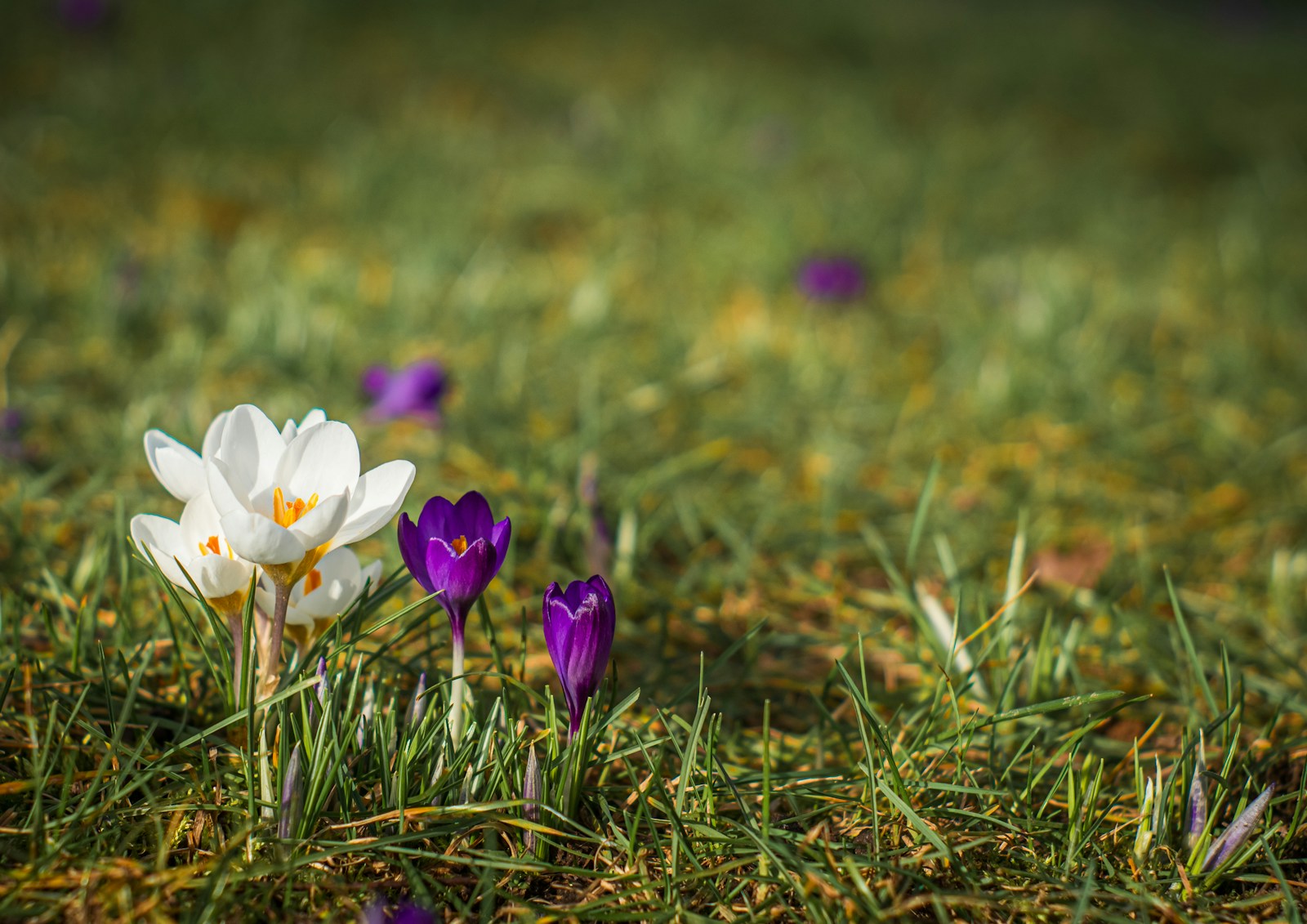
Crocuses show up earliest, often pushing through snow[9]. These corms naturalize readily in lawns if you can avoid mowing until their foliage matures (usually by late May or early June).
Dutch crocuses are the big showy ones. Species crocuses are smaller but tougher and multiply faster.
Alliums – The Weird Architectural Ones
Alliums bridge spring into summer with those drumstick-shaped flower heads[10]. They range from golf ball to volleyball size. Their onion-family chemistry repels most pests, and the dried seed heads provide interest for months.
Small Bulbs – The Easy Naturalizers
Grape hyacinths (Muscari), snowdrops (Galanthus), glory-of-the-snow (Chionodoxa), and Siberian squill (Scilla) offer the easiest path to naturalization[11]. They spread through both offsets and seed. Plant them once and they just keep going.
Soil: The Make-or-Break Factor
Here’s the non-negotiable requirement: drainage. Bulbs sitting in waterlogged soil rot. Period. The fungi responsible for basal rot (Fusarium) and Pythium root rot thrive in saturated conditions[12].
Test your drainage by watching what happens after heavy rain. If puddles stick around more than 5-6 hours, you’ve got a problem[13].
For clay soils, you need to amend. Work organic matter into the top 12-18 inches. A good target is one part loamy soil, one part organic matter (compost or aged leaf mold), one part coarse sand[13]. Never amend just the planting hole – this creates a basin that collects water and makes things worse.
The optimal soil pH for spring bulbs is 6.0 to 7.0 – slightly acidic to neutral[14]. At extremes outside this range, nutrient uptake becomes inefficient. Most gardeners never need to specifically adjust pH for bulbs, but if you’re having unexplained problems, test it.
Planting Depth Actually Matters
The conventional wisdom – plant bulbs at a depth of two to three times their height – actually holds up under scrutiny[15]. For large bulbs like tulips and daffodils, this means 6-8 inches deep measured from the soil surface to the bulb’s bottom. Hyacinths go 4-6 inches. Crocuses and small bulbs settle in at 3-4 inches[15].
Why does depth matter so much? Several reasons:
- Insulation – Deep planting protects from temperature swings and freeze-thaw cycles that can heave bulbs out of the ground[16]
- Stronger stems – Forcing shoots to develop more structural tissue during their upward journey produces sturdier plants[16]
- Pest management – Squirrels typically dig only a few inches deep. Bulbs planted at 8 inches or deeper often escape predation entirely[17]
Adjust based on your soil. In sandy soils that drain fast, plant an inch or two deeper. In heavy clay, go slightly shallower. Cold-climate gardeners (Zones 3-4) can plant large bulbs a full 8-10 inches deep for extra winter protection[15].
Spacing follows simpler rules: 4-6 inches apart for large bulbs, 2-3 inches for small ones[15]. Mass plantings look best in odd-numbered groups – clusters of 7, 11, or 25 bulbs create more natural drifts than evenly spaced rows.
Timing By Climate Zone (Not Just “Before Frost”)
The ideal planting window opens when soil temperatures drop to around 50-55°F but before the ground freezes[18]. Bulbs need 2-3 weeks to establish roots before deep cold arrives.
Zones 3-4: Mid-September to mid-October. You’re working with a narrow window before the ground freezes solid.
Zones 5-6: September through October is ideal. Bulbs planted as late as December often succeed if the ground remains workable[18].
Zones 7-8: Wait until late October through late December when soil has cooled adequately. If you plant too early when it’s still warm, tulips are susceptible to diseases like tulip fire[19].
Zones 9-10: This is where it gets tricky. Most spring bulbs require pre-chilling in a refrigerator for 12-16 weeks before planting in late fall or early winter[20]. Store bulbs in paper bags (never plastic) at 40°F, away from ripening fruit – the ethylene gas from apples can damage the embryonic flower[20].
Some bulbs tolerate warm climates better. Daffodils, paperwhites, freesias, and ranunculus often receive sufficient natural chilling in Zones 7-8 without refrigerator treatment[20]. Hybrid tulips typically struggle and are best treated as annuals in these regions.
The general rule I follow: start the transition process 2-3 weeks before your area’s typical first frost date. Not the night before.
Step-By-Step Planting That Works
Start by choosing a site with six or more hours of direct sun daily and good drainage[21]. Spring bulbs can go under deciduous trees since they bloom before leaf-out creates significant shade. Avoid south-facing foundation plantings where reflected heat may trigger premature emergence during winter warm spells[21].
Site Preparation
- Work organic matter into soil to a depth of 12 inches or more
- If soil test shows low phosphorus (and only if), incorporate superphosphate or bone meal at root zone depth[22]. Phosphorus doesn’t move through soil, so surface applications won’t reach developing roots
- Don’t add bone meal unless you need it – it can attract digging animals[17]
Actual Planting
Dig a hole or trench to appropriate depth. For large quantities, excavating an entire bed works faster than individual holes. Set bulbs pointed end up, basal plate down[15]. If you can’t tell which end is which, plant the bulb on its side – it’ll figure out which way to grow.
Tulip bulbs produce their largest leaf from the flat side. In formal plantings, orienting this side outward creates more uniform appearance[23].
After planting, water thoroughly to settle soil and initiate root growth. Apply 2-3 inches of mulch after the ground freezes (not immediately after planting) using shredded bark, straw, or leaf mulch[24]. This moderates temperature fluctuations. Skip mulching small early bloomers like snowdrops that need to emerge without obstruction.
Common Problems (And What Research Says About Fixing Them)
Tulip Fire – The Serious One
Tulip fire (Botrytis tulipae) is the most serious fungal disease affecting tulips[25]. Symptoms include stunted, twisted shoots and tan spots on leaves that develop fuzzy gray mold in humid conditions.
The fungus produces sclerotia – small black survival structures that persist in soil for years[25]. Prevention involves:
- Purchasing disease-free bulbs
- Never planting tulips in the same location two years running
- Immediately removing infected plants and surrounding soil
- Providing adequate spacing for air circulation
Once tulip fire appears, that site should remain tulip-free for at least three years[26].
Basal Rot
Basal rot (Fusarium oxysporum) shows as brown lesions on bulbs and white or pink fungal growth[12]. Inspect bulbs carefully before planting and discard any showing discoloration or soft spots. Well-drained soil is the best preventive.
Rodent Damage
This plagues tulip and crocus growers in particular. Daffodils, alliums, and fritillarias escape predation thanks to toxic compounds[7].
For vulnerable bulbs, hardware cloth (½-inch mesh) cages provide effective protection – line the bottom and sides of the planting area[17]. Planting deeper helps too. Most squirrels won’t dig beyond 6 inches[17].
Blind Bulbs (Leaves But No Flowers)
Causes include:
- Inadequate chilling (especially near warm foundations)
- Planting too shallow
- Overcrowding that depletes nutrients
- Removing foliage before it yellows naturally
- Simple bulb exhaustion after several years
Darwin hybrid and species tulips resist decline better than other tulip types[5].
Feeding Bulbs Properly
Bulbs arrive packed with stored energy, but they need replenishment after flowering to perform well in subsequent years[22]. The critical nutrients are phosphorus for root development and flower formation, and potassium for overall vigor.
Choose fertilizers with NPK ratios around 5-10-10 or 10-10-10 – equal or higher in phosphorus and potassium relative to nitrogen[22]. Apply in fall when planting new bulbs and again in early spring as shoots emerge. A typical rate is 2-3 pounds of 5-10-5 per 100 square feet.
The bone meal debate: traditional recommendations call for bone meal at planting, but research from multiple universities suggests it’s often unnecessary[22]. Most garden soils contain adequate phosphorus already, bone meal only releases nutrients in acidic soils (pH below 7.0), and bone meal can attract digging animals including skunks and dogs[17].
Post-Bloom Care Determines Next Year
The six weeks after flowers fade represent the most critical period. The foliage remaining after bloom photosynthesizes to replenish the bulb’s carbohydrate stores and form next year’s flower bud[27].
Leave foliage completely alone until it yellows and pulls away easily – typically six weeks for most bulbs, but a full eight weeks for daffodils[27]. If dying foliage bothers you, interplant bulbs with emerging perennials like hostas, daylilies, or catmint that mask the decline[28].
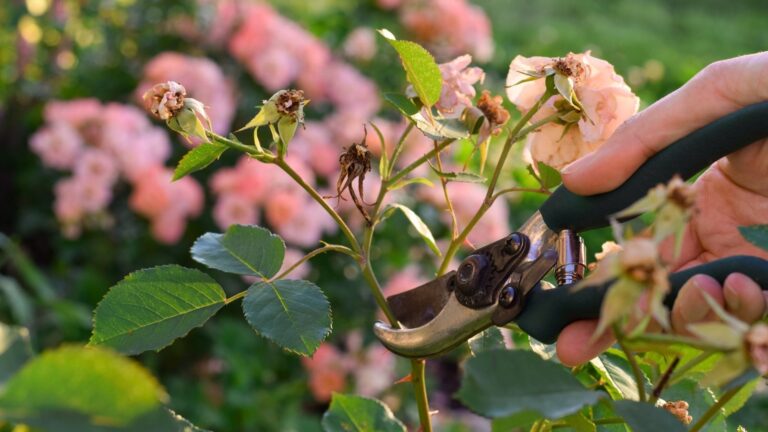
Deadhead spent flowers promptly to prevent seed formation, which diverts energy from bulb storage[27].
Growing Bulbs in Containers
Containers offer flexibility but require modifications to standard practice.
Use containers at least twice as deep as your bulbs with drainage holes absolutely essential[29]. Select soilless potting mix or blend equal parts garden soil, sharp sand, and peat moss. Never use garden soil alone, which compacts and holds too much moisture.
Bulbs can be planted much closer in containers than in the ground – nearly touching for dramatic massed effect[29]. A 6-inch pot accommodates 5-7 tulips or 10-12 crocuses. The “lasagna” layering technique stacks bulbs at different depths for extended bloom sequences[30].
Container bulbs face greater cold exposure than in-ground plantings. The “go two zones colder” rule applies: select bulbs rated for two hardiness zones colder than your actual zone[29]. Protect containers through winter by burying them in garden trenches covered with mulch, storing in unheated garages, or insulating with straw bales.
Forcing Bulbs Indoors
For forcing bulbs into winter bloom indoors, pot in autumn and provide 12-16 weeks of cold treatment at 35-48°F[31]. After chilling, move to cool bright window. Most bulbs flower 3-4 weeks after warming. Paperwhites and amaryllis skip the chilling requirement entirely[31].
Forced bulbs rarely return to full vigor. Most gardeners treat them as disposable, though soil-grown forced bulbs can be transplanted to the garden where they may recover after a year or two of rebuilding.
What People Mess Up
Planting too early in warm climates – Waiting for soil to cool prevents disease issues[19]
Not adjusting for their specific bulb varieties – Hybrid tulips have different requirements than species tulips[5]
Expecting all tulips to come back – They’re bred as annuals in many climates[5]
Removing foliage too early – This is probably the #1 reason bulbs decline[27]
Not providing enough drainage – More bulbs die from rot than anything else[12]
Planting in the same spot repeatedly – Disease buildup, especially for tulips[26]
Using fresh manure or high-nitrogen fertilizer – Encourages soft growth and disease[22]
Quick Reference Guide
By Bloom Time
Early Spring (Feb-March): Snowdrops, winter aconite, early crocuses Mid Spring (March-April): Daffodils, hyacinths, most crocuses, early tulips Late Spring (April-May): Later tulips, alliums, late daffodils Early Summer (May-June): Late alliums
By Light Requirements
Full Sun: Tulips, hyacinths, alliums, crocuses Part Shade: Daffodils, grape hyacinths Shade Tolerant: Snowdrops, wood anemones, some species crocuses
By Rodent Resistance
Avoid: Daffodils, alliums, fritillarias, snowdrops Eat: Tulips, crocuses
What Actually Makes The Difference
After reading all the research and growing bulbs for years, here’s what really matters:
- Match bulbs to your climate – Don’t fight biology. If you’re in Zone 9, accept that hybrid tulips won’t perennialize
- Drainage trumps everything – More bulbs fail from rot than all other causes combined
- Depth matters for reasons beyond conventional wisdom – It’s about insulation, strength, and pest avoidance
- The foliage period is non-negotiable – Those six weeks determine next year’s show
- Different bulbs have completely different requirements – Don’t treat all spring bulbs the same
The research backs up what experienced gardeners figured out through trial and error. Gradual understanding of vernalization explains why timing matters so much. Soil studies confirm that drainage is critical. Pest research validates why deeper planting helps with rodents.
Start with bulbs that match your climate, get the drainage right, plant at proper depth and timing, then leave the foliage alone after bloom. That’s really what it comes down to.
Your bulb gardens will look actually spectacular instead of just okay.
Sources
[1] Wikipedia. “Bulb.” https://en.wikipedia.org/wiki/Bulb
[2] Journal of Cell Science. “Vernalization – a cold-induced epigenetic switch.” https://journals.biologists.com/jcs/article/125/16/3723/32471/
[3] University of Wisconsin Extension. “Forcing Bulbs.” https://hort.extension.wisc.edu/articles/forcing-bulbs/
[4] Missouri Botanical Garden. “Tulipa (group).” https://www.missouribotanicalgarden.org/PlantFinder/PlantFinderDetails.aspx?kempercode=c252
[5] Gardening Know How. “Getting Tulips To Bloom Every Year.” https://www.gardeningknowhow.com/ornamental/bulbs/tulips/tulips-bloom-every-year.htm
[6] Chicago Botanic Garden. “Daffodils.” https://www.chicagobotanic.org/plantinfo/daffodils
[7] House Digest. “The Gorgeous Flower That Doubles As A Powerful Rat Repellent.” https://www.housedigest.com/1920986/daffodil-plant-repel-rats-pest-in-garden/
[8] University of Illinois Extension. “Bulbs.” https://extension.illinois.edu/flowers/bulbs
[9] ShunCy. “Discovering The Native Origins Of Snowdrops And Crocus.” https://shuncy.com/article/where-are-snowdrops-and-crocus-native-to
[10] Almanac. “Rodent-proof Flower Bulbs.” https://www.almanac.com/rodent-proof-flower-bulbs
[11] Iowa State Extension. “Selecting and Planting Spring-Blooming Bulbs.” https://yardandgarden.extension.iastate.edu/how-to/selecting-and-planting-spring-blooming-bulbs
[12] University of Minnesota Extension. “Planting bulbs, tubers and rhizomes.” https://extension.umn.edu/how/planting-bulbs-tubers-and-rhizomes
[13] Van Engelen. “Soil Good for Flower Bulbs.” https://www.vanengelen.com/soil.html
[14] Penn State Extension. “Plant Bulbs in the Fall for a Spring Celebration.” https://extension.psu.edu/plant-bulbs-in-the-fall-for-a-spring-celebration
[15] Penn State Extension. “Bulbs, Corms, Rhizomes and Tubers.” https://extension.psu.edu/programs/master-gardener/counties/chester/how-to-gardening-brochures/bulbs-corms-rhizomes-and-tubers
[16] University of Illinois Extension. “Planting Bulbs.” https://extension.illinois.edu/flowers/planting-bulbs
[17] Longfield Gardens. “How to Protect Fall Bulbs from Chipmunks and Squirrels.” https://www.longfield-gardens.com/article/how-to-protect-fall-bulbs-from-chipmunks-and-squirrels
[18] Rutgers NJAES. “Spring Flowering Bulbs.” https://njaes.rutgers.edu/fs1220/
[19] Midwest Garden Tips. “Prepare for and Plant Flowering Bulbs.” https://www.midwestgardentips.com/planting-bulbs
[20] Van Engelen. “Flower Bulbs for Warmer Climates.” https://www.vanengelen.com/tips_a.html
[21] Iowa State Extension. “Care of Spring-Flowering Bulbs after Bloom.” https://yardandgarden.extension.iastate.edu/how-to/care-spring-flowering-bulbs-after-bloom
[22] Gardening Know How. “How To Prepare And Fertilize Soil For Bulb Plants.” https://www.gardeningknowhow.com/ornamental/bulbs/bgen/preparing-soil-for-bulbs-and-fertilizing-bulbs.htm
[23] University of Illinois Extension. “Planting Bulbs.” https://extension.illinois.edu/flowers/planting-bulbs
[24] Clemson HGIC. “Spring-Flowering Bulbs.” https://hgic.clemson.edu/factsheet/spring-flowering-bulbs/
[25] University of Illinois IPM. “Tulip Fire or Botrytis Blight.” http://ipm.illinois.edu/diseases/series600/rpd609/
[26] Penn State Extension. “Tulip Diseases.” https://extension.psu.edu/tulip-diseases
[27] Iowa State Extension. “Care of Spring-Flowering Bulbs after Bloom.” https://yardandgarden.extension.iastate.edu/how-to/care-spring-flowering-bulbs-after-bloom
[28] Penn State Extension. “Spring Bulbs and Perennials Make Perfect Companions.” https://extension.psu.edu/programs/master-gardener/counties/adams/news/spring-bulbs-and-perennials-make-perfect-companions
[29] Rutgers NJAES. “Spring Flowering Bulbs.” https://njaes.rutgers.edu/fs1220/
[30] University of Wisconsin Extension. “Forcing Bulbs.” https://hort.extension.wisc.edu/articles/forcing-bulbs/
[31] Penn State Extension. “Forcing Flowering Bulbs for Indoor Beauty.” https://extension.psu.edu/forcing-flowering-bulbs-for-indoor-beauty