
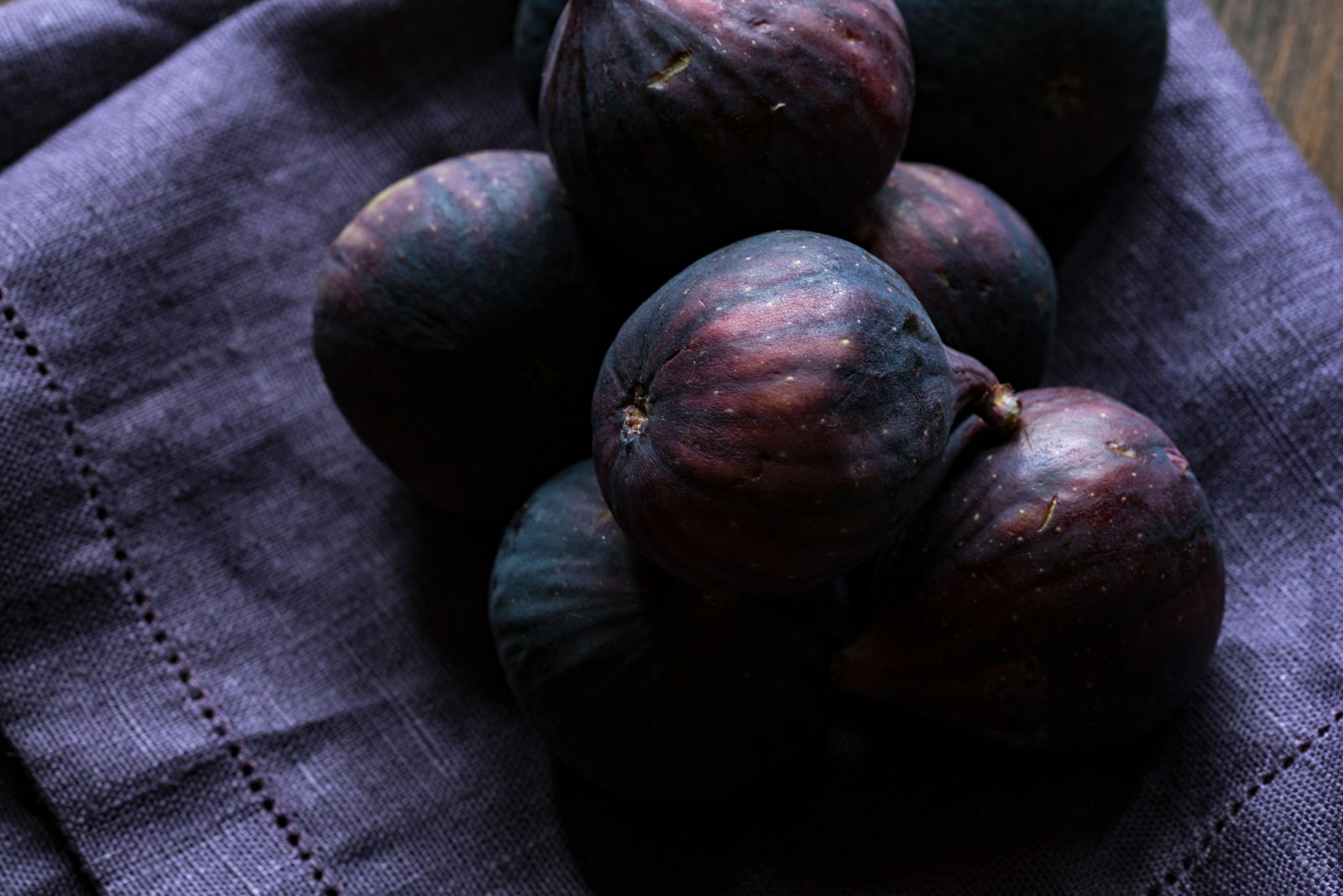
Do Figs Really Have Dead Wasps Inside? The Real Truth
Okay so here’s the thing about fig wasps that literally everyone gets wrong. You’ve probably heard that figs have dead wasps inside them, right? And maybe you’ve been slightly grossed out about it?
Well, those crunchy bits you’re feeling in your fig? They’re seeds. Just regular seeds. Not wasp parts.
But the actual story of fig wasps is way more interesting than the urban legend version. I spent weeks going down this rabbit hole of reading actual scientific studies (the boring peer-reviewed kind), and what I found completely changed how I think about the figs growing in my yard.
Here’s what actually matters if you’re growing figs or just buying them at the store: most figs never see a wasp. Like literally never. The figs you’re eating from the grocery store? Almost certainly wasp-free. The varieties people grow in their backyards? Usually don’t need wasps at all.
This relationship between figs and wasps goes back something like 75 to 90 million years [1], which is absolutely wild. Scientists call it an obligate mutualism – basically neither can complete their life cycle without the other [2]. But – and this is the key part – that’s only true for certain fig varieties. Most figs we actually eat are what’s called parthenocarpic, meaning they just make fruit without any pollination happening at all.
Once you understand which figs need wasps and which ones don’t, the whole thing makes way more sense.
How This Weird Wasp Thing Actually Works
So first thing you gotta know – that fig you’re eating isn’t technically a fruit. It’s called a syconium, which is basically an inverted flower cluster. The flowers are all on the inside [3]. When you bite into a fig, you’re eating what amounts to a bouquet that’s inside-out. Weird, right?
This creates the perfect setup for one of nature’s strangest life cycles.
Female fig wasps (especially Blastophaga psenes for common figs) can actually detect when figs are ready for pollination. They smell this compound called pentane that the fig releases [4]. Then what happens next is kind of horrifying if you think about it too much.
The female wasp has to force her way through this tiny opening at the base of the fig called the ostiole. It’s so narrow that she usually loses her wings and most of her antennae squeezing through [5]. Like permanently. She’s never leaving that fig alive.
Once she’s inside, she moves from flower to flower laying eggs. But here’s the clever part – she can only reach certain flowers with her ovipositor (the egg-laying tube thing). The short-styled flowers become wasp nurseries. The longer-styled flowers are out of reach, so they just develop into seeds instead [6]. That’s how the fig ensures it gets seeds even while housing wasp babies.
The wasp dies after she’s done. Her eggs develop into larvae that feed on fig tissue for several weeks. Male wasps emerge first, and they’re these bizarre wingless, nearly blind creatures with basically one job – mate with their sisters who are still inside their galls, then chew tunnels through the fig wall [7]. Then they die too.
The females emerge already pregnant, collect pollen from mature male flowers inside the fig, and squeeze out through the escape tunnels the males made. They’ve got maybe one to two days to find a new receptive fig before they die. Though research shows they can actually travel up to 160 kilometers in that brief window [8], which is pretty impressive for something the size of a grain of rice.
The 80-Million-Year Partnership Nobody Planned
This didn’t develop overnight. Molecular studies – particularly this landmark 2005 paper in Proceedings of the Royal Society B – showed that figs and their wasp pollinators have been co-evolving for at least 60 million years [9]. They even found a fossil fig wasp that’s 34 million years old, and it still had pollen in its specialized pollen pocket.
What blows my mind about this is the specificity. There are roughly 750 fig species worldwide, and each one is typically pollinated by just one or a few specific wasp species [10]. The University of Florida literally calls fig wasps “the insect group showing the greatest host specificity” [11].
A wasp that enters the wrong fig species basically signs its own death warrant – it can’t reproduce successfully, and the fig won’t produce viable seeds either.
About two-thirds of fig species use what’s called active pollination, where wasps have these specialized structures (pollen pockets and coxal combs) for deliberately collecting and distributing pollen [12]. The other third just rely on passive pollination where wasps get coated with pollen as they move around.
Common Figs vs Smyrna Types: What Actually Matters for Gardeners
Alright, here’s where this gets practical. Fig varieties fall into different categories based on whether they need pollination, and this determines if wasps are ever involved.
Common figs (also called persistent or parthenocarpic figs) just make fruit. No pollination needed whatsoever. According to University of Florida IFAS Extension, these figs “develop fruit without pollination” and don’t have true seeds – just hollow seed structures [13].
This category includes basically every variety recommended for home gardens:
- Brown Turkey (most popular in the Southeast)
- Celeste (super cold-hardy with great flavor)
- Black Mission (big dark figs)
- Kadota (green-skinned, often canned)
- Chicago Hardy (survives Zone 5 winters with protection)
- Alma (Texas A&M release, disease-resistant)
- LSU Purple and LSU Gold (Louisiana State releases)
I grow Celeste and Brown Turkey in my yard. Never seen a wasp near them. They just make figs on their own.
Smyrna figs (including Calimyrna grown commercially in California) absolutely require wasp pollination [14]. Without it, the fruit just drops off before maturing. These figs need not only wasps but also caprifigs – wild male fig trees that serve as wasp nurseries.
There’s this ancient practice called caprification where farmers hang caprifig branches in Smyrna orchards. It’s been used for literally thousands of years in the Mediterranean.
San Pedro figs are a hybrid situation. Their first crop (called the breba crop, growing on last year’s wood) develops without pollination. But the main crop needs caprification [15]. Texas A&M Extension notes that “second crop fruit drop frequently discourages homeowners” who don’t understand this requirement.
Unless you’re in California with access to caprifigs, just stick with common types. Way less complicated.
No, There Probably Aren’t Wasps in Store-Bought Figs
Let’s address the question that probably brought you here: are there actually wasps in the figs you buy at Whole Foods?
Short answer – almost certainly no. Two reasons.
First, most commercial figs sold in the US are parthenocarpic varieties like Mission, Brown Turkey, and Kadota that never needed wasp pollination [16]. These figs have literally never contained a wasp.
Second, even in varieties that do require pollination, any wasp that entered is long gone by the time you eat the fig. Figs produce an enzyme called ficin (or ficain) – similar to papain in papayas [17]. This enzyme completely digests the wasp’s body. By the time the fig ripens, the wasp has been broken down into proteins and absorbed. There’s nothing recognizable left. Those crunchy bits? Seeds from successfully pollinated flowers.
Dr. Carlos Machado from University of Maryland has stated it pretty clearly: “Most figs we eat in the US have no wasps inside them” [18]. The math backs this up. California produces 98% of U.S. figs, and the industry has mostly shifted to self-pollinating varieties that don’t require the labor-intensive caprification process.
Where Fig Wasps Actually Exist in North America
Here’s something important if you’re gardening outside California: fig wasps don’t exist in your region.
Blastophaga psenes was intentionally introduced to California from Turkey back in 1899 to enable commercial Calimyrna production. It hasn’t spread beyond the state [19].
Within California, fig wasp populations are concentrated in the Central Valley (Fresno, Madera, Kern counties), San Francisco Bay Area, Sierra foothills, and coastal Southern California [20]. They’re basically absent from everywhere else.
For gardeners in Florida, Texas, Georgia, the Gulf Coast, Pacific Northwest, and everywhere else in the country – there are no fig wasps to worry about. You couldn’t grow Smyrna-type figs successfully even if you wanted to, but common varieties will produce abundantly without any pollinators.
According to University of Florida, “Smyrna and San Pedro types will not bear fruit in Florida because of the absence of Caprifigs and a wasp pollinizer” [21]. Same applies to most of the country.
Practical Stuff for Home Fig Growers
Growing figs at home is honestly pretty straightforward once you understand the pollination thing. Here’s what actually matters.
Pick the right variety for your climate. In Zones 7-10 you’ve got tons of options. Brown Turkey, Celeste, Kadota, and Black Mission all perform well. For colder climates (Zones 5-6), Chicago Hardy is the clear winner – Penn State Extension notes its stems are hardy to 10°F and roots can survive -20°F [22]. Celeste and Hunt also offer decent cold tolerance.
In Zone 5 you’ll probably see winter dieback, but figs fruit on new growth so they recover.
Don’t worry about pollination. You need exactly one tree of any common variety. That’s it. Unlike apples or cherries, figs are genuinely self-sufficient.
Site selection matters way more than wasp concerns. Figs want full sun, good drainage, and protection from cold winds. A south-facing wall is ideal – it absorbs heat during the day and radiates it back at night, creating a little microclimate.
In cold climates, use protection strategies. Heavy mulching around roots, wrapping or covering trees, container growing for indoor overwintering, or the “bend and cover” method where you literally bend the tree over and bury it for winter. Sounds extreme but people do it.
Watch for fruit quality issues unrelated to wasps. Poor fruit usually comes from drought stress, excessive nitrogen fertilizer, or not enough heat – not pollination problems with common varieties.
The Nutrition Side of Things
Beyond the wasp question, figs are actually pretty great nutritionally. A 40-gram serving of dried figs (maybe three to five fruits) gives you about 5 grams of fiber – that’s 20% of daily value and more fiber per ounce than most common fruits [23].
You also get meaningful amounts of calcium, potassium, copper, manganese, and vitamin K.
Research published in PMC shows figs contain significant polyphenolic compounds including gallic acid, chlorogenic acid, and epicatechin [24]. There’s even a study on IBS patients that found fig consumption improved symptoms, probably related to the high fiber and prebiotic effects.
Fresh figs have a glycemic index around 35. Dried figs range from 50-61 but the fiber content helps moderate blood sugar impact [25]. Dark-colored, unpeeled dried figs have the highest concentrations of phenolic compounds and antioxidants.
Cleveland Clinic recommends two to three figs daily as a reasonable serving – more if you’re addressing constipation, though too many can have laxative effects [26].
What Vegans Should Know
Some vegans have questioned whether figs are truly plant-based since wasp death is part of pollination in some varieties. The scientific reality offers reassurance though.
Most commercially available figs never involved wasps at all. For varieties that do require pollination, the relationship is entirely natural mutualism that’s existed for 80 million years – not human-induced exploitation. The wasp’s fate is identical whether or not humans eat the resulting fig.
Many vegan certification bodies approve wasp-pollinated fig products, recognizing this falls outside the scope of animal exploitation as typically defined [27].
For those who prefer certainty, sticking with Mission, Brown Turkey, Kadota, or Conadria varieties guarantees a wasp-free product.
The Bigger Picture
The fig wasp story reveals something kind of profound about how ecosystems work. These tiny insects – measuring just 2 millimeters – have been shaping fig evolution since the dinosaur era. The chemical signaling, physical adaptations, and behavioral precision involved represent millions of years of natural selection.
For gardeners and fig enthusiasts, the practical takeaway is way simpler: understanding what’s actually happening lets you make informed choices about what to grow and eat. Most home gardeners can enjoy abundant fig harvests without ever encountering a wasp.
And even for those who do, the enzyme ficin handles any cleanup long before the fruit reaches your plate.
Different Figs for Different Places
Different plants work better in different regions. Here’s what tends to do well:
Northeast (Zones 3-7): Chicago Hardy, Celeste, Brown Turkey. These handle cold winters well. You’ll probably get dieback but they recover.
Southeast (Zones 6-10): Celeste, Brown Turkey, Alma, LSU varieties. Good for heat and humidity.
Southwest/California (Zones 7-11): Mission, Kadota, and if you’re near caprifigs, Calimyrna. Bearable summer heat.
Pacific Northwest (Zones 6-9): Brown Turkey, Desert King. Handles cooler summers and wetter winters.
Midwest/Plains (Zones 3-7): Chicago Hardy is your best bet. Some people have luck with Celeste if they protect it heavily.
Quick Growing Tips
Here’s what I’ve learned from growing figs in Zone 6:
Planting:
- Spring planting works best
- Full sun (6+ hours)
- Well-draining soil – they hate wet feet
- Plant same depth as in container
First Year Care:
- Water regularly until established
- No fertilizer first season
- Mulch around base but not against trunk
- Prune minimally
Ongoing:
- Water deeply during dry spells
- Light feeding in spring (not much needed)
- Prune in late winter to shape and remove dead wood
- Harvest when figs droop and feel soft
For Container Growing:
- Use big pots (15+ gallons)
- Good quality potting mix
- Move inside before frost
- Reduce watering in winter
- Prune back by 1/3 when bringing inside
Common Problems (Unrelated to Wasps)
Fruit splitting: Usually from inconsistent watering. Water deeply and regularly.
Fruit drop before ripening: Could be not enough heat, inconsistent water, or with San Pedro types, lack of pollination.
Yellow leaves: Often nitrogen deficiency or overwatering. Figure out which it is before treating.
No fruit: Young trees take 2-3 years. Also make sure you’ve got a common type, not Smyrna. Could also be pruning off fruiting wood.
Birds eating figs: Net the tree or plant extra for sharing. Some people use paper bags over individual fruits.
What NOT to Do
Don’t plant Smyrna types outside California. You’ll just be frustrated. There are no fig wasps elsewhere.
Don’t over-fertilize. Figs don’t need much. Too much nitrogen = lots of leaves, few figs.
Don’t overwater. They prefer slightly dry to constantly wet.
Don’t plant in shade. They need sun. Like really need it.
Don’t expect instant fruit. Young trees take 2-3 years to start producing well.
Bottom Line
The fig wasp story is fascinating from a biology perspective, but for practical purposes, most of us can just ignore it. If you’re growing common fig varieties in your yard, there are no wasps involved. If you’re buying figs at the store, they’re almost certainly from wasp-free varieties.
Even in the rare cases where figs were pollinated by wasps, there’s nothing recognizable left by the time you eat them. The enzyme ficin breaks everything down completely.
So yeah, eat your figs without worry. The crunchy bits are seeds. The figs in your yard will produce just fine without any special pollinators. And that ancient 80-million-year relationship between figs and wasps? It’s still happening with certain wild fig species, but it’s mostly irrelevant to your backyard garden or grocery shopping.
Pretty cool example of coevolution though. Just not something you need to think about when making fig preserves.
Sources
[1] Rønsted, N., et al. (2005). “60 million years of co-divergence in the fig–wasp symbiosis.” Proceedings of the Royal Society B, 272(1581):2593-2599. https://pmc.ncbi.nlm.nih.gov/articles/PMC1559977/
[2] National Geographic. “Why figs need wasps—here’s how mutualism works.” https://www.nationalgeographic.com/animals/article/mutualism
[3] ScienceDirect. “Blastophaga psenes – an overview.” https://www.sciencedirect.com/topics/agricultural-and-biological-sciences/blastophaga-psenes
[4] Wikipedia. “Blastophaga psenes.” https://en.wikipedia.org/wiki/Blastophaga_psenes
[5] USDA Forest Service. “Fig Wasps: Pollinator of the Month.” https://www.fs.usda.gov/wildflowers/pollinators/pollinator-of-the-month/fig_wasp.shtml
[6] Jandér, K.C. & Herre, E.A. (2010). “Host sanctions and pollinator cheating in the fig tree–fig wasp mutualism.” Proceedings of the Royal Society B. https://pmc.ncbi.nlm.nih.gov/articles/PMC2871839/
[7] Wikipedia. “Fig wasp.” https://en.wikipedia.org/wiki/Fig_wasp
[8] Ramírez, W. (1969). “Fig Wasps: Mechanism of Pollen Transfer.” Science, 163:580-581.
[9] Rønsted, N., et al. (2005). Proceedings of the Royal Society B. https://pmc.ncbi.nlm.nih.gov/articles/PMC1559977/
[10] National Geographic. “Why figs need wasps.” https://www.nationalgeographic.com/animals/article/mutualism
[11] University of Florida Book of Insect Records. “Chapter 25: Greatest Host Specificity.” https://entnemdept.ufl.edu/walker/ufbir/chapters/chapter_25.shtml
[12] Ramírez, W. (1969). Science, 163:580-581. https://www.science.org/doi/10.1126/science.163.3867.580
[13] University of Florida IFAS Extension. “The Fig.” https://edis.ifas.ufl.edu/publication/MG214
[14] UC ANR Fruit & Nut Research Center. “Fig in California.” https://ucanr.edu/sites/btfnp/fruitnutproduction/Fig/
[15] Texas A&M AgriLife Extension. “Figs.” https://aggie-hort.tamu.edu/extension/fruit/Figs/figs.html
[16] Live Science. “Do figs really have dead wasps in them?” https://www.livescience.com/planet-earth/plants/do-figs-really-have-dead-wasps-in-them
[17] Wikipedia. “Ficain.” https://en.wikipedia.org/wiki/Ficain
[18] Live Science. “Do figs really have dead wasps in them?” https://www.livescience.com/planet-earth/plants/do-figs-really-have-dead-wasps-in-them
[19] ScienceDirect. “Blastophaga psenes.” https://www.sciencedirect.com/topics/agricultural-and-biological-sciences/blastophaga-psenes
[20] Wayne’s Word (Palomar College). “Calimyrna Figs in California.” https://www.waynesword.net/pljune99.htm
[21] University of Florida IFAS Extension. “The Fig.” https://edis.ifas.ufl.edu/publication/MG214
[22] Penn State Extension. “Figs in the Home Garden.” https://extension.psu.edu/figs-in-the-home-garden
[23] Valley Fig Growers. “Fiber in Figs.” https://valleyfig.com/health-nutrition/fiber/fiber-in-figs/
[24] PMC/NIH. “Phytochemical Composition and Health Benefits of Figs.” https://pmc.ncbi.nlm.nih.gov/articles/PMC10255635/
[25] Cleveland Clinic. “Are Figs Good for You?” https://health.clevelandclinic.org/benefits-of-figs
[26] Cleveland Clinic. “Are Figs Good for You?” https://health.clevelandclinic.org/benefits-of-figs
[27] Vegan Food and Living. “Are figs vegan?” https://www.veganfoodandliving.com/features/are-figs-vegan/
