
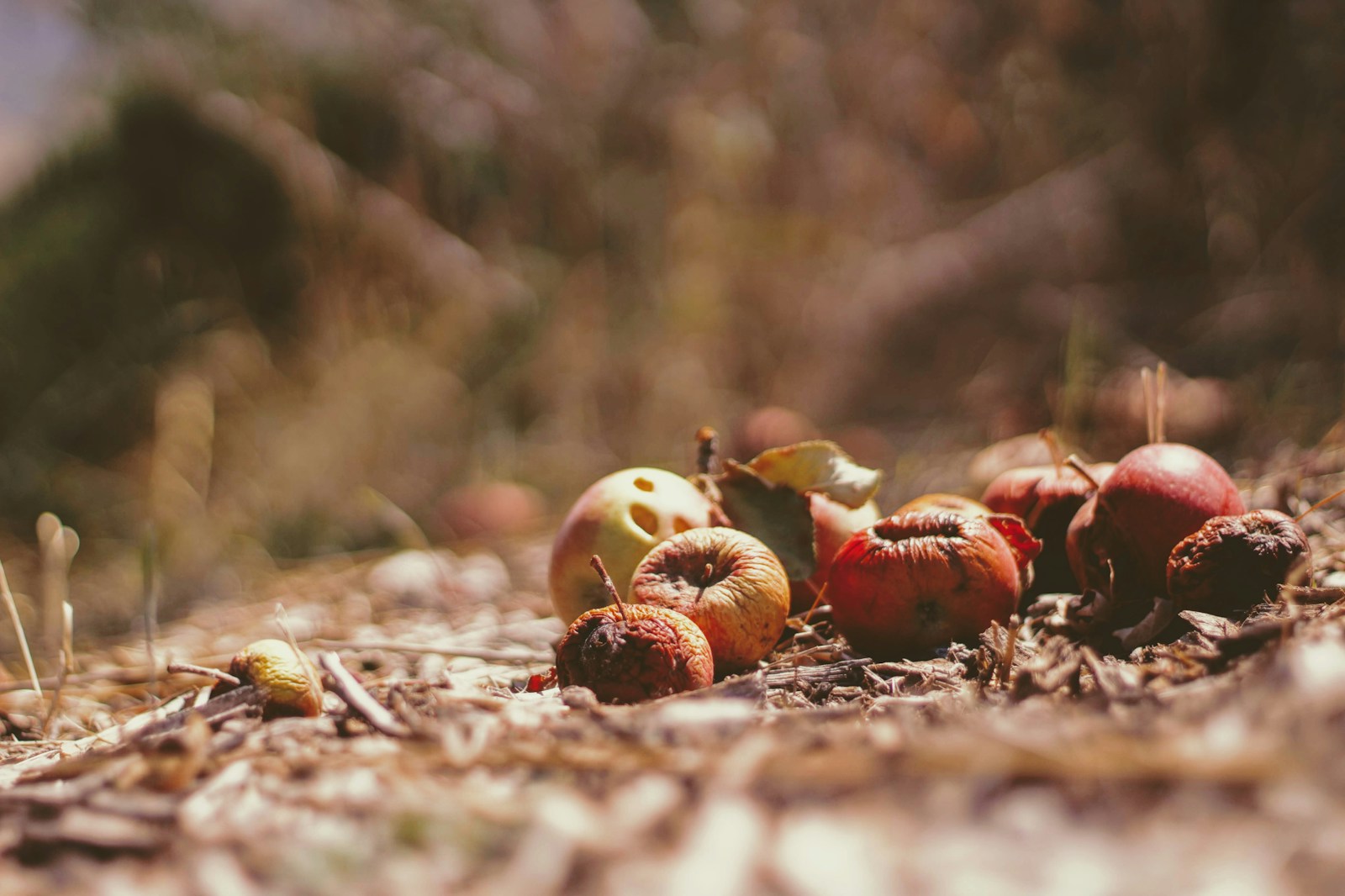
How to Compost Kitchen Waste: Science-Based Guide for Beginners
Look, I get it. You’ve probably seen a million articles about composting that either make it sound way too complicated or give you advice that doesn’t actually work. Some tell you to just throw everything in a pile and magic happens. Others act like you need a PhD in soil science to not screw it up.
The truth is somewhere in the middle. Composting is pretty straightforward once you understand the actual science behind it – and yeah, there’s real science here that makes a huge difference between a pile that works and one that just sits there stinking up your yard.
So let’s get into what actually turns your coffee grounds and banana peels into that rich, dark compost that makes your tomatoes go crazy. And I’m gonna back everything up with actual research, not just stuff someone’s grandmother told them once.
The Basics: What’s Actually Happening in Your Compost Pile
Here’s the deal. Composting is basically controlled decomposition. You’re creating the perfect environment for billions of microorganisms to break down organic matter into stable humus – that’s the fancy term for finished compost.
These microbes need four things to thrive: carbon, nitrogen, moisture, and oxygen. Get the balance right and you’ll have finished compost in a few months. Get it wrong and you’ll have a smelly, slimy mess or a pile that just sits there doing nothing for years.
The magic ratio everyone talks about is 25-30 parts carbon to 1 part nitrogen by weight[1]. That’s not just some random number – researchers at Cornell and multiple university extension services have identified this as the sweet spot where microbial populations thrive and decomposition happens efficiently[2].
But here’s what most articles don’t tell you: you don’t need to actually calculate this stuff with a scale. You just need to understand which materials are “greens” (nitrogen-rich) and which are “browns” (carbon-rich), then eyeball a mix that’s roughly 2-3 times more browns than greens by volume.
Coffee Grounds: Not What You Think
Okay so everyone dumps their coffee grounds in compost. But there’s some serious misinformation out there about them.
First, the acidity thing. Oregon State University tested this and found used coffee grounds have a pH of 6.5-6.8 – basically neutral, not acidic[3]. So if you were adding them to your garden thinking they’d acidify the soil for your blueberries, that’s not happening. Fresh grounds are slightly acidic, but once you brew them, that acidity goes into your cup.
The good news? Coffee grounds contain about 2% nitrogen, 0.3% phosphorus, and 0.2% potassium[4]. That makes them a decent “green” material for your compost pile with a carbon-to-nitrogen ratio around 20:1 – pretty ideal actually.
But here’s the catch from the research: never add more than 20% coffee grounds to your total compost pile volume[3]. Higher amounts can actually be toxic to plants. University of Minnesota Extension found that fresh grounds temporarily tie up nitrogen as they decompose, so if you’re applying them directly to soil, add some nitrogen fertilizer at the same time[5].
Best approach? Compost your grounds for 3-6 months mixed with leaves and grass clippings before using them in your garden. The ratio I use is roughly 3 parts dry leaves to 1 part grass clippings to 1 part coffee grounds.
Oh, and that thing about coffee grounds repelling slugs? Turns out there’s some truth to it. Oregon State research found that a 1-2% caffeine solution caused 100% slug mortality[3]. So there’s a bonus if slugs are eating your hostas.
Eggshells: You’re Probably Doing It Wrong
Everyone tosses eggshells in their compost. Most people are wasting their time.
Here’s why: eggshells are 94-96% calcium carbonate[6], which sounds great. Your tomatoes need calcium to prevent blossom-end rot, right? Well, sort of.
The problem is particle size. An Alabama Cooperative Extension study found that coarsely crushed eggshells performed “not much better than nothing at all”[7]. You need to grind them to a fine powder – like coffee grinder fine – for them to actually break down and release calcium in any reasonable timeframe.
Whole or chunky eggshells can sit in your compost for over a year without releasing meaningful nutrients. I’ve dug up eggshell pieces that were clearly visible after two growing seasons.
Better methods:
- Grind shells to powder in a coffee grinder before adding to compost
- Or make liquid calcium by boiling 10-20 shells overnight – extracts about 4mg calcium per shell[7]
- If you have worms, ground shells provide grit that helps them digest food
And about that blossom-end rot claim? University of Minnesota Extension is pretty clear: “Eggshells do not prevent blossom end rot”[5]. That problem comes from inconsistent watering affecting calcium transport within the plant, not from lack of calcium in the soil[8].
Banana Peels: The Potassium Kings (With a Caveat)
Dried banana peels contain about 11.5% potassium[9], which is honestly impressive. They also have 0.6% nitrogen and 0.4% phosphorus – so they’re imbalanced as a standalone fertilizer but great as part of a diverse compost mix.
A 2024 study in the journal Agriculture found banana peels take about 2 months to decompose in soil or roughly 6 months in water[9]. So they’re not super fast, but not terribly slow either.
Here’s the thing nobody mentions: bananas are heavily treated with pesticides. The Environmental Working Group reports banana cultivation uses approximately 35 pounds of pesticide per acre[10], and common fungicides show up in nearly half of tested bananas. The pesticides concentrate in the peel rather than the fruit itself.
But – and this is important – composting processes break down pesticide residues to negligible concentrations. So composting banana peels is actually safer than using them directly in your garden.
How to use them:
- Compost with other materials to balance nutrients
- Dry and grind to powder for faster breakdown
- Soak chopped peels in water for 1-2 weeks to make liquid fertilizer
- Best for potassium-hungry plants like tomatoes, peppers, roses during flowering
The research suggests combining banana peels with orange peels in compost is particularly effective[9].
Tea Bags: The Microplastics Problem
This one surprised me when I dug into the research.
NC State Extension and the EPA both list tea bags as compostable “green” materials[11][12]. Tea leaves contain up to 4.15% nitrogen plus potassium, phosphorus, and beneficial tannins.
But here’s the problem: most tea bags aren’t actually just paper. A McGill University study found a single plastic tea bag releases approximately 11.6 billion microplastics and 3.1 billion nanoplastics when steeped in boiling water[13]. Yeah, billion with a B.
Beyond Plastics reports that the majority of paper tea bags contain polypropylene fibers for heat-sealing[13], making them unsuable for composting. Those “silky pyramid” bags? Usually nylon or PET plastic.
Safe to compost:
- Unbleached paper tea bags
- Bags made from abaca (banana plant fiber)
- Loose tea leaves (obviously)
Not compostable:
- Nylon mesh bags
- “Silky” pyramid bags
- Polypropylene-sealed bags
- PLA bags (even though labeled “biodegradable,” they need industrial composting facilities)
My approach: just cut open the bags and compost only the loose leaves. Problem solved.
Cardboard and Newspaper: The High-Carbon Players
Here’s where the carbon-to-nitrogen ratio really matters. NC State Extension lists newspaper and cardboard at a whopping 560:1 C:N ratio[11] – way higher than the ideal 25-30:1.
This means you need a lot of nitrogen-rich materials to balance it out. But cardboard and newspaper are still valuable because most people have way more “greens” (grass clippings, food scraps) than “browns.”
What to use:
- Plain brown corrugated cardboard only
- Newspaper (black ink is fine, colored sections are iffy)
- Paper towels and napkins (if only contaminated with food/water)
What to avoid:
- Glossy or wax-coated cardboard
- Cardboard with tape or labels still on
- Heavily printed/colored paper
Oregon State Extension recommends limiting paper products to no more than 10% of total compost weight[14]. For sheet mulching (where you lay cardboard directly on the ground), soak it thoroughly and cover with at least 4 inches of wood chips. It’ll take about 6 months to break down[14].
The thing about newspaper is it decomposes slowly because of lignin – a highly resistant compound that sheathes the cellulose fibers[11]. So shred it or tear it into smaller pieces to speed things up.
Vegetable Scraps: The Compost Backbone
This is the easy one. Pretty much all vegetable and fruit scraps work great with a C:N ratio of 15-25:1[11] – right in the sweet spot.
What works:
- All vegetable trimmings
- Fruit scraps
- Coffee grounds and filters
- Fresh weeds (before they set seed)
Never compost:
- Meat, fish, bones (attract rodents, create odors)
- Dairy products (same problems)
- Fats, oils, grease (create anaerobic conditions)
- Pet waste from dogs/cats (may contain parasites harmful to humans)
- Diseased plants (disease survives and spreads)
- Weeds with mature seeds (seeds survive composting temperatures)
- Black walnut leaves (release juglone, toxic to many plants)
For worm composting specifically, also avoid citrus and onions/garlic – too acidic and harsh for worms[15].
The EPA recommends chopping scraps smaller than 2 inches, burying food waste under 4-8 inches of browns to avoid pests, and adding 2-3 times the volume of browns to greens[12].
The Temperature Science That Actually Matters
Okay so this is where understanding the science makes a huge difference between compost that works and compost that doesn’t.
The EPA specifies optimal temperatures between 131-160°F[16]. The USDA allows ranges up to 170°F. But NC State Extension provides the critical thresholds[11]:
- Above 130°F: kills most pathogens
- Above 140°F: destroys most weed seeds
- Above 160°F: starts killing beneficial decomposing microorganisms
So you want to hit that sweet spot of 131-160°F if you’re doing hot composting.
Hot composting:
- Reaches 131-160°F
- Finishes in 3-8 weeks with regular turning
- Requires minimum pile size of 3×3×3 feet (1 cubic yard)
- Kills weed seeds and pathogens
Cold composting:
- Stays below 90°F (ambient temperature)
- Takes 6-24 months
- Minimal management
- Does NOT kill weed seeds or reliably eliminate pathogens
Missouri Extension’s moisture guidelines specify 40-65% moisture content[17] – described as “moist like a wrung-out sponge.” The squeeze test: if you can squeeze out a few drops from a handful, moisture is about right.
Too dry (below 30%) stops microorganism activity. Too wet (above 60%) crowds out oxygen and creates anaerobic conditions with that nasty rotten-egg smell.
Building a Compost Pile That Actually Works
Alright, let’s get practical. Here’s how to actually do this.
Starting requirements:
- Pile size: 3×3×3 feet minimum (up to 5×5×5 maximum)[18]
- Location: dry, shady spot near a water source
- Base layer: 4-6 inches of bulky browns (twigs, wood chips) for airflow
Layering technique:
- Start with that bulky base layer
- Alternate 2-4 inches of greens with browns
- Finish with a brown layer on top (suppresses odors)
- Add water throughout – aim for that sponge-like moisture
- Toss in a few scoops of garden soil (introduces beneficial microbes)
Maintenance for hot composting:
- Keep pile above 140°F for at least 3 days before first turn
- Turn every 3-4 weeks during active composting
- For fastest results, turn every 3-7 days
- Don’t turn in winter (releases too much heat)
Maintenance for cold composting:
- Turn 1-2 times per year
- That’s literally it
Signs your compost is finished:
- Dark brown to black color resembling rich soil
- Crumbly texture
- Original materials no longer recognizable
- Volume reduced to about half
- Temperature matches ambient air
- Pleasant earthy odor (no ammonia or rotting smell)
University of Florida/IFAS says this usually takes about one year for cold composting or 3-8 weeks for hot composting[19].
Troubleshooting: What’s Wrong With My Pile
Rotten egg smell: Problem: Too wet, not enough air Fix: Turn pile thoroughly, add dry browns like leaves or straw
Ammonia smell: Problem: Too much nitrogen (excess greens) Fix: Add carbon materials like sawdust, wood chips, or dry leaves
Pile not heating: Problem: Too dry, too small, or lacks nitrogen Fix: Add water, increase pile size to minimum dimensions, or add greens
Pests or rodents: Problem: Exposed food scraps or prohibited materials (meat/dairy) Fix: Bury all scraps under at least 6 inches of browns, remove any meat or dairy, consider rodent-proof bin
Pile only warm in the middle: Problem: Insufficient size Fix: Collect more material and thoroughly mix
These are the three most common problems according to Oregon State Extension[20].
Beyond Kitchen Scraps: What Else You Can Compost
Hair and pet fur contains keratin protein providing nitrogen. UF/IFAS Extension notes it “may be slow to degrade” but confirms it’s compostable[21]. According to Compost Magazine research, 6-7 pounds of hair contains as much nitrogen as 100-200 pounds of manure.
Natural fiber clothing scraps – cotton, wool, linen, silk, hemp – are fully compostable. Cut into smaller pieces and avoid synthetic blends[21].
Paper towels and napkins work when contaminated only with dirt, water, or plant-based food. Avoid those with grease, chemicals, or cleaning products[21].
Dryer lint – only from 100% natural fibers (cotton, wool). Colorado State Extension warns synthetic fiber lint creates microplastics[22].
Stale bread and grains – cereal, crackers, tortillas, pasta, rice. Bury in the pile to avoid pests[21].
Natural wine corks (made from tree bark) are compostable. Synthetic corks are not. Grind into small pieces[21].
Nut shells from peanuts, pistachios, most nuts compost slowly. Exception: avoid walnut shells due to juglone toxicity[23].
The Numbers That Actually Matter
Let’s talk about what finished compost actually provides. University of Maryland Extension documents that plant-based compost typically contains approximately 1.0% nitrogen, 0.5% phosphorus, and 1.0% potassium[24].
That’s pretty low compared to synthetic fertilizers, which is why compost is classified as a soil conditioner rather than a fertilizer. But here’s the cool part: only 5-10% of nitrogen mineralizes in the first year, while 100% of potassium becomes immediately available[24].
Finished compost exhibits pH between 6.0-8.0[24], generally neutral, with buffering effects. Research in Frontiers in Plant Science found compost-treated soils showed pH increases of 0.54-0.75 units compared to control plots[25].
The real benefits come from soil structure improvements: better water retention, improved drainage, enhanced aeration, reduced compaction, and increased biological activity[24]. Missouri Extension notes that organic matter “improves heavy clay soils by binding soil particles together” while helping sandy soils retain nutrients and water[17].
Common Mistakes People Make
Buying the wrong thing at the garden center Skip the “compost starters” and “activators.” They’re mostly marketing. A handful of garden soil or finished compost provides all the microbes you need for free.
Adding too much of one thing Don’t dump your entire week’s coffee grounds in one spot. Mix materials throughout the pile as you add them.
Not chopping things up Bigger pieces take way longer to break down. Chop or break things into 2-inch or smaller pieces.
Using diseased plants That blight-infected tomato plant? Don’t compost it unless you’re confident your pile reaches 140°F consistently. Otherwise you’re just spreading disease.
Expecting instant results Composting takes time. Cold piles need 6-24 months. Even hot piles need 3-8 weeks minimum. Be patient.
Wrong location Full sun dries it out too fast. Right next to your back door smells bad when things go wrong. Pick a shady spot that’s accessible but not too close to living areas.
The Bottom Line: What I’d Actually Do
If I was starting composting from scratch, here’s my approach based on all this research:
For beginners or minimal effort:
- Start with a simple 3-bin system or just a 3×3 foot pile
- Focus on maintaining that 3:1 browns-to-greens ratio by volume
- Keep it moist but not soaked
- Turn it when you remember (cold composting is fine)
- Expect finished compost in about a year
- Don’t stress about perfection
For faster results:
- Build a 3×3×3 foot pile minimum
- Monitor temperature with a compost thermometer
- Turn every 3-7 days once it hits 140°F
- Maintain proper moisture religiously
- Get finished compost in 3-8 weeks
Materials I’d prioritize:
- Grass clippings (but not more than 25% of pile)
- Dry leaves (always keep a stash)
- Vegetable and fruit scraps
- Coffee grounds (max 20% of pile)
- Shredded cardboard
What I’d skip:
- Meat and dairy (not worth the pest problems)
- Pet waste (too many disease concerns)
- Glossy paper or cardboard
- Diseased plants (unless confident in hot composting temps)
- Weeds with seeds (unless confident in temps)
The key thing? Just start. You’ll learn what works for your situation. Composting is pretty forgiving once you understand the basics of keeping that carbon-nitrogen balance roughly right and maintaining decent moisture.
And honestly, even mediocre compost beats no compost. Your plants will appreciate any organic matter you add to the soil.
Sources
[1] Cornell Composting, “Compost Chemistry” https://compost.css.cornell.edu/chemistry.html
[2] University of Minnesota Extension, “Interpreting Your Compost Report” https://extension.umn.edu/soil-and-foliar-testing/interpreting-your-compost-report
[3] Oregon State Extension, “Coffee grounds boost soil health — and help control slugs” https://extension.oregonstate.edu/gardening/soil-compost/coffee-grounds-composting
[4] Colorado State Extension, “Coffee Grounds for Gardening” https://extension.colostate.edu/topic-areas/yard-garden/
[5] University of Minnesota Extension, “Coffee grounds, eggshells and Epsom salts in the home garden” https://extension.umn.edu/manage-soil-nutrients/coffee-grounds-eggshells-epsom-salts
[6] University of Florida Extension, “Calcium in the Home Garden” https://edis.ifas.ufl.edu/publication/VM013
[7] Illinois Extension, “Using Eggshells in the Garden and Compost” https://extension.illinois.edu/blogs/good-growing/2018-03-28-using-eggshells-garden-and-compost
[8] Mississippi State Extension, “Can Eggshells Prevent Blossom End Rot” https://extension.msstate.edu/blog/can-eggshells-prevent-blossom-end-rot
[9] MDPI Agriculture journal, “Banana Peel Waste as a Sustainable Resource for Value-Added Products” https://www.mdpi.com/2077-0472/14/11/1894
[10] Environmental Working Group, “Banana Cultivation: Pesticide Intensive” https://www.ewg.org/news-insights/news/banana-cultivation-pesticide-intensive
[11] NC State Extension, “Composting” Chapter 2, Extension Gardener Handbook https://content.ces.ncsu.edu/extension-gardener-handbook/2-composting
[12] EPA, “Composting at Home” https://www.epa.gov/recycle/composting-home
[13] Beyond Plastics, “Microplastics in Tea” https://www.beyondplastics.org/fact-sheets/microplastics-in-tea
[14] Oregon State Extension, “Sheet mulching and lasagna composting with cardboard” https://extension.oregonstate.edu/catalog/em-9559-sheet-mulching-lasagna-composting-cardboard
[15] Iowa State Extension, “Dos and Don’ts of Composting” https://www.extension.iastate.edu/smallfarms/dos-and-donts-composting
[16] EPA, “Approaches to Composting” https://www.epa.gov/sustainable-management-food/approaches-composting
[17] Missouri Extension, “Making and Using Compost” https://extension.missouri.edu/publications/g6956
[18] WVU Extension, “Composting for Beginners” https://extension.wvu.edu/natural-resources/soil-water/composting-for-beginners
[19] University of Florida/IFAS, “What Can Be Composted” https://sfyl.ifas.ufl.edu/sarasota/natural-resources/waste-reduction/composting/
[20] Oregon State Extension, “Answers to Three Common Compost Problems” https://extension.oregonstate.edu/news/answers-three-common-compost-problems
[21] UF/IFAS Extension, “Can I Compost It?” https://sfyl.ifas.ufl.edu/sarasota/natural-resources/waste-reduction/composting/what-is-composting/what-can-be-composted/can-i-compost-it/
[22] Colorado State Extension, “Making Compost” https://extension.colostate.edu/resource/making-compost/
[23] Cornell Cooperative Extension, “Compost Troubleshooting” https://ccetompkins.org/resources/compost-troubleshooting-your-compost
[24] University of Maryland Extension, “Organic Matter and Soil Amendments” https://extension.umd.edu/resource/organic-matter-and-soil-amendments
[25] Frontiers in Plant Science, “Effects of Compost Amendment on Soil pH” https://www.frontiersin.org/journals/plant-science/articles/10.3389/fpls.2022.972789/full
