
Plants Groundhogs Hate + What Actually Works (Guide)
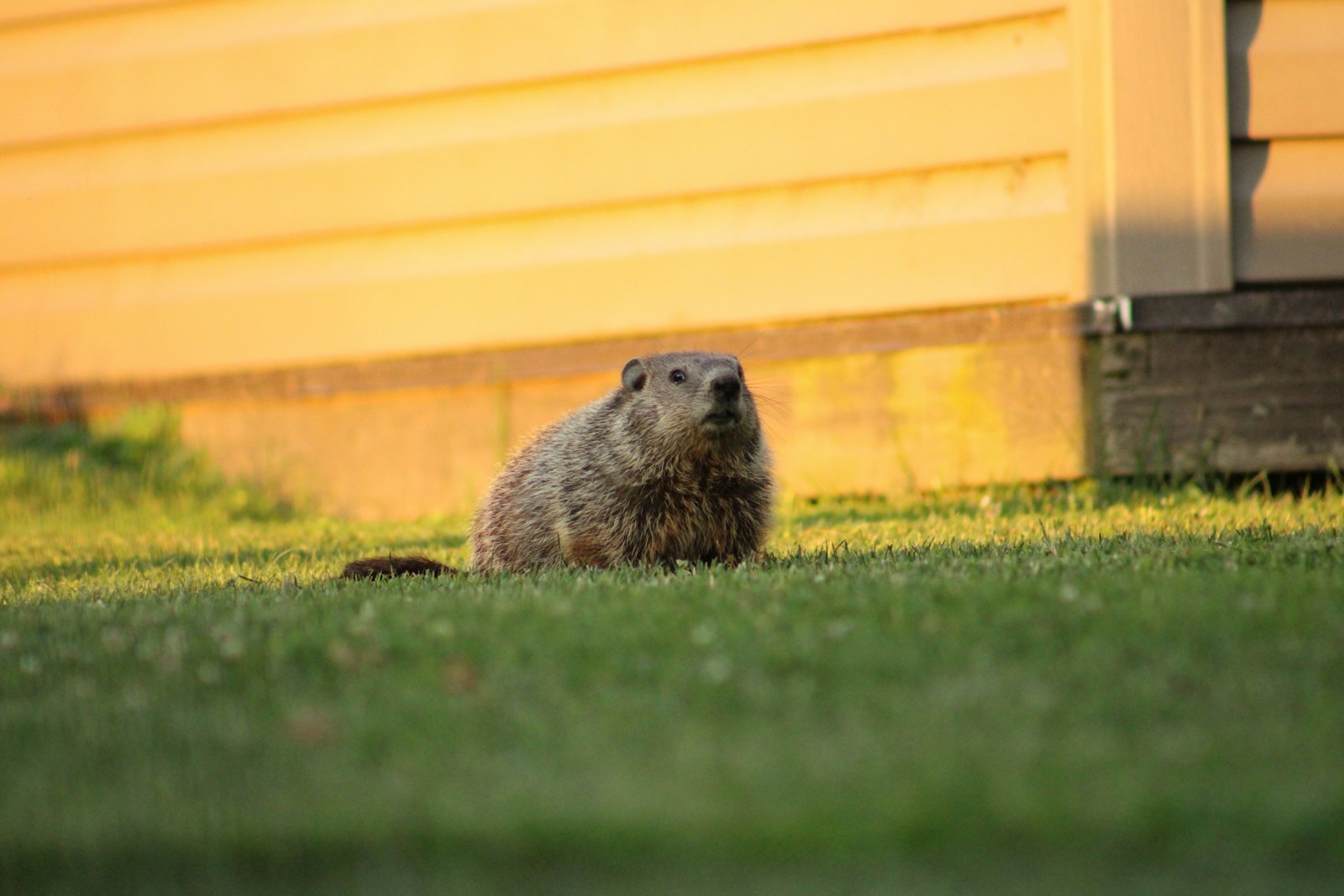
So here’s the thing about groundhogs. They’re cute until they’re not. Like when you walk outside one morning and half your tomato plants are gone. Or your green beans look like someone took scissors to them. Then suddenly those pudgy little guys aren’t so charming anymore.
I’ve had groundhog problems for years. Every spring it’s the same story – burrows under my shed, vegetables disappearing overnight, that whistling sound they make when they’re hanging out in my yard like they own the place. And I’ve tried everything people recommend online. Most of it doesn’t work.
After getting tired of replanting my garden every June, I started actually reading the research on this stuff. University extension studies, wildlife biology papers, the boring technical literature that nobody reads. Turns out a lot of what you see recommended is either oversimplified, completely wrong, or just gets repeated because someone saw it on Pinterest once.
But some plants really do help. Not like a magic solution that makes groundhogs disappear forever – that doesn’t exist. But when you combine the right plants with other strategies, you can actually protect your garden without resorting to traps or poison or whatever else people try.
This is gonna be long because there’s a lot to cover. But if you’re sick of feeding groundhogs instead of your family, keep reading.
Understanding How Groundhogs Actually Work
Before we get into which plants help, you gotta understand what you’re dealing with. Because groundhogs aren’t just randomly eating your garden for fun.
These animals (also called woodchucks or whistle-pigs) are members of the squirrel family that can weigh 5-14 pounds and eat about 1 to 1.5 pounds of vegetation daily [1]. They’re most active morning and evening, and they can double their body weight between spring and fall preparing for hibernation [2].
Here’s what makes them such pests: they’re not picky eaters. Groundhogs consume green plants, fruits, vegetables, bark, and can strip a vegetable garden in days [3]. They’ll eat tomatoes, beans, peas, lettuce, carrots, squash, basically everything you’re trying to grow. The only vegetables they consistently avoid are the ones with strong smells or toxic compounds.
Why They’re in Your Yard
Groundhogs love yards that offer:
- Soft, well-drained soil for burrowing
- Access to fresh vegetation
- Cover from predators (brush piles, overgrown areas, spaces under sheds)
- Open areas nearby for keeping watch
Their burrows can be massive – 25 to 30 feet long with multiple entrances [4]. These tunnels can undermine foundations, damage retaining walls, and create trip hazards. One burrow I had went under my garden shed and popped up right in the middle of my raised beds.
The Sensory Situation
This is key to understanding why certain plants work. Groundhogs have about 6 million scent receptors and a highly developed sense of smell primarily used for predator detection [5]. Their eyes, ears, and nose sit atop their heads so they can detect danger while barely poking out of their burrows [5].
They can smell strong odors and they’ve evolved to avoid plants that indicate toxicity through bitter taste receptors. Research shows herbivores like groundhogs possess larger numbers of bitter taste receptors (TAS2R genes) specifically because “bitter perception allows avoidance of toxins before they are fully ingested” [6].
So when we talk about plants that repel groundhogs, we’re looking for ones with either overwhelming aromatic compounds or genuine toxicity that triggers their avoidance instinct.
The Science Behind What Actually Repels Them
A 2016 systematic review in the Journal of Chemical Ecology examined 54 studies on plant secondary metabolites as rodent repellents and found that essential oils and terpenoids showed “the strongest effects across species” [7]. This isn’t just speculation – there’s actual research backing up why aromatic herbs work.
The compounds that matter most:
- Menthol (from mint) – overwhelms olfactory receptors
- Linalool (from lavender) – strong terpenoid effect
- Thymol (from thyme) – documented antifeedant properties
- Camphor (from sage, rosemary) – aversive scent
- Allicin (from garlic, onions) – activates pain receptors in mammals
- Carvacrol (from oregano) – synergistic effect with thymol
These aren’t just smells groundhogs dislike. Some of these compounds actually cause genuine discomfort or signal danger to the animal’s sensory system.
The toxic plants work differently. Daffodils contain lycorine, foxglove has digitoxin, and other ornamentals produce cardiac glycosides or alkaloids that groundhogs instinctively recognize and avoid [8].
Plants That Actually Work (With Real Evidence)
Let me go through what’s actually documented to help, not just what sounds good.
Aromatic Herbs – Your First Line of Defense
Peppermint (Mentha × piperita)
This one’s legit. Peppermint contains menthol at concentrations up to 59% of its essential oil content [7]. Multiple sources confirm groundhogs avoid it [9][10].
But here’s what the blogs don’t tell you: just planting peppermint isn’t enough. The plant sitting there doesn’t release enough oils to matter. You have to crush the leaves regularly to get the oils out, or use the leaves directly where you need protection.
Growing it:
- Zones 3-11 (incredibly hardy)
- Needs moist soil and partial shade
- Spreads aggressively – use containers or buried barriers
- Space 12-18 inches apart if you’re planting multiple
- Harvest regularly to keep it producing
How to actually use it:
- Crush fresh leaves daily near problem areas
- Place crushed leaves directly in corners or near entry points
- Make sprays with essential oil (recipe later)
- Plant in containers around garden perimeter
Important safety note: Peppermint essential oil is toxic to cats and dogs [11]. The plant itself is less risky but keep it away from pets who might eat it.
Lavender (Lavandula spp.)
Lavender produces linalool and other terpenoids that groundhogs reportedly avoid [9][10]. It’s not as well-studied as peppermint specifically for groundhogs, but the aromatic properties are similar.
Growing it:
- Zones 5-9 for English lavender
- Needs full sun (6-8 hours minimum)
- Well-drained, slightly alkaline soil
- Drought-tolerant once established
- Space 12-18 inches apart
The trick with lavender is planting it as a continuous border, not scattered specimens. Create a 12-24 inch wide strip for effective scent dispersal [10]. A single plant here and there won’t do much.
Thyme (Thymus spp.)
Contains thymol, a monoterpenoid phenol documented as an effective repellent. Research published in Frontiers in Agronomy identified thymol among “the most effective larvicidal and antifeedant compounds” [12].
Growing it:
- Zones 4-9
- Full sun, well-drained sandy soil
- Drought-tolerant once established
- Space 8-12 inches apart
- Multiple varieties available (common thyme, lemon thyme, creeping thyme)
Sage (Salvia officinalis)
Contains camphor which groundhogs can’t tolerate [9]. This woody perennial is easy to grow and useful in cooking.
Growing it:
- Zones 4-9
- Full sun, dry soil
- Replace every 3-4 years as plants get leggy
- Cut back hard after flowering
- Space 18-24 inches apart
Rosemary (Rosmarinus officinalis)
Contains cineole and camphor. Recommended by multiple sources for groundhog deterrence [9][10].
Growing it:
- Zones 7-10 (grow in containers in colder zones)
- Full sun, well-drained soil
- Drought-tolerant
- Can grow 2-6 feet tall
- Bring indoors in winter if containerized
Oregano (Origanum spp.)
Contains carvacrol which works synergistically with thymol for enhanced deterrent effects [12].
Growing it:
- Zones 4-9
- Full sun with lean, well-drained soil
- Spreads moderately
- Space 12 inches apart
- Perennial that gets better with age
Alliums – The Sulfur Strategy
Garlic and Chives (Allium spp.)
These produce allicin when their tissues are damaged – a sulfur compound that activates TRPA1 and TRPV1 pain receptors in mammals, causing genuine discomfort [13]. Penn State Extension specifically lists chives among plants groundhogs tend to avoid [14].
Growing garlic:
- Plant cloves in fall (September-November)
- Full sun, well-drained soil
- Harvest following summer
- Use as companion plants among vegetables
Growing chives:
- Zones 3-9
- Full sun to partial shade
- Easy to grow, basically indestructible
- Divide clumps every 2-3 years
- Harvest stems regularly
Onions
Same sulfur compounds as garlic. Groundhogs consistently avoid them [3]. Interplant among your vulnerable crops.
Toxic Ornamentals – The Nuclear Option
These plants contain genuine toxins that groundhogs instinctively avoid. Cornell Cooperative Extension maintains the most comprehensive university-verified list [15].
Daffodils (Narcissus spp.)
Contain lycorine, a toxic alkaloid. Every part of the plant is poisonous. Groundhogs won’t touch them [15][16].
Growing them:
- Zones 3-7
- Plant bulbs in fall
- Full sun to partial shade
- Extremely low maintenance
- Naturalize and spread over years
Foxglove (Digitalis spp.)
Produces digitoxin and other cardiac glycosides – compounds so toxic that just 2-3 dried leaves can be fatal to mammals [17]. Cornell University confirms “all animals are susceptible.”
Growing them:
- Zones 4-9
- Biennial or short-lived perennial
- Partial shade, moist well-drained soil
- Stunning flowers
- Keep away from children and pets
Bleeding Heart (Dicentra spp.)
Contains alkaloids. Listed by Cornell as resistant [15].
Growing them:
- Zones 3-9
- Partial to full shade
- Moist, rich soil
- Dies back in summer heat
- Beautiful spring flowers
Monkshood (Aconitum spp.)
Highly toxic alkaloids. Groundhogs avoid it [15].
Growing them:
- Zones 3-8
- Partial shade
- Moist soil
- Extremely poisonous – handle with gloves
Lily of the Valley (Convallaria majalis)
Contains cardiac glycosides. Avoided by groundhogs [15].
Growing them:
- Zones 1-7
- Shade tolerant
- Spreads aggressively
- Fragrant spring flowers
- Toxic if ingested
Flowers and Ground Covers
Marigolds (Tagetes spp.)
This gets complicated. Their roots produce thiophenes – sulfur-containing compounds with documented biocidal activity [18]. French marigolds (T. patula) produce higher concentrations than African marigolds (T. erecta).
However, some gardeners report groundhogs eating marigold flowers despite the roots being deterrent. The evidence is mixed [19].
My take: Use them as part of a strategy, not your only defense.
Growing them:
- Annual, all zones
- Full sun
- Space French marigolds 8-10 inches apart
- Deadhead regularly for continuous blooms
Lamb’s Ear (Stachys byzantina)
Works differently – it’s the soft, velvety texture groundhogs dislike. Their mouths are sensitive and fuzzy plants don’t appeal [20].
Growing them:
- Zones 4-8
- Full sun to partial shade
- Well-drained soil
- Spreads to form dense mats
- Drought-tolerant once established
Chrysanthemums (Chrysanthemum spp.)
Some sources list these as deterrents, but you need specific varieties. Dalmatian chrysanthemum (Tanacetum cinerariifolium) contains pyrethrins – natural insecticides that also affect mammals [21]. Regular garden center mums have much lower concentrations.
Vegetables Groundhogs Actually Avoid
Honestly? Groundhogs love most vegetables. But there are a few they tend to skip.
Rhubarb (Rheum x hybridum)
Toxic leaves containing high concentrations of oxalic acid. Groundhogs leave it alone [3].
Growing it:
- Zones 3-8
- Full sun to partial shade
- Rich, moist soil
- Perennial that lasts for decades
- Only eat the stalks, never the leaves
Hot Peppers (Capsicum spp.)
Contain capsaicin which activates TRPV1 pain receptors. The nightshade family (tomatoes, peppers, potatoes, eggplant) has toxic foliage, but here’s the frustrating reality: many groundhogs eat the fruits while avoiding the leaves.
Beets and Potatoes
Appear on some lists as avoided vegetables [15], but experiences vary. Individual groundhogs develop different preferences.
How to Actually Arrange These Plants
Random placement doesn’t work. You need strategic positioning.
Create Continuous Aromatic Borders
Plant at least 12-24 inches wide around vulnerable garden areas. Combine Mediterranean herbs that share growing requirements: lavender, rosemary, thyme, sage, and oregano all thrive in full sun with well-drained soil and low water [10].
Interplant Among Vegetables
Don’t group deterrent plants separately. Position one deterrent plant per 2-3 square feet of vulnerable crops [22]. Put basil near tomatoes, chives around lettuce, garlic among beans. This creates multiple scent barriers rather than a single perimeter groundhogs might push through.
Focus on Entry Points
If you know where groundhogs access your yard, concentrate herb plantings there. Plant near burrow entrances to encourage relocation [23].
Layer Your Defense
- Front row: low-growing thyme and oregano
- Second row: medium-height lavender and sage
- Back row: tall foxglove and daffodils
This creates depth that’s harder to bypass than a single row.
What Doesn’t Work (Despite What You Read)
Let’s debunk some popular myths.
“Plants alone will solve the problem”
False. Cornell Cooperative Extension states: “Frightening devices just don’t seem to work well on woodchucks, especially if you have luscious, tender vegetation to offer” [15]. The same applies to plant deterrents alone.
Irish Spring Soap
Zero scientific evidence. Same with mothballs (also toxic to humans and pets) and human hair clippings. These home remedies persist because people want cheap, easy solutions.
Ultrasonic Devices
Definitively debunked. “There is no empirical evidence that proves sonic devices drive away moles or other rodents” [24]. Groundhogs habituate quickly to sounds that don’t actually threaten them.
Lemon or Citrus
Despite appearing in countless articles, there’s no evidence this works on groundhogs. It might help with some insects, but groundhogs? No data supporting it.
Short Fences
Groundhogs can climb and dig. One person reported a groundhog “dig 20 feet into the middle of my garden from the outside” [3]. Standard fencing is wasted money.
Methods That Actually Help
Plants are one piece. Here’s what else matters:
Proper Fencing
This remains the most reliable method. Requirements:
- 4 feet above ground minimum
- Top 12 inches unattached and bent outward at 45 degrees (prevents climbing)
- 2 feet buried in L-shape (12 inches down, 12 inches bent outward)
- Mesh no larger than 3×3 inches [3]
Yeah, it’s a pain to install. But it works.
Cayenne Pepper Spray
Mix 4 tablespoons cayenne with 2 cups warm water. Spray on plants and around burrow entrances. Gardeners consistently report this as effective [25]. Reapply every 2-3 weeks or after rain.
Garlic Spray
Crush garlic cloves, mix with water and a drop of liquid soap. Apply to leaves and surrounding soil. Similar effectiveness to cayenne.
Castor Oil Solutions
1/2 cup castor oil to 2 cups water applied around burrow holes may encourage relocation [3]. The oil makes the soil smell/taste bad to them.
Habitat Modification
Remove what attracts them:
- Keep grass short (groundhogs avoid open areas without cover)
- Remove brush piles and fallen fruit
- Eliminate overgrown areas
- Seal abandoned burrows with welded wire panels
Timing Matters More Than You Think
Spring – Critical Period
Groundhogs emerge from hibernation late February through April depending on your location [3]. They mate immediately after emergence, and females actively scout new territories.
Have deterrent plants established and sprays applied BEFORE groundhogs emerge. Hungry animals fresh from hibernation cause the most damage.
Summer
Hot weather enhances aromatic oil production in herbs. Maintain spray applications, harvest herbs regularly to encourage regrowth, stay vigilant.
Fall
Increased feeding as groundhogs bulk up for hibernation. Continue deterrent measures through first hard frost. This is when you should plant garlic bulbs for next year’s protection.
Winter
Groundhogs hibernate 4.5-5.5 months [3]. Use this time to install permanent fencing, order seeds, plan your strategy for spring.
Regional Considerations
Northern Regions (Zones 4-5)
- Groundhogs emerge late March to early April
- Focus on cold-hardy herbs: thyme, oregano, sage, chives
- Mulch lavender heavily in winter
- Grow rosemary in containers and bring indoors
Mid-Atlantic and Central (Zones 6-7)
- Late February to mid-March emergence
- Most listed plants survive winters
- English lavender does well
- ‘Arp’ rosemary survives to Zone 6
Southern Regions (Zones 8+)
- Late January to February emergence
- Groundhogs may not fully hibernate
- Provide afternoon shade for mint and chives
- Mediterranean herbs thrive but may need winter protection from ice
Common Mistakes People Make
Expecting instant results
Ground covers and herb borders take 1-3 years to really fill in and create effective barriers. Be patient.
Not addressing the root cause
If your yard is groundhog heaven (soft soil, lots of vegetation, hiding spots), plants alone won’t cut it. Fix the habitat issues.
Using too few plants
One lavender plant isn’t a barrier. You need continuous plantings or multiple concentrated areas.
Forgetting to maintain
Herb borders need trimming to keep producing aromatic oils. Dead plants don’t deter anything.
Mixing incompatible plants
Don’t put moisture-loving mint next to drought-tolerant lavender. Group plants with similar needs.
My Honest Assessment
After years of dealing with groundhogs, here’s what I actually do now:
-
Installed proper fencing around my main vegetable garden – 4 feet high with buried L-footer. This was the game-changer.
-
Created aromatic herb borders using thyme, oregano, sage, and chives around the fence perimeter. These smell great, I use them in cooking, and they add an extra layer of protection.
-
Interplanted garlic among my vegetables every fall. It helps some and I get garlic the following summer.
-
Use cayenne spray on specific high-value plants like tomatoes. Reapply after rain.
-
Eliminated habitat – removed brush piles, keep grass mowed short, sealed old burrow entrances.
-
Accepted reality – I’ll probably always have some groundhog pressure. The goal is management, not elimination.
Do the plants work? Yeah, they help. But they work best as part of a comprehensive strategy. If you’re expecting to plant some lavender and never see a groundhog again, you’ll be disappointed.
If you use plants strategically, combine them with fencing, modify habitat, and stay on top of it? Then yeah, you can actually protect your garden.
Bottom Line
The research backs up what experienced gardeners figured out through trial and error:
Plants that genuinely help:
- Peppermint, lavender, thyme, sage, rosemary, oregano (aromatic herbs)
- Garlic, chives, onions (alliums with sulfur compounds)
- Daffodils, foxglove, bleeding heart (toxic ornamentals)
- Possibly marigolds, lamb’s ear
What doesn’t work:
- Lemon/citrus
- Ultrasonic devices
- Irish Spring soap
- Mothballs
- Plants alone without other strategies
What actually makes the difference:
- Proper fencing (most reliable)
- Strategic plant placement (continuous borders, interplanting)
- Cayenne/garlic sprays (frequent reapplication)
- Habitat modification (remove cover and food sources)
- Persistence (this isn’t a one-time fix)
Start with fencing if you can afford it. Add aromatic herb borders. Interplant alliums. Use sprays as backup. Modify habitat to make your yard less attractive. Layer these strategies together.
It takes effort. But seeing your garden actually produce vegetables instead of feeding groundhogs? Worth it.
Sources
[1] Berry Patch Farms. “The Surprising Skills Groundhogs Have Beyond Weather Prediction.” https://www.berrypatchfarms.net/what-surprising-skill-do-groundhogs-have/
[2] Pennsylvania Game Commission. “Woodchuck.” Wildlife Notes. https://www.pa.gov/agencies/pgc/wildlife/discover-pa-wildlife/woodchuck
[3] Old Farmer’s Almanac. “How to Get Rid of Groundhogs.” https://www.almanac.com/pest/groundhogs
[4] Orkin Canada. “What Do Groundhogs Eat?” https://www.orkincanada.ca/blog/what-do-groundhogs-eat/
[5] Wildlife Informer. “A Groundhog’s 5 Senses (Which Are Enhanced).” https://wildlifeinformer.com/groundhog-senses/
[6] PMC8830313. “Bitter Taste Receptors and Their Evolutionary Origins.” https://pmc.ncbi.nlm.nih.gov/articles/PMC8830313/
[7] Hansen SC, Stolter C, Imholt C, Jacob J. “Plant Secondary Metabolites as Rodent Repellents: a Systematic Review.” J Chem Ecol. 2016;42(9):970-983. https://pubmed.ncbi.nlm.nih.gov/27613544/
[8] Cornell Cooperative Extension of Columbia and Greene Counties. “Groundhog Resistant Plants.” http://ccecolumbiagreene.org/gardening/groundhog-resistant-plants
[9] Plant America. “8 Plants That Repel Groundhogs – Natural Pest Control.” https://plantamerica.com/plants-that-repel-groundhogs/
[10] Big Blog of Gardening. “13 Groundhog-Proof Plants Every Gardener Should Know.” https://www.bigblogofgardening.com/groundhog-proof-plants-every-gardener-should-know/
[11] Healthline. “Essential Oils as Spider Repellent.” https://www.healthline.com/health/essential-oils-spider-repellent
[12] Frontiers in Agronomy. “Acaricidal and Insect Antifeedant Effects of Essential Oils From Selected Aromatic Plants.” 2021. https://www.frontiersin.org/articles/10.3389/fagro.2021.662802/full
[13] Borlinghaus J, et al. “Allicin: Chemistry and Biological Properties.” Molecules. 2014;19(8):12591-12618. https://www.mdpi.com/1420-3049/19/8/12591
[14] Penn State Extension. “Bringing Houseplants Indoors.” https://extension.psu.edu/bringing-houseplants-indoors
[15] Cornell Cooperative Extension of Columbia and Greene Counties. “Groundhog Resistant Plants.” http://ccecolumbiagreene.org/gardening/groundhog-resistant-plants
[16] A-Z Animals. “6 Plants That Repel and Keep Groundhogs Out of Your Yard.” https://a-z-animals.com/animals/groundhog/groundhog-facts/plants-that-repel-groundhogs/
[17] Laidback Gardener Blog. “Plants Groundhogs Tend to Avoid.” https://laidbackgardener.blog/2018/06/09/plants-groundhogs-tend-to-avoid/
[18] Clemson HGIC. “How to Grow and Care for Marigolds.” https://hgic.clemson.edu/factsheet/how-to-grow-and-care-for-marigolds-in-south-carolina/
[19] Laidback Gardener Blog. “Plants Groundhogs Tend to Avoid.” https://laidbackgardener.blog/2018/06/09/plants-groundhogs-tend-to-avoid/
[20] Gardenia. “Stachys byzantina (Lamb’s Ears).” https://www.gardenia.net/plant/stachys-byzantina-lambs-ears
[21] Gardener’s Path. “How to Grow and Care for Chrysanthemums.” https://gardenerspath.com/plants/flowers/grow-chrysanthemums/
[22] Plant Knowledge Base. “12 Groundhog Resistant Plants That Actually Work – Expert Garden Guide.” https://plantknowledgebase.com/groundhog-resistant-plants-expert-guide/
[23] OutdoorAlive. “Does Peppermint Repel Groundhogs? (All You Need to Know).” https://outdooralive.com/does-peppermint-repel-groundhogs/
[24] Groundhog Landscaping NH. “Pest Control Myths.” https://groundhognh.com/killing-moles-pest-control-myths/
[25] Humane Society. “What to Do About Groundhogs.” https://www.humanesociety.org/resources/what-do-about-groundhogs
