
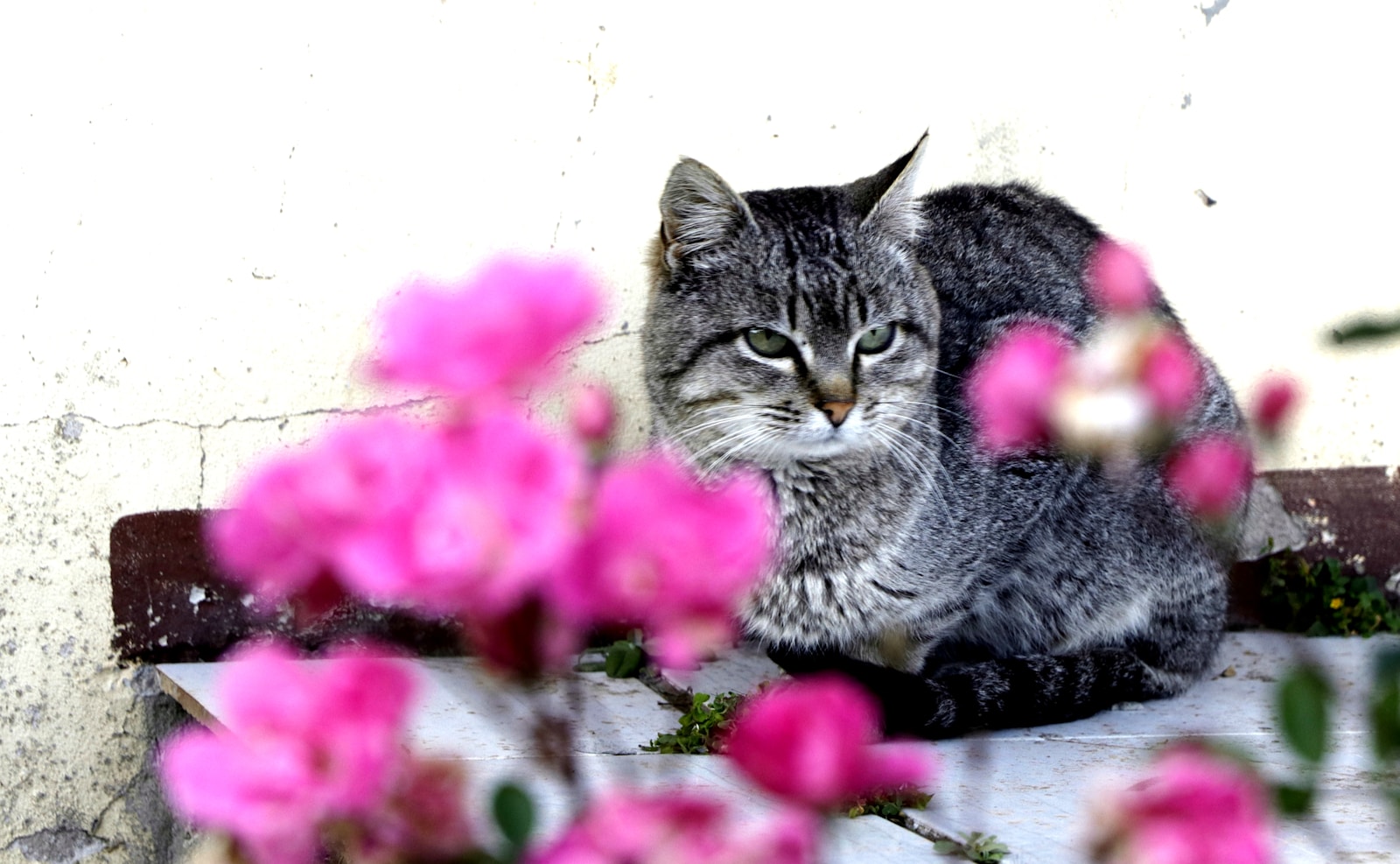
Are Chrysanthemums Toxic to Cats? The Complete Guide
I see the same basic info recycled everywhere: “mums are toxic to cats, keep them away, symptoms include vomiting.” Which, fine, technically correct. But it’s missing so much important context that would actually help cat owners make informed decisions.
Like, did you know cats are uniquely vulnerable to mums because they lack a specific liver enzyme? Or that there are six different toxic compounds involved, not just “pyrethrins”? Or that most cases are mild and resolve within 24 hours, but certain situations can get serious fast?
I went down this research rabbit hole after my neighbor’s cat got into her fall porch display last year. The cat was fine, but it made me realize how much misinformation is out there. So I dug into the actual veterinary studies, toxicology research, and scientific literature to figure out what’s really going on.
This is gonna be long because there’s a lot to cover. But if you have cats and love fall flowers, or you’re trying to decide if those mums at the garden center are worth the risk, keep reading.
What Makes Mums Toxic (It’s More Complicated Than You’d Think)
Most articles just say “pyrethrins” and call it a day. But chrysanthemums actually contain two main classes of toxic compounds that affect cats differently.
First, pyrethrins. These are natural insecticides found primarily in the flower heads. There are actually six specific compounds involved – pyrethrin I and II, cinerin I and II, and jasmolin I and II.[1] They’re all cyclopropane carboxylic acid esters, which sounds fancy but basically means they mess with nerve cell function.
What they do is bind to voltage-gated sodium channels in nerve cells and prevent normal channel closure. This causes repetitive neuronal firing – like if a light switch got stuck in the “on” position and kept flickering.[1]
Second, sesquiterpene lactones. These include compounds like arteglasin-A, chlorochrymorin, and chrysartemins A and B. They work differently – they form cross-links with sulfhydryl groups on proteins in the body, triggering allergic and inflammatory reactions.[2]
Plus there are additional compounds like essential oils with camphor (concentrations can reach 36.69% in some species), along with various monoterpenes and sesquiterpenes.[2]
Not All Mums Are Created Equal
Pyrethrin concentrations vary dramatically across species. The Dalmatian chrysanthemum (Chrysanthemum cinerariifolium) contains 1-2% pyrethrins – the highest concentration and the source for commercial pyrethrin insecticides.[3]
The common florist mums you buy at garden centers (Chrysanthemum × morifolium) have lower pyrethrin levels but still contain substantial sesquiterpene lactones.
All plant parts have toxins, but flowers contain the highest concentrations, followed by leaves, stems, pollen, and sap.[4] So a cat chewing on blooms is getting a bigger dose than one batting at leaves.
Why Cats Are Uniquely Screwed When It Comes to Mums
Here’s what most articles don’t explain – cats face extraordinary vulnerability to chrysanthemum toxins because they lack a functional version of a critical liver enzyme called UDP-glucuronosyltransferase 1A6 (UGT1A6).[5]
The feline UGT1A6 gene contains five deleterious mutations that make it completely non-functional. This isn’t unique to housecats either – all felid species including lions and tigers have the same defect. It happened 35-11 million years ago during establishment of the Felidae lineage.[5]
What This Means in Practice
While dogs express up to 10 different UGT1A isoforms and humans express 9, cats only produce 2 UGT1A isoforms (UGT1A1 and UGT1A2).[5]
Glucuronidation is a Phase II metabolic pathway where toxins combine with glucuronic acid so they can be excreted in urine. When this pathway functions at dramatically reduced capacity like it does in cats, toxins accumulate instead of being eliminated.
So pyrethrins persist longer in circulation, toxic effects intensify, and what might be a minor exposure for a dog becomes a bigger deal for a cat.
The lipophilic (fat-soluble) nature of pyrethrins makes things worse. These compounds easily cross the blood-brain barrier and accumulate in the central nervous system even when blood levels appear low.[6]
One more complicating factor – pyrethrin toxicity actually increases at lower body temperatures.[6] So if your cat gets cold, maybe from being outside, they become even more vulnerable. This also complicates treatment protocols involving bathing.
What Actually Happens When a Cat Gets Into Mums
Most cases present with mild gastrointestinal symptoms appearing within 2 hours of exposure.[7] The typical progression looks like this:
Early Signs (Within 2 Hours)
- Hypersalivation – excessive drooling from oral irritation
- Vomiting as toxins irritate the GI tract
- Diarrhea
- Loss of appetite
These are by far the most common symptoms you’ll see.
Moderate Exposures
- Incoordination (ataxia)
- Dilated pupils (mydriasis)
- Depression or paradoxical hyperexcitability
- Skin inflammation at contact sites
Dermal exposure often becomes oral exposure when cats groom contaminated fur, which is why you see skin reactions along with GI symptoms.[7]
Severe Symptoms (Rare from Plant Ingestion)
Here’s an important distinction – severe toxicity is almost exclusively associated with concentrated pyrethrin products like flea medications, not from eating the actual plant.[8]
But in severe cases (which again, are rare from mums), you can see:
- Muscle tremors and fasciculations (reported in 86% of severe pyrethrin cases)[8]
- Seizures (33% of severe cases)[8]
- Temporary blindness (12% of severe cases)[8]
- Hyperthermia secondary to tremoring
- Respiratory distress
A retrospective study of 42 cats with pyrethrin toxicity found mean hospitalization of 3 days, with complications including hypothermia (29%), electrolyte abnormalities (26%), and aspiration pneumonia (12%).[8]
But remember – that’s from concentrated flea products, not houseplants.
What Vets Actually Do for Treatment
No specific antidote exists for chrysanthemum poisoning. Treatment follows three principles: decontamination, symptom management, and supportive care.
For Oral Ingestion
If ingestion was recent and the cat is neurologically stable, induced vomiting may be appropriate. But it’s contraindicated if neurological signs have already begun.[9]
Activated charcoal at 1-2 g/kg administered as a slurry absorbs remaining toxins. Critically, vets avoid vegetable oils and fats because these promote intestinal pyrethrin absorption.[10]
For Dermal Exposure
Bathing with mild liquid dish detergent (Dawn or Palmolive) using lukewarm water removes toxins. But temperature matters enormously here.[9]
Warm water increases blood flow and toxin absorption. Cold water causes hypothermia that exacerbates tremors. So it’s gotta be lukewarm, which is more specific than most care sheets tell you.
If neurological signs are present, dermal decontamination should wait until the cat is stabilized.[9]
Seizure and Tremor Control
Specific medications used:[10]
| Medication | Dosage | Purpose |
|---|---|---|
| Methocarbamol | 55-220 mg/kg IV | First-line muscle relaxant for tremors |
| Diazepam | 0.5-1.0 mg/kg IV PRN | Seizure control |
| Phenobarbital | 4-16 mg/kg slow IV | Refractory seizures |
| IV Lipid Emulsion | Protocol-dependent | Absorbs lipophilic toxins |
Intravenous lipid emulsion (ILE) therapy is an emerging treatment. Studies show average hospitalization of 24 ± 4.79 hours compared to 29 hours with conventional treatment alone.[8]
Supportive care includes IV fluids, temperature regulation, blood glucose monitoring, and antiemetics.
Prognosis (It’s Actually Pretty Good)
The survival rate for plant-related chrysanthemum poisoning is very high when treatment begins promptly.[11]
Mild cases with only GI symptoms typically resolve within 24 hours. Moderate cases recover in 24-48 hours. Severe cases (rare from plant exposure) generally resolve within 24-96 hours of treatment initiation.[11]
Mortality data from pyrethrin toxicosis studies shows significant variation. Australian retrospective data showed 2% mortality (1/42 cats euthanized). UK Veterinary Poisons Information Service data showed 10.8% mortality among 286 cats.[8]
Higher mortality rates (up to 37% in some studies) appear in populations biased toward severe cases involving concentrated pyrethrin products, not plants.[8]
Long-term effects from typical plant poisoning are not expected with appropriate treatment. However, severe pyrethrin toxicosis can produce lasting neurological issues. Potential complications in severe cases include disseminated intravascular coagulopathy, rhabdomyolysis from prolonged seizuring, and aspiration pneumonia.[8]
What Improves Outcomes
- Early treatment
- Prompt decontamination
- Mild initial presentation
What Makes Things Worse
- Delayed treatment
- Uncontrolled neurological signs
- Secondary complications like clotting abnormalities or kidney damage from seizure-induced hyperthermia
Peak Risk Season (Hint: It’s Right Now)
September through November is when most chrysanthemum exposures happen.[12] This coincides with fall decorating, Halloween displays, and Thanksgiving centerpieces.
The ASPCA specifically identifies mums as “certainly the most popular fall flower.”[12] Garden centers have them everywhere, they’re in every fall porch display photo on Pinterest, and they’re relatively cheap so people buy them in bulk.
Year-round exposure occurs through florist bouquets, which frequently contain mums without warning labels.
Cut mums retain full toxicity throughout their display life. Even dried and dead plant material maintains toxicity as sesquiterpene lactones and pyrethrins persist.[13]
About Vase Water
This is something I haven’t seen many articles mention. Vase water from mums may contain leached toxins and should be kept inaccessible.[13]
It’s not as immediately dangerous as lily vase water (which causes fatal kidney failure), but it’s still something to watch for, especially with curious cats who like drinking from vases.
Cat-Proofing Your Mum Display
If you really want mums and have cats, there are ways to make it work. It’s just more effort than most people realize.
Physical Barriers
- Low decorative fencing around garden beds
- Wire mesh or netting over beds
- Cloches over individual plants
- Dense border plants like roses or barberry creating natural barriers
For potted mums:
- Elevated plant stands (tall ones)
- Hanging baskets
- Rooms with closed doors
Safe Deterrents
- Citrus peels scattered around (cats dislike the smell)
- Coffee grounds or pebbles covering soil
- Deterrent species like rosemary, lavender, or lemon thyme planted nearby
- Plastic forks positioned tines-up in soil (creates uncomfortable surface)
Important: Avoid cayenne pepper, cinnamon, and essential oils as deterrents. These can be toxic to cats.[14]
Indoor Considerations
Cut flowers vs. potted plants have different risk profiles, but both are problematic.
I learned the hard way that putting mums “up high” doesn’t always work. Cats are amazing climbers. Unless it’s genuinely inaccessible (behind a closed door), assume a determined cat can reach it.
Safe Alternatives That Give You Fall Color
Several ASPCA-verified non-toxic plants provide fall aesthetics without endangering cats:[15]
| Safe Alternative | Scientific Name | Notes |
|---|---|---|
| China Aster | Callistephus chinensis | Mum-like appearance, fall blooming |
| Sunflowers | Helianthus spp. | Non-toxic, easy cultivation |
| Zinnias | Zinnia species | Colorful, long-lasting blooms |
| Snapdragons | Antirrhinum majus | Tall, structured, vibrant |
| Calendula/Pot Marigold | Calendula officinalis | Yellow-orange daisy-like blooms |
| Gerbera Daisies | Gerbera × hybrida | Non-toxic, colorful |
| Roses | Rosa spp. | Non-toxic (use thornless varieties) |
Important distinction: Pot marigold (Calendula officinalis) is ASPCA-verified safe, while French/Tagetes marigolds (Tagetes patula) are mildly toxic. Always verify the Latin name when purchasing.[15]
Creating a dedicated cat garden zone with cat grass, catnip, catmint, and valerian redirects feline plant interest to safe alternatives while providing enrichment.
Plants Commonly Confused with Mums (That Are Also Toxic)
Several plants people mix up with chrysanthemums share similar toxicity profiles:[16]
Roman chamomile (Anthemis nobilis) – contains volatile oils, bisabolol, and anthemic acid. Causes contact dermatitis, GI upset, and potential bleeding tendencies with long-term exposure.
Feverfew (Tanacetum parthenium) – contains pyrethrins. Causes GI upset and skin irritation.
Pyrethrum daisy (Tanacetum cinerariifolium) – the commercial source of natural pyrethrins. Highly toxic.
Within the Asteraceae family, daisies (Chrysanthemum species), mayweed (Anthemis cotula), yarrow (Achillea millefolium), and tansy (Tanacetum vulgare) all carry toxicity risk.[16]
Safe Asteraceae alternatives include gerbera daisies and asters (Symphyotrichum spp.).
The Chrysanthemum-Pyrethrin Connection
This extends beyond plants to commercial products. Natural pyrethrins extracted from chrysanthemum flowers appear in organic insecticides and some flea products.
Synthetic pyrethroids (including permethrin) are more potent and longer-lasting – and extremely toxic to cats. They represent the most common cause of severe pyrethrin toxicosis when dog flea products are accidentally applied to cats.[17]
Never use dog flea products on cats. Ever. This is way more dangerous than a cat eating mum leaves.
What to Actually Do If Your Cat Eats Mums
Immediate Actions
- Remove plant access
- Safely extract any plant material from mouth and fur
- Photograph or collect plant sample for identification
- Note approximate time, estimated amount consumed, plant parts eaten, and cat’s weight
Contact Professional Guidance Immediately
- ASPCA Animal Poison Control Center: (888) 426-4435 (24/7, consultation fee ~$65-75)
- Pet Poison Helpline: (855) 764-7661 (24/7, consultation fee ~$89)
- Local veterinarian or emergency clinic
Critical Warnings
- Do not induce vomiting without professional guidance – risks aspiration and may be contraindicated with neurological symptoms
- Do not administer home remedies (milk, hydrogen peroxide) without veterinary authorization
- Do not wait for symptoms to develop before calling – early intervention improves outcomes significantly
Go Directly to Emergency Vet If:
- Cat shows serious symptoms (seizures, breathing difficulty, collapse)
- Vomiting repeatedly
- Appears lethargic or uncoordinated
- Poison control recommends immediate veterinary attention
The Real Talk: Risk vs. Reward
After all this research, here’s my honest take.
For most cats with occasional plant nibbling tendencies, a potted mum on the porch probably won’t cause serious problems. They’d have to eat a decent amount of plant material, and most cats stop after tasting something unpleasant.
But.
Why risk it? There are so many beautiful non-toxic alternatives that give you the same fall aesthetic without the worry.
If you’re someone who’s super vigilant, can keep mums completely inaccessible, and won’t beat yourself up if something goes wrong despite precautions, then maybe it’s fine. But if you’re like me and sometimes forget to close doors or leave stuff accessible, just skip the mums.
The “toxic but usually mild” category is weirdly stressful. It’s not like lilies where any exposure is an immediate emergency. But it’s not harmless either. You’re playing odds, and with cats those odds can be unpredictable.
What I’d Actually Do
If I loved mums and had cats:
Option 1 (safest): Skip mums entirely, go with asters, calendula, zinnias, or other safe alternatives
Option 2 (moderate risk): Have mums only in areas cats absolutely cannot access – fenced yard, closed sunroom, etc.
Option 3 (higher risk): Have mums but implement multiple barriers – elevated stands, deterrents, monitoring, accepting some risk
What I wouldn’t do: Just put mums around and hope for the best. Hope is not a strategy when it comes to cat safety.
Bottom Line
Chrysanthemums are genuinely toxic to cats due to pyrethrins, sesquiterpene lactones, and other compounds. Cats are uniquely vulnerable because they lack critical liver enzymes to metabolize these toxins.
Most exposures result in mild GI symptoms that resolve within 24 hours with treatment. Severe toxicity is rare from eating plants (it’s usually from concentrated flea products), but possible with larger exposures.
Treatment is supportive – decontamination, symptom management, IV fluids. Prognosis is generally good with prompt veterinary care.
You can reduce risk through physical barriers, deterrents, and vigilance. But the safest approach is choosing non-toxic fall alternatives like asters, zinnias, sunflowers, and calendula.
Cat owners don’t need to eliminate every potentially toxic plant from existence. But we do need to make informed decisions based on actual science, not just “they’re toxic so panic” or “my cat never bothers plants so whatever.”
Know your specific cat, understand the actual risks, implement appropriate safeguards, and have a plan if exposure happens. That’s a reasonable approach that respects both your desire for beautiful plants and your cat’s safety.
Sources
[1] Iowa Veterinary Specialties. Pyrethrin/Permethrin Toxicity in Cats. https://www.iowaveterinaryspecialties.com/student-scholars/pyrethrin-permethrin-toxicity-in-cats
[2] Wag! Walking. Mum Plant Poisoning in Cats – Symptoms, Causes, Diagnosis, Treatment, Recovery, Management, Cost. https://wagwalking.com/cat/condition/mum-plant-poisoning
[3] Merck Veterinary Manual. Plant-Derived Insecticide Toxicosis in Animals – Toxicology. https://www.merckvetmanual.com/toxicology/insecticide-and-acaricide-organic-toxicity/plant-derived-insecticide-toxicosis-in-animals
[4] CriticalCareDVM. Pyrethrin and Pyrethroid Toxicity in Cats: What Pet Owners and Veterinary Teams Need to Know. https://criticalcaredvm.com/pyrethrin-pyrethroid-toxicity-cats/
[5] SF Gate. Are Mums OK Around Cats? https://homeguides.sfgate.com/mums-ok-around-cats-85379.html
[6] Plants’n’Cats. Are Chrysanthemums or Mum Plants Toxic To Cats? https://plantsncats.com/toxic-plants-for-cats/chrysanthemums-or-mum-plants/
[7] Petscare. Are Mums Toxic to Cats? Chrysanthemum Safety Guide. https://www.petscare.com/news/post/mums-toxic-to-cats-guide
[8] PubMed Central. Feline permethrin toxicity: Retrospective study of 42 cases. https://pmc.ncbi.nlm.nih.gov/articles/PMC10911430/
[9] MSPCA-Angell. Pyrethrin Toxicity in Cats. https://www.mspca.org/angell_services/pyrethrin-toxicity-in-cats/
[10] Preventive Vet. Fleas: Pyrethrin & Pyrethroid Toxicity to Cats. https://www.preventivevet.com/cats/flea-preventative-danger-pyrethrin-pyrethroid-toxicity-to-cats
[11] Florasense. Navigating Chrysanthemum Toxic Risks: Pet and Child Safety Guide. https://florasense.com/blogs/navigating-chrysanthemum-toxic-risks-pet-and-child-safety-guide/
[12] Gardening Know How. Are Chrysanthemums Toxic To Cats? Everything You Need To Know To Keep Kitty Safe This Fall. https://www.gardeningknowhow.com/ornamental/chrysanthemum/are-chrysanthemums-toxic-to-cats
[13] Plants’n’Cats. Are Chrysanthemums or Mum Plants Toxic To Cats? https://plantsncats.com/toxic-plants-for-cats/chrysanthemums-or-mum-plants/
[14] Healthline. Essential Oils as Spider Repellent. https://www.healthline.com/health/essential-oils-spider-repellent
[15] ASPCA. Chrysanthemum. https://www.aspca.org/pet-care/aspca-poison-control/toxic-and-non-toxic-plants/chrysanthemum
[16] ASPCA. Garden Chamomile. https://www.aspca.org/pet-care/aspca-poison-control/toxic-and-non-toxic-plants/garden-chamomile
[17] PetMD. Garden Plant Toxicity in Cats. https://www.petmd.com/cat/poisoning/garden-plant-toxicity-in-cats
