Should You Use Banana Peels on Plant Leaves? Science Says No
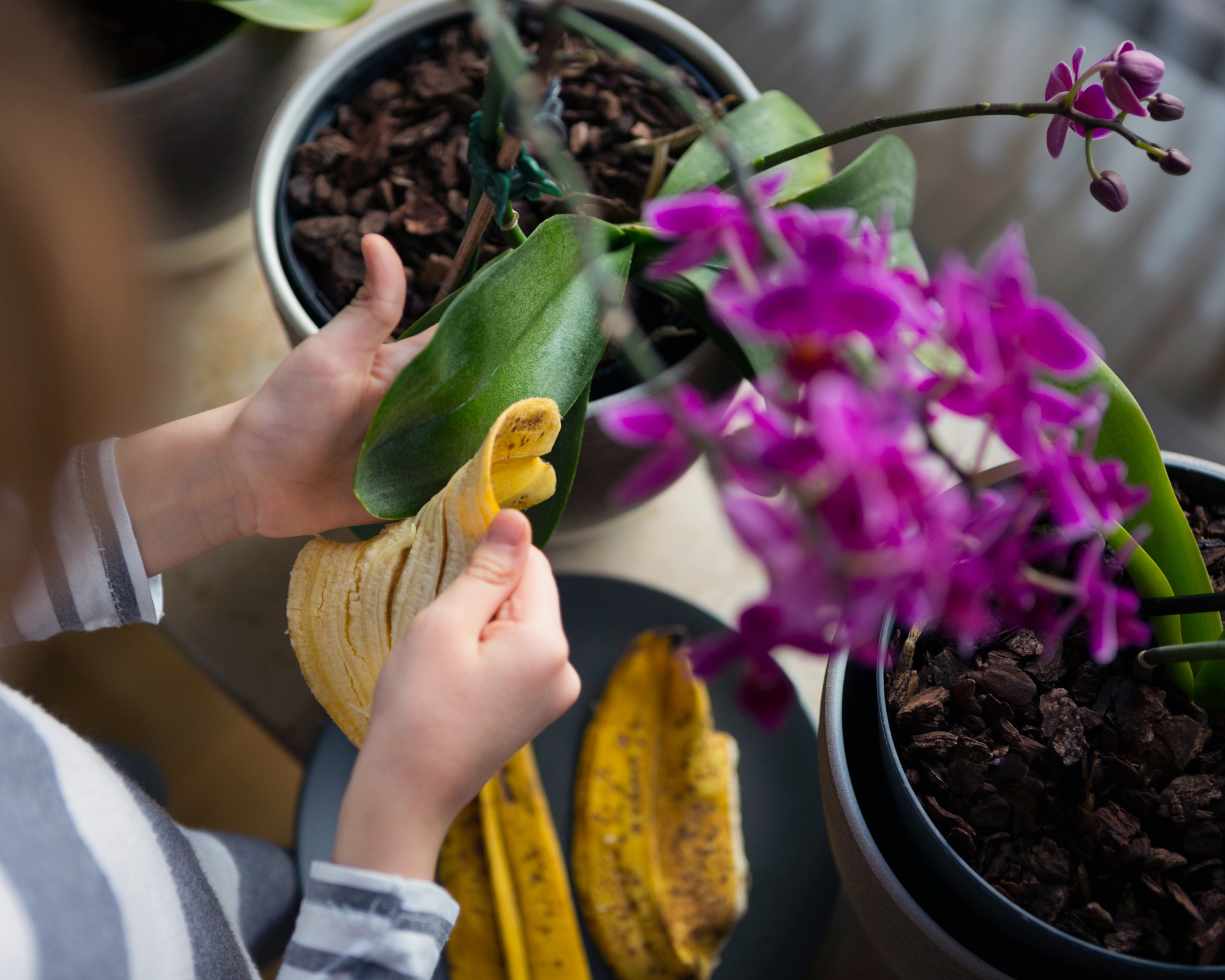
I’ve been seeing this hack everywhere – TikTok, Instagram, Pinterest, everywhere. People rubbing banana peels on their plant leaves claiming it makes them shiny AND feeds the plant at the same time.
Sounds perfect, right? Natural, free if you eat bananas anyway, and supposedly gives you those glossy leaves everyone wants.
But when you actually dig into what botanists and horticultural scientists say about this? It’s not just ineffective – it might actually be hurting your plants. And the claims about feeding nutrients through the leaves? That’s just not how plant biology works.
I went down this rabbit hole reading actual peer-reviewed studies (the boring kind, not blog posts), checking what university extensions say, and honestly getting kinda frustrated at how much misinformation is out there. So let’s break down what’s actually happening when you rub a banana peel on your fiddle leaf fig.
Why Clean Leaves Even Matter in the First Place
Before we get into the banana peel thing, it’s worth understanding why leaf cleaning matters at all. This isn’t just about aesthetics – it’s about your plant being able to breathe.
Your houseplants breathe through tiny pores called stomata. These microscopic openings cover the leaf surface and handle about 95% of all gas exchange in and out of the plant.[1] They let carbon dioxide in for photosynthesis and release oxygen and water vapor.
When dust, grime, or oily residue clogs these pores, your plant basically starts suffocating. Research on cotton plants found that heavy dust accumulation reduced photosynthesis rates significantly – affected plants only achieved about 74.51% of normal efficiency.[2] That’s a huge drop just from dusty leaves.
The implications are pretty straightforward: dusty plants are stressed plants. They photosynthesize less efficiently, can’t regulate temperature as well, and are more vulnerable to pests and disease.
So yes, cleaning your plant leaves does matter. The question is whether banana peels are actually a good way to do it.
What’s Actually Inside a Banana Peel
To understand why banana peels create that shine (and why that’s a problem), we need to look at what they’re made of.
Fresh banana peels are about 50-62% moisture.[3] But more importantly for the shiny leaf phenomenon, they contain between 7.5 and 13 percent oils.[3] These include palmitic acid (around 35%), alpha-linolenic acid (25%), and linoleic acid (22%). The peel also has cuticular waxes – the same protective coating plants naturally produce.
When you rub a banana peel on a leaf, you’re basically smearing these oils and waxes all over the surface. That’s what creates the glossy appearance – it’s a thin coating of fat that reflects light.
The shine is real, but it’s purely cosmetic. And that coating? That’s where problems start.
The other big claim is about potassium. Banana peels do contain potassium – around 78 milligrams per gram according to chemical analysis.[3] This has led to endless internet claims about banana peels as amazing fertilizer.
But here’s what actual nutrient testing shows: the NPK ratio of fresh banana peels is only about 0.1-0.1-2.3.[4] That’s way less impressive than social media makes it sound. And more importantly for our purposes, the idea that you can transfer meaningful nutrition by rubbing a peel on leaves isn’t backed by any research.
The Foliar Feeding Fantasy
This is where the banana peel advice runs into its biggest problem. The claim that your plants absorb potassium through their leaves when you wipe them with peels isn’t just unproven – it contradicts basic plant biology.
“The claim about transferring potassium through the leaves is a stretch,” notes horticulture expert Tyler Schuster. “Roots are the true gateway for plant nutrients.”[5]
Plants evolved to take up nutrients through their root systems. That’s where specialized structures and soil chemistry facilitate absorption. Leaves evolved for photosynthesis and gas exchange. Their waxy cuticle is specifically designed to keep substances out, not let them in.
While plants can absorb some things through leaves (foliar fertilizers work this way), the conditions required are quite specific. Simply smearing fruit residue on a leaf surface doesn’t meet those conditions.
The University of California Agriculture and Natural Resources has been pretty clear on banana peel fertilizer claims: “The amount of nitrogen needed to break down the peel will mean less nitrogen is available for greening plants.”[6] While that’s about burying peels in soil, it shows a broader truth – the nutrients in banana peels aren’t as readily available as the internet claims.
When Oils Become the Enemy
Here’s the most concerning part: the oils that create that attractive shine might actively harm your plants.
Multiple horticultural experts warn against anything that coats leaf surfaces with oils or waxes. Lorin Nielsen, horticulturist at Epic Gardening, specifically advises against most leaf shine products: “I don’t recommend most of the products marketed as ‘leaf shine’ for indoor plants, as these create a coating over the leaf’s surface that prevents transpiration.”[7]
The Sill, a well-respected plant retailer, echoes this specifically about stomata: “Plants breathe through their leaves through little pores called stomata, and many leaf shine products end up clogging these stomata with either oil or wax.”[8]
Banana peel oils aren’t fundamentally different from commercial leaf shine products in this regard. When you coat a leaf with natural oils – whether from bananas, coconut oil, or mayonnaise – you risk creating a barrier that interferes with gas exchange.
There’s even practical testing showing the problem. Apartment Therapy tested the banana peel method and found that while it “definitely took a dull leaf and made it shiny,” it also “left behind little gummy dust balls on the leaves.”[9] That sticky residue doesn’t just look bad – it can attract more dust and create conditions for pest or fungal problems.
This is particularly problematic for certain plant types. Monocots like philodendrons, monsteras, pothos, and peace lilies have stomata on both sides of their leaves, making them especially vulnerable to anything that coats leaf surfaces.
And plants with fuzzy or hairy leaves like African violets? Should never get moisture or oils on them at all – water trapped in those hairs promotes rot and fungal disease.[10]
What Actually Works for Cleaning Plant Leaves
If banana peels aren’t the answer, what is? The consensus among university extension services is surprisingly simple: lukewarm water and a soft cloth.
Ohio State University Extension recommends wiping leaves “with a soft cloth dipped in lukewarm water” while supporting each leaf from underneath.[11] Mississippi State University Extension suggests cleaning plants “every 2 to 3 months with a soft cloth moistened with warm water,” making sure to wipe both surfaces.[12]
For leaves that need more than water, a very diluted soap solution works safely. Ohio State recommends “about 1/4 teaspoon dish soap per 1 quart of lukewarm water.”[11] Spray it on, wipe gently, then rinse with plain water.
Temperature matters more than people realize. Both hot and cold water can damage leaf tissue. Always test the water temperature before applying – lukewarm or room temperature is ideal.
Different Plants Need Different Approaches
Large, smooth-leaved plants like monstera, rubber plants, and fiddle leaf figs respond best to the damp cloth method. Support each leaf from below and wipe from stem toward the tip.
Plants with many small leaves (ferns, pothos, parlor palms) are more efficiently cleaned with a shower rinse. Use lukewarm water at low pressure and let them drip dry completely.
Fuzzy-leaved plants like African violets need dry cleaning only. Use a soft, dry brush – never water on those leaves.
Succulents with farina (that powdery coating on echeverias) should barely be touched. The farina is protective and doesn’t regenerate once removed.
Common Mistakes That Actually Hurt Plants
Beyond the banana peel issue, several leaf-cleaning mistakes can stress your plants.
Using commercial leaf shine products tops most experts’ concern lists. While they create glossy leaves, they’re essentially the same problem as banana peel oils – a coating that can interfere with stomatal function. Missouri Botanical Garden says if you must use them, apply “with care and in moderation.”[13] Many professionals recommend avoiding them entirely.
Neglecting leaf undersides means missing where many pests hide and where stomata are often concentrated.
Cleaning at night isn’t ideal because plants shift their metabolic processes after dark. Daytime cleaning allows leaves to dry properly.
Being too rough can break or bruise leaves. Always support from underneath and use gentle pressure.
Using water that’s too cold or hot can shock tissue. Test first and aim for neutral to slightly warm.
The Verdict on Banana Peels
So where does this leave the banana peel hack? As Gardening Know How puts it: “Until some solid research rolls in, it’s more of a playful experiment to mess around with. Fun to give a go, but don’t count on banana peels as a sure bet.”[5]
It’s not likely to immediately harm most plants if done sparingly. The oils do create visible shine, and the physical wiping does remove some dust. But the nutritional claims are unsupported, and the potential for stomatal clogging makes this method objectively worse than simple water and cloth.
Your banana peels are better directed toward your compost bin, where they can break down properly and eventually contribute nutrients to soil. As UC Agriculture recommends, composting banana peels and using finished compost to top-dress plants is far more effective than direct application.[6]
For your plants’ health, stick with what experts actually recommend: lukewarm water, a soft cloth, and regular attention. Less Instagram-worthy than rubbing fruit on foliage, but it’s what actually helps plants thrive.
Sometimes the best plant care isn’t the most creative – it’s just consistent.
Why This Myth Won’t Die
I think the banana peel thing persists for a few reasons:
- It feels right – Bananas have nutrients, leaves need nutrients, so rubbing them together should work, right? Our intuition is wrong here but it sounds logical.
- The shine is visible – You can immediately see glossy leaves, which feels like success even though you just coated them in oil.
- Confirmation bias – If your plant looks okay after using banana peels, people assume it worked. They don’t compare to what would’ve happened with plain water.
- Social media amplification – Content about banana peels gets tons of engagement because it’s novel and surprising. Scientific articles about using a damp cloth don’t go viral.
- Zero-waste appeal – There’s something satisfying about repurposing kitchen scraps. I get it, I really do. But we can compost them instead.
The real problem is that once this stuff gets into the internet ecosystem, it keeps getting repeated. Someone writes “banana peels clean and feed your plants” without checking sources, it gets picked up by other sites, and suddenly it’s “common knowledge.”
What I’d Actually Do
If I noticed my plant leaves looking dusty and wanted to clean them, here’s my exact process:
Week 1:
- Wipe down all large-leaved plants with lukewarm water on a soft cloth
- Shower rinse smaller-leaved plants
- Check for any pest issues while I’m at it
Ongoing:
- Clean leaves whenever they look dusty (every 2-3 months usually)
- Always use plain lukewarm water
- Support leaves from underneath while wiping
- Let plants dry before evening
What I wouldn’t do:
- Rub banana peels on them
- Use commercial leaf shine
- Skip cleaning undersides
- Use cold water straight from the tap
- Clean at night
The banana peel thing isn’t going to kill your plant if you try it once. But it’s not doing what people claim, and it’s objectively worse than the simple, free alternative of water and cloth.
The Bigger Picture
This whole banana peel situation is kind of emblematic of a bigger issue with houseplant advice online. There’s so much content being created by people who haven’t actually researched the topic or consulted with actual botanists and horticulturists.
Articles get written based on other articles, which were based on Pinterest pins, which came from someone’s anecdote about what their grandmother did. Nobody checks if there’s actual science behind it.
Meanwhile, university extension services and botanical gardens have tons of free, research-backed information that nobody reads because it’s not packaged in a viral TikTok.
I’m not saying you need a botany degree to take care of plants. But when something sounds too good to be true (free fertilizer! Shiny leaves! All from banana peels!), it’s worth checking what actual experts say before you start coating your monstera in fruit residue.
Plant care doesn’t have to be complicated. Sometimes the best advice is the boring advice: water when dry, give adequate light, use well-draining soil, clean leaves with water occasionally. Not exciting, but it works.
Sources
[1] Faralli, M., et al. (2024). Stomata: custodians of leaf gaseous exchange. PMC – PubMed Central. https://pmc.ncbi.nlm.nih.gov/articles/PMC11565196/
[2] Yan, H., et al. (2021). Similar effects as shade tolerance induced by dust accumulation on cotton leaves. BMC Plant Biology. https://bmcplantbiol.biomedcentral.com/articles/10.1186/s12870-021-02926-6
[3] Vu, H.T., et al. (2022). Banana Peels: A Waste Treasure for Human Being. Evidence-Based Complementary and Alternative Medicine. https://pmc.ncbi.nlm.nih.gov/articles/PMC9122687/
[4] Pavlis, R. (n.d.). The Magical Power of Banana Peels in The Garden – Or Not. Garden Myths. https://www.gardenmyths.com/banana-peels-garden/
[5] Gardening Know How. (n.d.). Should You Use a Banana Peel to Clean Plant Leaves? https://www.gardeningknowhow.com/houseplants/should-you-use-a-banana-peel-to-clean-plant-leaves
[6] University of California Agriculture and Natural Resources. (n.d.). Garden Myth Explained. https://ucanr.edu/blogs/blogcore/postdetail.cfm?postnum=42910
[7] Nielsen, L. (n.d.). How to make indoor plant leaves shiny. Real Homes. https://www.realhomes.com/advice/how-to-make-indoor-plant-leaves-shiny
[8] The Stem. (n.d.). How to Clean Plant Leaves. https://thestem.co.uk/plant-academy/plant-blog/how-to-clean-plant-leaves
[9] Houseplant Resource Center. (2021). How to Clean and Shine Plant Leaves. https://houseplantresourcecenter.com/2021/10/how-to-clean-and-shine-plant-leaves/
[10] African Violet Resource Center. (n.d.). Everything You Need to Know About African Violet Leaves. https://africanvioletresourcecenter.com/everything-you-need-to-know-about-african-violet-leaves/
[11] Ohio State University Extension. (2018). Why You Should Clean the Leaves of Houseplants. https://u.osu.edu/knoxcountyag/2018/12/19/why-you-should-clean-the-leaves-of-houseplants/
[12] Mississippi State University Extension. (n.d.). Care & Selection of Indoor Plants. https://extension.msstate.edu/publications/care-selection-indoor-plants
[13] Missouri Botanical Garden. (n.d.). Indoor Plants or Houseplants. https://www.missouribotanicalgarden.org/Portals/0/Gardening/Gardening%20Help/Factsheets/Indoor%20Plants21.pdf
Additional research sources consulted:
Penn State Extension. Caring for Houseplants. https://extension.psu.edu/caring-for-houseplants
Clemson HGIC. Indoor Plants – Cleaning, Fertilizing, Containers & Light Requirements. https://hgic.clemson.edu/factsheet/indoor-plants-cleaning-fertilizing-containers-light-requirements/
Gardening Know How. Houseplant Cleaner: What To Use For Cleaning Houseplant Leaves. https://www.gardeningknowhow.com/houseplants/hpgen/how-to-clean-houseplants.htm