September Pollinator Care: 5 Things Most Gardeners Get Wrong
So here’s the thing about September. Most gardeners are already thinking about putting their gardens to bed, getting ready for fall cleanup, basically shutting everything down. But this is actually one of the most critical times for pollinators, and honestly? A lot of the stuff we think we should be doing is exactly wrong.
I used to be one of those people who’d go out in late summer and cut everything back to make the garden look “tidy” for fall. Felt productive, you know? Turns out I was basically destroying overwintering habitat for native bees and butterflies. Oops.
After actually reading the research on this stuff – like peer-reviewed studies, not just garden blog recycled advice – I completely changed how I handle my fall garden. And the difference in spring pollinator activity is honestly night and day.
This is gonna be long because there’s a lot to unpack here. But if you care about helping pollinators (and you should, because they’re in serious trouble), these five things really matter.
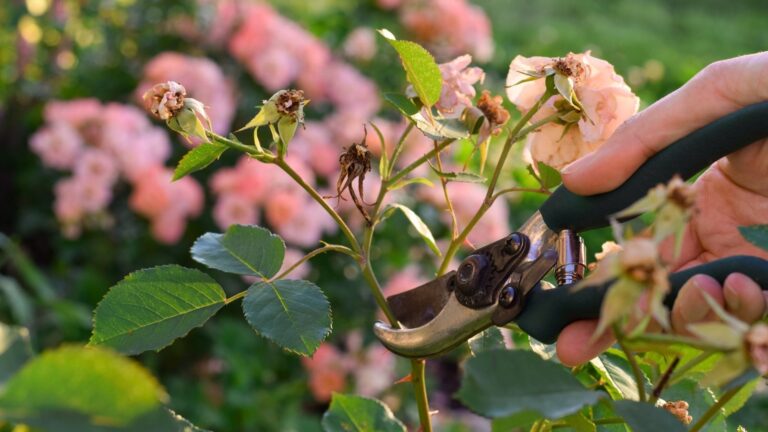
1. Put Down the Pruning Shears and Back Away Slowly
Okay so this is probably the hardest one for people to accept. We’re conditioned to think a good garden means everything’s cut back and cleaned up. But here’s what scientists have found: about 30% of native bees nest in hollow or pithy plant stems.[1] Not in the ground, not in your bee hotel – in the stems you’re cutting down.
The Xerces Society (they’re basically the go-to authority on pollinator conservation) explains it like this: cavity-nesting bees lay their eggs in hollow stems or excavate chambers in pithy stems. The larvae develop there through winter, and adults emerge in spring.[1] When you cut those stems down in fall, you’re destroying next year’s bee population before it even gets started.
Which Bugs Actually Use These Stems?
Research from NC State found about 100 species of native bees in North Carolina alone nest in stems and wood.[2] That’s not counting beneficial wasps like:
- Mason bees – seal with mud
- Leafcutter bees – line with cut leaf pieces
- Small carpenter bees – 300 species globally that excavate pithy stems
- Grass-carrying wasps – use hollow stems
- Various parasitic wasps that control garden pests
Penn State Extension tested this and found that stem-nesting wasps specifically create nests in dry stems from the previous growing season.[3] If you cut them down in fall, there’s nothing for them to nest in come spring.
What Actually Matters for Stem Habitat
Not all stems are created equal. University of Minnesota Bee Lab and Xerces Society both recommend keeping stems at varied heights between 8-24 inches.[4] Different bee species prefer different diameters from 1/8 to 5/16 inch.
Best plants for hollow stems:
- Anise hyssop
- Milkweed (any species)
- Joe-pye weed
- Bee balm
- Cup plant
Best for pithy stems (small carpenter bees love these):
- Raspberry and brambles
- Purple coneflower
- Elderberry
- Goldenrod
The timing thing is critical too. Penn State says wait until apple trees are blooming (late April) before cutting anything back.[3] University of Illinois is even more specific – don’t clear plant material until temps are consistently above 50°F overnight.[5]
But here’s the kicker: UMN Bee Lab says stems should ideally stay for 18 months. Not just through winter, but through the following summer too.[4] Most insects don’t emerge until the second spring after eggs were laid.
If You Absolutely Must Cut Things Back
I get it, some people have HOAs or just can’t stand the mess. If you have to cut back perennials, at least create “habitat piles” with the stems.
Stack them horizontally with bases facing out, lean them against a fence or tree, make a loose pile in a corner somewhere. Research shows this works almost as well as leaving stems standing.[3] The key is keeping stems at least 8 inches long and not shredding them.
2. Plant Fall-Blooming Natives Like Your Local Bees Depend On It (Because They Do)
September through October is when things get desperate for pollinators. Most summer flowers are done, but insects still need fuel before winter. And some species need specific plants or they literally can’t reproduce.
The Fat Body Thing
This is fascinating biology that most gardeners don’t know about. Bees produced in late season develop enlarged “fat bodies” in their abdomen that store nutrients for winter survival.[6] These fat bodies produce vitellogenin, a protein that enhances immune systems and extends lifespan. Winter bees can live 5-6 months compared to 6 weeks for summer bees.
For bumble bees specifically, queens need to accumulate massive lipid reserves during a narrow pre-hibernation window in September and October.[7] Research from 2019 found that nutrition during this period literally determines whether queens survive winter or not.[7] No fall flowers = dead queens = no bumble bees next year.
Native Asters Are Specialist Bee Magnet
So there are 33 specialist bee species in the Eastern US that feed only on asters (Symphyotrichum species).[8] These are oligolectic bees – they cannot use any other pollen source. If native asters aren’t blooming in fall, these bees can’t reproduce. Period.
Penn State did pollinator trials comparing straight native species vs. cultivars. Native New England aster (S. novae-angliae) had THREE TIMES more pollinator visits than the cultivar ‘Purple Dome’.[9] Cultivars often have less nectar, altered flower structure, or are sterile. Native plants just work better.
Goldenrod Gets a Bad Rap
People avoid goldenrod thinking it causes allergies. This is completely wrong and needs to die as a myth. Multiple university extension services confirm: goldenrod does NOT cause hay fever.[10] The confusion happens because ragweed blooms at the same time. Ragweed is wind-pollinated with tiny airborne pollen. Goldenrod is insect-pollinated with heavy sticky pollen that doesn’t go airborne.
Meanwhile, 40 specialist bee species in the Eastern US depend specifically on goldenrod pollen.[8] Colletes solidaginis (Goldenrod Cellophane Bee) feeds exclusively on goldenrod. Maryland DNR points out several oligoleges cannot reproduce without goldenrod.[11]
What to Actually Plant in September
You can still plant stuff now that will bloom this fall and help next year. Here’s what I’d focus on:
| Plant | Bloom Time | Why It Matters |
|---|---|---|
| New England aster | Aug-Oct | 33 specialist bee species |
| Aromatic aster | Sept-Nov | Extended late bloom |
| Showy goldenrod | Aug-Oct | 40 specialist bees |
| Sneezeweed | Aug-Oct | Specialist associations |
| Joe Pye weed | Aug-Sept | Major butterfly nectar |
| Mountain mint | Aug-Sept | “Pollinator magnet” (Penn State) |
| Blue lobelia | Aug-Sept | Hummingbirds, late bees |
| Boneset | July-Oct | Diverse pollinator support |
Research from Oregon State in 2024 found that when comparing native plants to their cultivars, pollinators favored wild versions 37% of the time, but cultivars were only preferred 8% of the time.[12] Specialist bees collected much more often on straight native species.
Space plants 12-18 inches apart, water them in well, and they’ll establish before frost. Next year they’ll bloom even better.
3. Leave Those Damn Leaves Alone
This is probably the most controversial thing I’m gonna say but the science is really clear: removing leaves from garden beds in fall kills overwintering insects. Like a lot of them.
The University of Maryland Study Everyone Should Know
In 2024/2025, researchers at University of Maryland did a two-year study comparing yards where leaves were left vs. removed.[13] They used emergence traps (basically tents that catch whatever insects emerge from the ground and leaf litter in spring).
Results:
- Overall arthropod emergence: 17% reduction when leaves removed
- Moths and butterflies: 45% reduction in abundance, 40% reduction in species
- Spiders: up to 67% reduction
- Beetles: 24% reduction
They collected approximately 18,000 insects per square meter from retained leaf areas.[13] That’s 18,000 beneficial insects per square meter that wouldn’t have survived if leaves were removed.
The kicker? They also found 24% reduction in soil carbon in long-term leaf removal areas.[14] You’re not just killing bugs, you’re depleting soil health.
Which Insects Need Leaf Litter
Bumble bee queens – burrow 1-2 inches into earth beneath leaf litter, producing antifreeze-like compounds. They emerge mid-April to mid-May.[15]
Luna moths – caterpillars spin papery cocoons among leaf litter. The cocoons look like dried leaves (camouflage).[16]
Swallowtail butterflies – overwinter as brown chrysalises attached to dead plant material.[16]
Fireflies – this is huge because fireflies spend 95% of their lives (1-3 years) as larvae in leaf litter and soil before becoming adults.[17] Different species overwinter as eggs, larvae, or pupae in leaves. No leaf litter = no fireflies.
Red-banded hairstreaks – lay eggs specifically on fallen oak leaves, and caterpillars eat decomposing leaves as first food.[18]
The Shredding Problem
Here’s something critical that the research found: shredding or mulching leaves causes as much damage as removing them entirely.[13] Because insects are already in the leaves when they fall. Mulching them up with a mower kills whatever’s inside.
The Xerces Society recommends 2-3 inches of whole leaf depth, mimicking natural forest floor ecosystems.[18] National Wildlife Federation says 3-5 inches max – no more than 6 inches or you block air circulation.[19]
Where to Actually Leave Leaves
You don’t have to leave them everywhere. Strategic placement works:
- Garden beds (natural mulch that improves soil)
- Around tree bases
- Under shrubs and established plants
- Designated “wild zones”
- Moved from lawn to beds
The lawn concern is legit – thick leaf layers will smother grass. But Xerces Society points out a thin layer is actually healthy for lawns.[18] Solution: rake leaves from lawn to garden beds. Problem solved.
4. Give Pollinators Something to Drink (They Get Thirsty in Fall Too)
Most people think pollinator water stations are a summer thing. But insects need water in fall just as much, maybe more since natural sources are drying up.
The Science of Why Bees Need Water
Cornell Extension breaks down the reasons pollinators need water: hydrating, cleansing, temperature regulation, and reproduction.[20]
Mason bees specifically need water to make mud for nest construction. Cornell recommends a “puddling dish” with fine sand in a sunny area so mason bees can mix the perfect mud consistency.[20]
Butterflies do this behavior called “puddling” where males gather minerals from muddy spots to transfer to females during mating. Research in 2024 found sodium and nitrogen are primary attractants – sodium appears to be the main driver of puddling behavior.[21]
What Actually Works for Pollinator Water
Based on extension service and Xerces Society recommendations:[20]
Basic setup:
- Shallow dish or tray
- Rocks, pebbles, corks, or sticks for landing spots (bees can’t swim)
- Clean water – refill every 2-3 days to prevent mosquitoes
- Add fine sand for mason bees
For butterfly puddling stations:
- Shallow dish with dirt/soil mixed in
- Keep it muddy
- Sprinkle a tiny bit of salt occasionally
What doesn’t work:
- Deep water with vertical sides – drowns insects
- Bird baths without landing spots
- Dirty stagnant water
Keep water sources in partial shade if possible. Full sun means constant evaporation and hot water that insects avoid.
5. For the Love of God, Don’t Plant Tropical Milkweed
If you’ve heard one thing about helping monarchs, it’s probably “plant milkweed.” And that’s correct! Except when it’s not. Because tropical milkweed (Asclepias curassavica) – the bright orange and yellow one sold everywhere – is actually a major problem.
The OE Parasite Situation
Okay so monarchs have this parasite called Ophryocystis elektroscirrha (OE for short). It’s a protozoan that infects monarchs and causes reduced survival, impaired flight, reduced body mass, and wing deformities.[22]
Here’s where tropical milkweed comes in. Native milkweeds die back seasonally, and when the plant dies, OE spores die with it. This resets the parasite load every year.[23] But tropical milkweed is evergreen in warm climates. It stays green through winter, allowing continuous breeding and accumulation of OE spores over multiple generations.
Research published in Proceedings of the Royal Society B in 2015 found non-migratory monarchs (breeding on year-round milkweed) were up to FIVE TIMES more likely to be infected with OE compared to migratory populations.[24] In some winter breeding sites, 100% of monarchs were infected.
A more recent study from 2022 found Eastern North American infection prevalence has increased threefold since the mid-2000s, likely due to increased tropical milkweed planting.[25] They estimate tens of millions fewer monarchs reach Mexico because of OE.
The Migration Disruption Problem
Migration benefits monarchs through two mechanisms:[26]
- Migratory escape – Monarchs leave contaminated breeding habitats and return to fresh milkweed in spring
- Migratory culling – The journey eliminates heavily infected individuals who can’t complete it
Research tracking monarchs found parasite prevalence declined as they progressed southward, consistent with migratory culling.[26]
But when monarchs encounter tropical milkweed that’s still green in fall/winter, they stop migrating and breed instead. This disrupts both disease-reducing mechanisms.
The Reproductive Timing Issue
A 2019 study in the journal Insects found monarchs exposed to tropical milkweed as larvae were more likely to emerge as reproductively active adults rather than entering migratory diapause.[27] Wild-caught fall migrants exposed to tropical milkweed showed greater egg development than those on native milkweed.
Other documented effects:
- Paler orange pigment (poor migration potential)
- Less elongated wings
- Higher metabolic rates (not conducive for long flight)
The Climate Change Complication
Get this: research in Ecology in 2018 found that under warmer temperatures, tropical milkweed produces up to 13 TIMES higher cardenolide (toxic compound) concentrations.[28] Native swamp milkweed didn’t show the same increase. This creates an “ecological trap” – monarchs preferentially lay eggs on tropical milkweed, but rising temps make it toxic to caterpillars.
What to Plant Instead
Over 100 species of milkweed are native to North America. By region:
Eastern US:
- Common milkweed (A. syriaca)
- Swamp milkweed (A. incarnata)
- Butterfly weed (A. tuberosa)
Southern US:
- Aquatic milkweed (A. perennis)
- Fewflower milkweed (A. lanceolata)
- White milkweed (A. variegata)
Texas/South Central:
- Green antelope horn (A. viridis)
- Antelope horn (A. asperula)
- Zizotes milkweed (A. oenotheroides)
California/West:
- Narrowleaf milkweed (A. fascicularis)
- Showy milkweed (A. speciosa)
- Desert milkweed (A. erosa)
If you already have tropical milkweed, Monarch Joint Venture recommends cutting it back to within 6 inches of the ground from October through February.[23] Or better yet, replace it with native species.
Why This All Actually Matters Right Now
Pollinator populations are crashing. Like seriously crashing in ways that should scare everyone.
The Numbers Are Bad
A 2024 assessment found 22.6% of 1,579 pollinator species are at elevated extinction risk.[29] For bees specifically, 34.7% are at risk. Leafcutter bees (Megachilidae) – those cavity-nesting species using hollow stems – are 45.7% at risk.[29]
North American native bees declined 23% between 2008 and 2013.[30] That’s just five years.
Bumble bees: at least 28% of North American species have undergone significant declines.[31] The rusty patched bumble bee (Bombus affinis) is critically endangered with a 92.54% decline in abundance and disappeared from 87% of its historic range.[32]
Monarchs: The 2023-2024 winter count showed 0.90 hectares occupied in Mexico – a 59.3% decline from the previous year and the second-smallest area on record.[33] In December 2024, USFWS recommended monarchs be designated as threatened under the Endangered Species Act.[34]
IPBES Pollinator Assessment from 2016 found 16% of vertebrate pollinators threatened globally, and often more than 40% of invertebrate species threatened locally.[35]
Why Fall Support Specifically Matters
Remember those fat bodies in bees? Penn State research emphasizes “the imperative for queens to accumulate nutrients prior to entering diapause within a narrow time window.”[7] Around half of queen bees die over winter, relying entirely on fat reserves accumulated in September-October.[36]
Cornell Extension points out ground-nesting bees and insects in leaf litter “are the earliest to emerge in spring and are vital pollinators of many early-blossoming fruit trees.”[20] If we kill them in fall, we lose early spring pollination too.
It’s all connected. Fall support determines spring populations, which determines summer reproduction, which determines next fall’s population. Break the cycle anywhere and you compound problems year after year.
What I Actually Do in My September Garden
Real talk about my routine, not ideal scenario:
Week 1-2 of September:
- Stop deadheading late-blooming perennials so they go to seed
- Plant any fall bloomers I picked up from sales
- Make note of where stems are that I’m leaving standing
- Check plants for pest issues before insects move in for winter
Week 3-4:
- Set up shallow water sources near pollinator plants
- Add pebbles and refresh water every few days
- If I have tropical milkweed (which I don’t anymore), cut it to 6 inches
Late September through October:
- Watch leaves accumulate, resist urge to clean up
- Rake leaves from lawn to garden beds
- Leave stems standing at varied heights 8-24 inches
- Mark areas so I remember in spring not to cut them yet
What I don’t do:
- Fall “garden cleanup” – this concept needs to die
- Mulch leaves with the mower
- Cut back perennials
- Remove all leaves because the neighbors might judge
- Plant any more tropical milkweed even though it’s pretty
Spring (following April/May):
- Wait until apple trees bloom before cutting back any stems
- Check weather for consistent 50°F+ nights before clearing
- Save cut stems in habitat piles
- Refresh water sources as activity picks up
The Biggest Mindset Shift
The hardest thing for most gardeners is letting go of the “tidy garden” aesthetic. We’re culturally conditioned to think messy = bad. But ecological function doesn’t care about aesthetics.
A garden optimized for pollinators looks a little wild in fall and winter. Stems standing at random heights, leaves on beds, maybe some flowers going to seed, water dishes that need refilling. It’s not Better Homes & Gardens material.
But in spring when you see mason bees emerging from stems, butterflies sipping from water dishes, early bees foraging on asters that seeded themselves, moths and fireflies glowing in summer because they survived winter in your leaf litter – that’s when you get it.
You’re not maintaining a showpiece. You’re maintaining habitat. And habitat is messy by definition.
The research backs this up. Study after study shows the same things: stem-nesting bees need stems left standing, fall-blooming native plants support critical pre-winter nutrition, leaf litter is essential for overwintering insects, tropical milkweed disrupts monarch migration. This isn’t opinion or garden folklore. It’s documented science.
September isn’t when your gardening season ends. It’s when you make or break next year’s pollinator populations. The choices you make now – leaving stems, planting natives, keeping leaves, skipping tropical milkweed, providing water – determine whether struggling species survive in your area.
Most of it is actually doing less, not more. Stop cutting, stop cleaning, stop tidying. Let your garden be what pollinators need, not what HGTV says it should look like. That’s the real work.
Sources
[1] Xerces Society (2022). “How to Create Habitat for Stem-Nesting Bees.” Publication 22-005. https://xerces.org/pollinator-conservation/nesting-resources and https://xerces.org/sites/default/files/publications/22-005_01_web-press.pdf
[2] Roos, Debbie (2025). “Provide Nesting Habitat for Native Bees Through Plant Stems in Your Garden.” NC State Extension. https://grow.ces.ncsu.edu/2025/02/provide-nesting-habitat-for-native-bees-through-plant-stems-in-your-garden/
[3] Penn State Extension (2023). “Delay Garden Cleanup to Benefit Overwintering Insects.” https://extension.psu.edu/delay-garden-cleanup-to-benefit-overwintering-insects
[4] University of Minnesota Bee Lab. “Create Nesting Habitat.” https://beelab.umn.edu/create-nesting-habitat
[5] University of Illinois Extension (2022). “Delay spring garden cleanup, encourage native insects.” https://extension.illinois.edu/blogs/flowers-fruits-and-frass/2022-03-18-delay-spring-garden-cleanup-encourage-native-insects
[6] Bee Culture (2020). “Winter Bees: Staying Youthful with Fat Bodies.” https://beeculture.com/winter-bees-staying-youthful-with-fat-bodies/
[7] Woodard, S.H., et al. (2019). “Diet and nutritional status during early adult life have immediate and persistent effects on queen bumble bees.” Conservation Physiology 7(1):coz048. https://doi.org/10.1093/conphys/coz048
[8] Fowler, Jarrod and Sam Droege (2020). “Pollen Specialist Bees of the Eastern United States.” https://jarrodfowler.com/specialist_bees.html
[9] Penn State Center for Pollinator Research. “Provide Food Sources: Landscaping for Pollinators.” https://pollinators.psu.edu/landscaping-for-pollinators/
[10] Penn State Extension. “Goldenrod.” https://extension.psu.edu/goldenrod
[11] Maryland Department of Natural Resources (2017). Native pollinator documentation. https://dnr.maryland.gov/wildlife/Pages/plants_wildlife/pollinators.aspx
[12] Hayes, K.N., et al. (2024). “Cultivar origin and ploidy affect pollinator preferences and visits in Lavandula.” Environmental Entomology, Oregon State University. https://doi.org/10.1093/ee/nvae056
[13] Ferlauto, Max and Karin T. Burghardt (2024). “Removing autumn leaves in residential yards reduces the spring emergence of overwintering insects.” Science of the Total Environment. DOI: 10.6084/m9.figshare.26999467 https://www.sciencedirect.com/science/article/pii/S0048969725004565
[14] Laidback Gardener (2024). “The Impact of Leaf Removal on Soil and Wildlife.” https://laidbackgardener.blog/2024/11/17/the-impact-of-leaf-removal-on-soil-and-wildlife
[15] Xerces Society. “Five Ways to Support Queen Bumble Bees this Spring.” https://xerces.org/blog/five-ways-to-support-queen-bumble-bees-this-spring
[16] Clemson University HGIC (Home & Garden Information Center). “Beneficial Insects in the Garden.” https://hgic.clemson.edu/factsheet/beneficial-insects-in-the-garden/
[17] National Wildlife Federation (2024). “Leave the Leaves to Save Fireflies!” https://blog.nwf.org/2024/09/leave-the-leaves-to-save-fireflies/
[18] Xerces Society. “Leave the Leaves: Winter Habitat Protection.” https://xerces.org/leave-the-leaves and https://xerces.org/bug-banter/leave-leaves-or-lose-insects
[19] National Wildlife Federation. “Leave the Leaves.” https://www.nwf.org/Leavetheleaves
[20] Cornell Cooperative Extension Monroe County (2021). “Water and Shelter for Pollinators.” https://monroe.cce.cornell.edu/master-gardeners/pollinator-friendly-gardens/water-and-shelter-for-pollinators
[21] Adirondack Almanack (2010). “Butterfly Behavior: What is Puddling?” https://www.adirondackalmanack.com/2010/05/butterfly-behavior-what-is-puddling.html
[22] Wikipedia. “Ophryocystis elektroscirrha.” https://en.wikipedia.org/wiki/Ophryocystis_elektroscirrha
[23] Monarch Joint Venture. “Tropical Milkweed.” https://monarchjointventure.org/mjvprograms/partnership/projects/assessment-of-exotic-milkweeds-and-the-spread-of-disease-in-monarchs and Xerces Society (2018). “Tropical Milkweed—a No-Grow.” https://xerces.org/blog/tropical-milkweed-a-no-grow
[24] Satterfield, D.A., J.C. Maerz, and S. Altizer (2015). “Loss of migratory behaviour increases infection risk for a butterfly host.” Proceedings of the Royal Society B 282:20141734. https://doi.org/10.1098/rspb.2014.1734
[25] Majewska, A.A., Davis, A.K., Altizer, S., and de Roode, J.C. (2022). “Parasite dynamics in North American monarchs predicted by host density and seasonal migratory culling.” Journal of Animal Ecology 91(6):1365-2656. https://doi.org/10.1111/1365-2656.13678
[26] Bartel, R.A., Oberhauser, K.S., de Roode, J.C., and Altizer, S. (2011). “Monarch butterfly migration and parasite transmission in eastern North America.” Ecology 92(2):342-351. https://doi.org/10.1890/10-0489.1
[27] Majewska, A.A., and S. Altizer (2019). “Exposure to Non-Native Tropical Milkweed Promotes Reproductive Development in Migratory Monarch Butterflies.” Insects 10(8):253. https://doi.org/10.3390/insects10080253
[28] Faldyn, M.J., Hunter, M.D., and Elderd, B.D. (2018). “Climate change and an invasive, tropical milkweed: an ecological trap for monarch butterflies.” Ecology 99(5):1031-1038. https://doi.org/10.1002/ecy.2198
[29] NatureServe/PNAS (2024). “Nearly one in four native US pollinators at elevated extinction risk.” https://www.pnas.org/doi/10.1073/pnas.2320702121
[30] USDA National Institute of Food and Agriculture (2016). “Wild bees study.” https://www.nifa.usda.gov/about-nifa/press-releases/wild-bees-declining-areas-with-heavy-pesticide-use
[31] Xerces Society. “Bumble Bee Conservation.” https://www.xerces.org/endangered-species/bumble-bees
[32] U.S. Fish & Wildlife Service (2017). “Rusty Patched Bumble Bee (Bombus affinis).” https://www.fws.gov/species/rusty-patched-bumble-bee-bombus-affinis and IUCN Red List. https://www.iucnredlist.org/species/21215142/219969328
[33] WWF-Mexico and CONANP (2024). “Monarch butterfly winter count 2023-2024 season.” https://arboretum.wisc.edu/news/arboretum-news/monarch-winter-2024-25-population-numbers-released/
[34] U.S. Fish & Wildlife Service (December 2024). “Monarch butterfly recommended for listing under Endangered Species Act.” https://www.fws.gov/press-release/2024-12/monarch-butterfly-recommended-listing-under-endangered-species-act
[35] IPBES (2016). “The assessment report on pollinators, pollination and food production.” https://www.ipbes.net/assessment-reports/pollinators
[36] Wildlife Trusts UK. “How to help bumblebees.” https://www.wildlifetrusts.org/actions/how-help-bumblebees
Additional Research Sources:
- Xerces Society for Invertebrate Conservation: https://xerces.org
- Monarch Watch, University of Kansas: https://monarchwatch.org
- National Wildlife Federation Native Plant Finder: https://www.nwf.org/nativeplantfinder
- Penn State Center for Pollinator Research: https://pollinators.psu.edu
- University of Minnesota Bee Lab: https://beelab.umn.edu
- Mt. Cuba Center native plant trials: https://mtcubacenter.org
- Lady Bird Johnson Wildflower Center: https://www.wildflower.org
- USGS Native Bee Inventory and Monitoring Lab: https://www.usgs.gov/centers/eesc/science/native-bees